Dehydration in Senior Horses
Why older horses drink too little, how to spot dehydration with the skin tent test, the impaction colic link, and how electrolytes, salt, and warm water keep seniors hydrated.
Water is the most overlooked nutrient in a senior horse's diet, and a quiet shortfall can cause real trouble. Older horses tend to drink less than they should, whether from a blunted sense of thirst, sore teeth, stiffness that makes the walk to the trough a chore, or simply cold winter water they would rather avoid. Over days, that gentle deficit can tip into dehydration and, worse, into impaction colic.
The good news is that dehydration in an aging horse is largely preventable with attentive, practical management. This guide explains why seniors are at risk, how to recognize the warning signs, the important link to colic, and the everyday tools, from warm water to loose salt to soaked feeds, that keep an older horse well hydrated. It is educational information to use alongside your equine veterinarian's guidance, not in place of it.
Hydration Support for the Senior Horse

Farnam Farnam Apple Elite Electrolyte Powder
Replaces minerals lost in sweat and encourages a senior to drink

Eagle Equine MagnaLyte Loose Salt and Electrolytes
Loose sea salt and trace minerals to drive healthy thirst
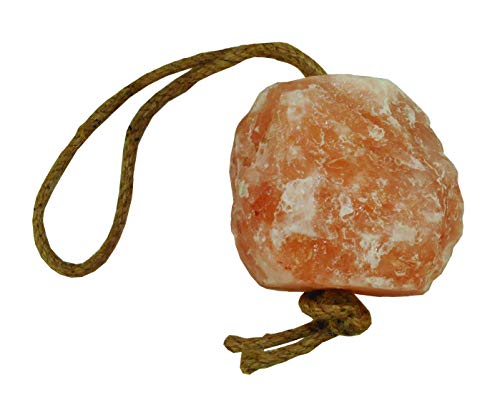
Horsemen's Pride Horsemen's Pride Himalayan Salt Block
Salt lick on a rope for free-choice salt and steady drinking

Farm Innovators Farm Innovators Heated Flat-Back Bucket
Thermostat bucket keeps winter water unfrozen and tempting
A quick reminder before you shop: always offer free access to clean water whenever you feed salt or electrolytes. Salt drives thirst, but concentrated electrolytes without enough water to balance them can make dehydration worse rather than better.
Why Senior Horses Drink Too Little
Dehydration in older horses rarely comes from one dramatic cause. Instead, several smaller factors stack up until intake falls short of need.
A Blunted Thirst Response
Research suggests aging can dull the thirst mechanism, so an older horse may not feel as strongly driven to drink even when its body needs water. Without that internal nudge, a senior can drift into a mild deficit without ever looking obviously thirsty.
Dental Pain
Worn, loose, or missing teeth and conditions like EOTRH can make drinking cold water genuinely uncomfortable. A horse with sensitive teeth may take only a few sips when the water is icy. Regular dental care from your vet, along with warmed water, removes a hidden barrier to drinking.
Mobility, Weather, and Routine
Arthritis and stiffness can make the trip to a distant trough feel like work, and a timid senior low in the herd may be pushed off shared water. Cold weather suppresses drinking across the board, while summer heat and sweat increase losses just as appetite for warm-day water may dip. Each factor on its own is minor, but together they add up.
Recognizing Dehydration
Catching dehydration early lets you correct it before it becomes an emergency. Learn these simple checks and use them whenever your senior seems off.
- Skin tent test: pinch and release a fold of skin on the neck or shoulder. It should snap back instantly; lingering tenting signals dehydration.
- Tacky gums: healthy gums feel moist and slick. Dry or sticky gums are a warning.
- Capillary refill: press the gum, release, and color should return within two seconds.
- Sunken eyes and a dull, withdrawn expression.
- Reduced gut sounds and firm, dry manure.
- Dark, scant urine rather than pale and plentiful.
Any of these signs, especially in combination or alongside dullness or signs of colic, warrants a call to your vet. Use our guide on when to call the vet for a senior horse to judge urgency.
The Impaction Colic Link
The most serious danger of dehydration is impaction colic. When water intake falls short, the contents of the gut dry out and forage can compact into a firm blockage, usually in the large colon. Senior horses are at particular risk because they eat more dry hay than fresh grass, often chew less efficiently, and tend to drink less in cold weather, exactly the conditions that set up an impaction. This is why winter, when buckets freeze and horses cut back on icy water, is a notorious season for colic. Keeping water intake steady is one of the most powerful things you can do to protect your older horse. Read more in our guide to colic in senior horses.
| Strategy | How It Helps Hydration |
|---|---|
| Warm water in winter | Horses drink more when water is not icy or frozen |
| Free-choice salt | Drives natural thirst and steady drinking |
| Soaked feeds and mashes | Adds water directly through the diet |
| Electrolytes in heat or work | Replaces minerals lost in sweat |
| Multiple clean water sources | Helps stiff or timid seniors drink more often |
| Regular dental care | Removes mouth pain that limits drinking |
Keeping a Senior Horse Hydrated
Warm the Water in Cold Weather
Warming water to a comfortable temperature is one of the most reliable ways to boost winter intake, and it especially helps seniors with sensitive teeth. Heated buckets and trough heaters keep water from freezing and at a tempting temperature. Make sure any electrical equipment is in good repair and safely grounded, since stray voltage can make a horse refuse to drink.
Provide Salt Year-Round
Salt is the engine of thirst. Offer free-choice salt through a loose mineral or a salt block, and many owners also add roughly one to two ounces of plain salt to the daily feed for an average horse, adjusted to your vet's advice. Loose salt is often easier for older horses to consume than a hard block they must lick.
Add Water Through Feed
Soaking is a senior owner's best friend. Soaked hay pellets, beet pulp, and senior mashes carry significant water into a poor drinker while being gentle on worn teeth. A warm, soupy mash on a cold evening both hydrates and tempts a fussy horse. You can also add a splash of water to regular feeds to nudge intake upward.
Monitor and Make Water Inviting
Keep water clean, fresh, and available in more than one spot so a stiff or low-ranking senior never has to choose between comfort and a drink. Get to know how much your horse normally drinks so you notice a drop early, and scrub buckets and troughs regularly, since horses turn away from stale or fouled water.
A Simple Daily Habit
Hydration is won in small, consistent steps rather than grand gestures. Offer warm water in winter, keep salt in front of your horse, soak feeds for added moisture, and watch the manure and water level each day for early clues. These quiet habits protect your senior from one of the most common and most preventable threats of old age, and they go a long way toward keeping colic at bay. When the skin tent lingers or your horse seems dull and off its water, do not wait: a prompt call to your equine vet is always the safest choice.
Related Senior Horse Health Guides
- Colic in Senior Horses - The impaction risk dehydration can trigger.
- Choke in Senior Horses - Another feeding-related emergency in older horses.
- When to Call the Vet for a Senior Horse - Judging what is urgent.
- Common Health Problems in Senior Horses - An overview of aging-horse conditions.
- Best Electrolyte Powder for Horses - Sugar-free picks that encourage drinking.
Frequently Asked Questions
Why are senior horses more prone to dehydration?
Older horses often drink less than they need for several reasons. Age can blunt the thirst response, so they simply do not feel as driven to drink. Dental pain from worn or missing teeth and EOTRH can make drinking cold water uncomfortable. Reduced mobility, herd dynamics, and arthritis may keep a stiff senior from walking to the trough. Add winter cold that suppresses drinking and summer sweat losses, and an aging horse can slip into dehydration quietly, which raises the risk of impaction colic.
How do I check if my horse is dehydrated?
Use the skin tent test: pinch a fold of skin on the neck or shoulder and release it. In a hydrated horse it snaps back instantly, while in a dehydrated one it stays tented for a second or more. Also check the gums, which should feel moist, not tacky or dry, with a capillary refill under two seconds. Sunken eyes, reduced gut sounds, dark urine, and dry manure are further clues. Several signs together, or any with dullness, mean call your vet.
How much water does a horse need each day?
An average adult horse drinks roughly 5 to 10 gallons of water a day at rest, and considerably more in heat, during work, or when eating dry hay rather than grass. Lactating mares and hard-working horses can need much more. Seniors on mostly hay diets need ample water to move that dry forage through the gut. The exact amount varies with size, diet, weather, and activity, so the goal is steady access to clean, palatable water and a horse that is actually drinking it.
Why does dehydration cause colic in older horses?
Dehydration is a leading trigger of impaction colic. When a horse does not take in enough water, the gut contents dry out and forage can pack into a firm blockage, most often in the large colon. Senior horses are especially vulnerable because they eat more dry hay, may chew poorly, and often drink less in winter. Keeping water intake up, offering warm water in cold weather, and adding moisture through soaked feeds are key ways to lower this risk. See our colic guide for more.
Should I warm my horse's water in winter?
Yes, warming water in cold weather is one of the most effective ways to keep a senior drinking. Studies and barn experience show horses often drink more when water is warmed to a comfortable temperature rather than icy or frozen. Seniors with sensitive teeth especially appreciate it. Heated buckets or trough heaters keep water from freezing and at a tempting temperature. Always make sure electrical equipment is in good repair and safely installed to avoid stray voltage that can put a horse off drinking.
How do electrolytes and salt help with hydration?
Salt drives the thirst that keeps a horse drinking. Most horses benefit from constant access to plain salt through a loose mineral or salt block, plus around one to two ounces of added salt daily for an average horse, adjusted by your vet. Electrolyte supplements replace sodium, potassium, calcium, and magnesium lost in sweat and are useful in heat, heavy work, or recovery. Always provide free water whenever you feed electrolytes, since concentrated electrolytes without enough water can actually worsen dehydration.
What are the best ways to add water to a senior horse's diet?
Soaking feeds is a simple, effective trick. Soaked hay pellets, beet pulp, or a senior mash can carry a surprising amount of water into a horse that drinks poorly, while also being easier to chew for worn teeth. Warm, soupy mashes in winter both hydrate and tempt fussy drinkers. You can add a little water to regular feeds too. Offering clean water in more than one location, kept fresh and unfrozen, also encourages a stiff or timid senior to drink more often.
Need more help with your senior horse?
Browse our guides by topic to find practical solutions.
Senior Horse Care Kit: $24