Common Health Problems in Senior Horses
An overview of the most common senior horse health problems: PPID, EMS, arthritis, dental disease, colic, laminitis, and weight loss, with links to in-depth guides.
Horses are living longer than ever, and with those added years come the health changes of old age. By the time a horse reaches its late teens and twenties, the odds of one or more chronic conditions rise, and many senior horses quietly carry more than one at the same time. Because horses are stoic by nature, hiding pain and weakness, the early signs are easy to miss until a problem is well established.
This guide is an overview of the conditions most likely to affect an aging horse, with links to in-depth articles on each. Think of it as a map: a way to recognize what might be happening and to know when something deserves a veterinary visit. The thread running through all of it is early detection, because nearly every one of these conditions is easier to manage when it is caught early. This is educational information meant to complement, not replace, your veterinarian's care.
Senior Horse Health Essentials

Farnam Balanced Vitamin & Mineral Supplement
Daily multivitamin and mineral base for senior horse health

Cosequin Joint Health Supplement
Glucosamine and chondroitin support for arthritic older horses

Formula 707 Digestive Health Probiotic
Probiotics and prebiotics to support steady gut function
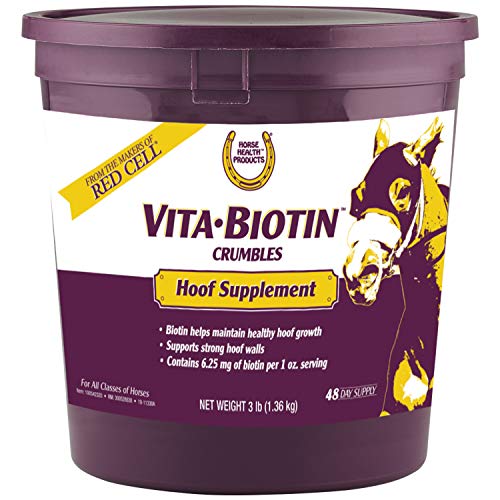
Horse Health Biotin Hoof Supplement
Biotin to support hoof quality in aging horses
Supplements support a senior horse's wellbeing but cannot replace veterinary care, dental work, and good management. Use them as part of a broader plan built with your vet and farrier.
When Is a Horse a Senior?
Most horses are considered senior somewhere from fifteen to twenty years of age, though many stay healthy and in work well into their twenties. Rather than a single birthday, senior status is about the appearance of age-related changes: dental wear, shifts in weight and muscle, stiffer joints, and a higher chance of the conditions below. With modern care, horses commonly live into their late twenties and beyond, which makes thoughtful senior management more important than ever.
The Most Common Senior Horse Conditions
PPID (Cushing's Disease)
PPID is the most common hormonal disease of older horses. A dysfunctional pituitary gland overproduces hormones, leading to a long coat that fails to shed, muscle loss, increased drinking, slow healing, and a raised risk of laminitis. It is very manageable with the daily medication pergolide plus supportive care. Read our full guide to PPID in senior horses.
Equine Metabolic Syndrome
EMS centers on insulin dysregulation and shows up as easy keepers with cresty necks, regional fat, and a strong tendency to laminitis. It is controlled through a low-sugar diet, weight management, and exercise. See our guide to equine metabolic syndrome.
Laminitis
Laminitis, the painful failure of the tissues bonding the hoof wall to the coffin bone, is often the visible result of PPID or EMS in older horses. It is an emergency. Learn the signs and response in our guide to laminitis in senior horses.
Arthritis and Joint Disease
Osteoarthritis is nearly universal in senior horses, bringing stiffness, a shortened stride, reluctance to work, and difficulty rising. Joint supplements, veterinary pain management, regular farrier care, and gentle consistent exercise keep many arthritic horses comfortable and mobile for years.
Dental Disease
The aging mouth wears down, develops sharp points, and loses teeth, making chewing inefficient. This drives weight loss and raises colic risk from poorly chewed forage. Regular floating and appropriate feeding are essential. Quidding is a classic warning sign.
Colic
Older horses are prone to impaction colic, often tied to worn teeth and reduced drinking, and to age-related strangulating lipomas. Knowing the signs and acting fast is vital. See our guide to colic in senior horses.
Weight Loss
Unexplained weight loss is never just old age. It points to dental problems, PPID, parasites, ulcers, pain, or organ disease, each treatable once identified. Our guide to weight loss in senior horses walks through the workup.
Senior Horse Care Planner
Track your senior horse's vital signs, feed and body condition, farrier and dental schedule, medications, and quality of life, all in one printable planner.
The Warning Signs That Should Never Be Ignored
Across all of these conditions, certain changes are red flags in a senior horse. Any of the following deserves a veterinary call rather than a wait-and-see approach.
- Weight loss: Never a normal part of aging, and a top early sign of several diseases.
- A coat that fails to shed: A hallmark of PPID.
- Foot soreness or a rocked-back stance: Possible laminitis, an emergency.
- Quidding and dropped feed: A dental problem affecting whole-body health.
- Signs of colic: Pawing, rolling, looking at the flank, off feed and manure.
- Increased drinking and urination: A signal of PPID or other disease.
- Stiffness or reluctance to move: Often arthritis or pain.
- Coughing or labored breathing: Possible equine asthma or heaves.
| Condition | Hallmark Signs |
|---|---|
| PPID (Cushing's) | Long coat that fails to shed, muscle loss, laminitis, drinking more |
| EMS | Easy keeper, cresty neck, regional fat, laminitis |
| Laminitis | Foot soreness, rocked-back stance, bounding digital pulse |
| Arthritis | Stiffness, short stride, reluctance to work, trouble rising |
| Dental disease | Quidding, weight loss, slow eating, feed packing |
| Colic | Pawing, rolling, looking at flank, reduced manure |
| Weight loss | Prominent spine, ribs, and hips; lost topline |
The Power of Early Detection
If there is one message to take from this overview, it is that early detection changes everything. Nearly every condition on this list is more manageable, more treatable, and kinder to your horse when it is caught early rather than late. Twice-yearly veterinary exams with dental checks, body condition scoring, and bloodwork or ACTH testing are the backbone of senior horse care, because they reveal disease before your horse ever looks sick.
You are an essential part of that early-warning system. By feeling your horse's body condition regularly, watching its appetite, drinking, manure, coat, movement, and attitude, and acting promptly on changes rather than chalking them up to old age, you give your veterinarian the chance to step in while it matters most. A senior horse with an attentive owner and regular veterinary and farrier care can enjoy many comfortable, contented years.
Explore Each Condition in Depth
- PPID (Cushing's) in Senior Horses - The most common hormonal disease of older horses.
- Equine Metabolic Syndrome (EMS) - Insulin dysregulation and laminitis risk.
- Laminitis in Senior Horses - The painful hoof emergency.
- Colic in Senior Horses - Recognizing and responding to abdominal pain.
- Gastric Ulcers in Horses - A hidden cause of poor appetite and weight loss.
- Equine Asthma and Heaves - Chronic airway disease in older horses.
- Weight Loss in Senior Horses - Finding the cause behind a thin horse.
- Signs a Senior Horse Is in Pain - Reading discomfort in a stoic animal.
Pet Insurance · Sponsored
Have a Dog or Cat at Home Too? Protect Them From Surprise Vet Bills
Most horse owners share their home with a dog or cat as well, and one emergency visit can run into the hundreds or thousands. Pet insurance can help cover surprise vet bills so a sudden cost does not force a hard choice. Get a free quote and see what coverage fits your household.
Frequently Asked Questions
At what age is a horse considered senior?
Horses are generally considered senior from around fifteen to twenty years of age, though it varies with the individual. Many horses stay healthy and in work well into their twenties, and improvements in care mean horses commonly live into their late twenties and beyond. Rather than a fixed birthday, senior status is really about the appearance of age-related changes such as dental wear, weight shifts, and the conditions covered here. Twice-yearly veterinary checks become especially valuable in these years.
What is the most common disease in senior horses?
PPID, or pituitary pars intermedia dysfunction, still widely called equine Cushing's disease, is the most common hormonal disease of older horses and rises sharply in frequency with age. Dental disease and arthritis are also nearly universal in some degree by the senior years. Many older horses carry more than one condition at once, such as PPID alongside arthritis and worn teeth, which is why a thorough veterinary workup and regular monitoring matter so much.
How often should a senior horse see the vet?
Senior horses benefit from at least twice-yearly veterinary visits, even when they seem healthy. These checks should include a physical exam, body condition scoring, a dental evaluation, and often bloodwork or ACTH testing to catch conditions like PPID early. Catching disease in its early stages, before a horse looks obviously unwell, gives the best chance of effective management. Your vet can tailor the monitoring schedule to your individual horse's health and history.
Is weight loss normal in older horses?
No. While some horses become harder keepers with age, true weight loss is not a normal part of aging and should always be investigated. It is one of the most important early warning signs in a senior horse and can point to dental problems, PPID, parasites, ulcers, pain, or organ disease. Run your hands over your horse regularly to feel for a more prominent spine, ribs, and hips, and act on any steady loss of condition with a veterinary workup.
Can dental problems affect my horse's whole health?
Absolutely. The mouth is central to a senior horse's wellbeing. Worn, sharp, loose, or missing teeth make chewing inefficient, which leads to weight loss, raises the risk of impaction colic from poorly chewed forage, and causes pain that affects behavior and performance. Regular dental floating, and feeding soaked feeds or hay replacers to horses with very poor teeth, supports good condition, digestion, and comfort. Quidding, dropping half-chewed hay, is a key warning sign.
Can I prevent health problems in my senior horse?
You cannot prevent every age-related condition, but you can greatly improve outcomes through good husbandry and early detection. Twice-yearly veterinary exams, regular dental and farrier care, a suitable diet, weight management, a sensible deworming and vaccination plan, and daily observation all help. Catching problems like PPID, laminitis, and dental disease early, when they respond best to management, is the single most powerful thing an owner can do for an aging horse.
Should I keep working my senior horse?
In most cases, yes, gentle and consistent exercise benefits older horses by keeping joints mobile, supporting weight and muscle, and aiding digestion and circulation. The work should suit the individual: many seniors thrive on light riding, groundwork, or regular turnout well into their twenties. Horses with arthritis, laminitis, or other conditions need a plan tailored with your vet, and any sudden reluctance to work may signal pain that deserves investigation rather than pushing through.
Need more help with your senior horse?
Browse our guides by topic to find practical solutions.
Wellness Planner: $39