Choke in Senior Horses: Signs and Prevention
Esophageal choke is common in older horses with worn teeth. Learn the signs, what to do in the moment, the aspiration risk, and how soaked feeds prevent it.
Few things rattle an owner like watching an older horse suddenly stop eating, stretch out its neck, and start coughing up frothy, feed-flecked discharge from both nostrils. That picture is esophageal choke, and it is one of the most common feeding emergencies in senior horses. The good news is that choke does not block the airway the way it does in people, so your horse can still breathe. The bad news is that it still needs prompt veterinary care and, just as importantly, real attention to prevention.
If you own an aging horse, pony, or mini, understanding choke is essential, because the worn teeth and slower swallowing that come with age make these horses especially prone to it. This guide explains what choke is, why seniors are at higher risk, exactly what to do in the moment, and how to feed so it is far less likely to happen again. It is educational information meant to support your equine veterinarian's advice, never to replace a call to the vet.
Feeding Tools to Reduce Choke Risk
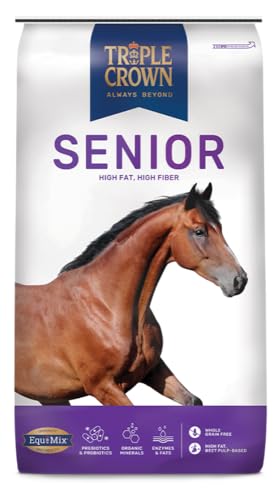
Triple Crown Triple Crown Senior Complete Feed
Beet-pulp based feed that soaks into a soft mash for horses with poor teeth

Standlee Standlee Timothy Mini Hay Cubes
Soak quickly into a soft forage mash for senior horses that cannot chew hay

Tough 1 Tough1 Slow Feed Hay Net
Small openings slow down a greedy eater and reduce the risk of bolting feed

Little Giant Little Giant Flat-Back Feed Bucket
A roomy bucket for soaking pellets, cubes, or complete feed into a mash
A quick note before we go further: products help you feed an older horse safely, but they do not replace dental care or veterinary attention. The single best thing you can do for a choke-prone senior is keep its mouth healthy and call the vet at the first sign of trouble.
What Choke Actually Is
Choke is a blockage of the esophagus, the muscular tube running from the throat down to the stomach. A bolus of feed, most often dry pellets, hay, or a poorly chewed wad of forage, lodges partway down and cannot move on. Saliva and any further feed or water then back up behind it, which is why the horse drools and discharges material from the nose.
The key reassurance is anatomical. The esophagus is separate from the windpipe, so a choking horse is not suffocating and can still breathe. That makes choke less instantly dangerous than it looks, but it is still an emergency, because a blockage left in place becomes harder to clear and can damage the esophagus or lead to aspiration pneumonia.
Why Senior Horses Are at Higher Risk
Aging stacks the odds toward choke, and the mouth is usually the reason. A horse's teeth wear continuously throughout life, and by the senior years many horses have lost grinding surface, developed sharp points, or lost teeth entirely. Conditions such as EOTRH and ordinary severe wear leave a horse unable to chew thoroughly. When food is not ground down and mixed with enough saliva, it forms a coarse, dry bolus that lodges easily.
On top of dental decline, older horses may produce less saliva, swallow more slowly, and have weaker esophageal muscle tone. Add a greedy horse that bolts its feed, or a sudden switch to dry pellets, and the risk climbs further. Quidding, where a horse drops half-chewed balls of hay from its mouth, is a warning sign that the teeth can no longer do their job and that choke may not be far behind.
Common Triggers
- Bolting feed too fast, especially dry pellets or cubes
- Poor dentition that prevents thorough chewing
- Dry feed offered without soaking to a horse with bad teeth
- Inadequate water intake, which leaves boluses dry
- Greedy eating after a period without food
Recognizing Choke
Choke usually comes on suddenly during or just after a meal. The horse stops eating and looks anxious or distressed. The most distinctive sign is a discharge of saliva, water, and chewed feed from both nostrils, since everything the horse tries to swallow simply backs up and overflows. You may also notice repeated coughing, retching, an extended or arched neck, drooling, repeated swallowing attempts, sweating, and sometimes colic-like pawing.
If you see that green, feed-flecked nasal discharge in an older horse that has just stopped eating, assume choke and act. Do not wait to see whether it passes on its own.
| If You See This | Do This |
|---|---|
| Sudden stop eating, distress, coughing | Remove all feed and hay at once |
| Feed and saliva from both nostrils | Lower the head so fluid drains forward |
| Retching and repeated swallowing | Keep the horse calm and quiet |
| Any suspected choke | Call your equine veterinarian now |
What to Do in the Moment
Stay calm, because a panicked horse and a panicked owner both make choke worse. Take away all feed and hay immediately so the horse cannot pile more onto the blockage, and remove water until your vet advises otherwise. Keep the horse quiet and let it stand with its head lowered, which helps saliva and feed drain forward out of the nose rather than trickling toward the lungs.
Do not try to push anything down the throat, do not pour liquids into the mouth, and do not give oral medications. Call your equine veterinarian right away. Many chokes clear on their own within several minutes as the esophagus relaxes, but you cannot know in advance which ones will, and a blockage that lingers needs professional help. Your vet may sedate the horse to relax the esophagus, pass a stomach tube to gently lavage the obstruction clear, and look for an underlying cause such as dental disease.
The Aspiration Pneumonia Risk
The most serious complication of choke is aspiration pneumonia. While the esophagus is blocked, saliva and tiny feed particles can trickle into the windpipe and down into the lungs, where they seed infection. This can develop during the choke or appear several days later, even after the obstruction has cleared. For that reason, monitor a recovered horse closely for a week. Watch for fever, a new cough, dullness, loss of appetite, or fresh nasal discharge, and report any of these to your vet promptly. Repeated or prolonged choke can also bruise and scar the esophagus, narrowing it and making future episodes more likely.
Senior Horse Care Planner
Track your senior horse's vital signs, feed and body condition, farrier and dental schedule, medications, and quality of life, all in one printable planner.
Preventing Choke in Your Senior Horse
Prevention is where you have the most power, and it starts in the mouth. Keep up regular dental care, with most senior horses needing an exam and floating once or twice a year so they can actually grind their feed. Watch for quidding and have it investigated promptly, because it signals that chewing is failing.
How you feed matters just as much. For horses with poor teeth, soak pellets, cubes, and complete feeds into a soft, sloppy mash, and wet dry hay or replace it with soaked hay cubes. Slow down fast eaters by putting a few large smooth stones in the feed pan, using a slow feeder hay net, or splitting the ration into smaller, more frequent meals. Always provide clean, fresh water, and in cold weather make sure it is not so icy that the horse drinks too little. If your horse repeatedly bolts feed or has choked before, talk with your vet about a tailored feeding plan, since a horse with one episode is more likely to have another. For more on caring for the aging mouth and feeding the hard keeper, see our guides to weight loss in senior horses and a senior horse that is not eating.
The Bottom Line
Choke is frightening to witness but rarely an immediate threat to breathing, and most cases clear with prompt veterinary care. The real work for owners of senior horses is prevention: healthy teeth, soaked feeds, slower meals, and plenty of water. Pair that daily routine with quick action and a fast call to your vet whenever choke strikes, and you give your older horse the safest possible path through one of the most common feeding emergencies of old age.
Related Senior Horse Health Guides
- Senior Horse Not Eating - When appetite drops and dental disease may be to blame.
- Weight Loss in Senior Horses - Feeding the older horse that cannot chew hay.
- Colic in Senior Horses - Another digestive emergency every owner should know.
- Common Health Problems in Senior Horses - An overview of aging-horse conditions.
Pet Insurance · Sponsored
Have a Dog or Cat at Home Too? Protect Them From Surprise Vet Bills
Most horse owners share their home with a dog or cat as well, and one emergency visit can run into the hundreds or thousands. Pet insurance can help cover surprise vet bills so a sudden cost does not force a hard choice. Get a free quote and see what coverage fits your household.
Frequently Asked Questions
What is choke in a senior horse?
Choke is an obstruction of the esophagus, the muscular tube that carries food from the throat to the stomach. Unlike choking in people, it does not block the airway, so the horse can still breathe. A wad of poorly chewed feed, dry pellets, or hay lodges and cannot pass. It is one of the most common feeding emergencies in older horses, largely because aging teeth and slower swallowing make a clean swallow harder. Most cases clear, but every choke needs a veterinarian's attention.
What are the signs of choke in horses?
The classic picture is a horse that suddenly stops eating and looks distressed, often stretching and arching the neck, coughing, and retching. The hallmark sign is a discharge of saliva, water, and chewed feed from both nostrils, since material backs up and overflows. You may also see drooling, repeated swallowing attempts, sweating, and anxiety. Some horses paw or act colicky. If you see green or feed-flecked nasal discharge in an older horse, treat it as choke and call your vet.
What should I do if my horse is choking?
Stay calm and remove all feed and hay immediately so the horse cannot swallow more on top of the blockage. Take away water too until your vet advises otherwise. Keep the horse quiet, ideally with the head lowered so fluid drains forward rather than down the windpipe. Do not try to push anything down the throat or pour anything in. Call your equine veterinarian right away. Many chokes clear on their own within minutes, but you cannot tell which will, so professional guidance matters.
Why are senior horses more prone to choke?
Older horses lose grinding surface as their teeth wear down, develop sharp points, or fall out, a problem worsened by conditions like EOTRH and ordinary age-related wear. When a horse cannot chew thoroughly, it swallows coarse, dry boluses that lodge easily. Reduced saliva, slower esophageal muscle function, and greedy bolting of feed all add to the risk. Many senior chokes trace directly back to dental disease, which is exactly why annual or twice-yearly dental exams matter so much in aging horses.
Can choke cause lasting damage?
Most chokes resolve without lasting harm, but complications do happen. The biggest worry is aspiration pneumonia, where saliva and feed particles trickle into the lungs and seed infection, sometimes days after the choke clears. Prolonged or repeated choke can also bruise, scar, or narrow the esophagus, making future episodes more likely. This is why vets often follow a choke with monitoring, and sometimes antibiotics. Watch a recovered horse closely for fever, cough, dullness, or nasal discharge over the following week.
How can I prevent choke in my older horse?
Prevention starts with the mouth: keep up regular dental care so your horse can actually chew. Soak pellets, cubes, and complete feeds into a soft mash for horses with poor teeth, and wet dry hay or switch to soaked hay cubes. Slow down fast eaters with large smooth stones in the feed pan or a slow feeder, feed smaller more frequent meals, and always provide clean water. Address any horse that bolts feed before the next episode turns serious.
Is choke an emergency?
Yes, treat every choke as an emergency and call your veterinarian, even though it is rarely immediately life threatening the way a blocked airway would be. Time matters because a blockage left in place becomes harder to clear and raises the risk of esophageal damage and aspiration pneumonia. Your vet may sedate the horse to relax the esophagus, pass a tube to gently flush the obstruction, and check for an underlying cause. Prompt care gives the best, safest outcome.
Need more help with your senior horse?
Browse our guides by topic to find practical solutions.
Wellness Planner: $39