When to Call the Vet for a Senior Horse
A clear decision guide for older horse owners: emergency signs, how to take TPR vitals and a digital pulse, what to tell your vet, and the first-aid kit to keep ready.
One of the hardest parts of caring for an older horse is deciding when something is serious enough to pick up the phone. Senior horses have less reserve than younger ones, and conditions like colic and laminitis can move fast, so knowing what counts as an emergency, and being ready to act, can genuinely save a life.
This guide gives you a clear emergency list, walks through how to check your horse's vital signs, explains what to have ready when you call, and helps you build a practical first-aid kit. The golden rule for senior horses runs through all of it: when in doubt, call. A good equine vet would always rather take an early call than be reached too late. This is educational information to use alongside, not in place of, your own veterinarian's advice.
First-Aid Essentials for the Barn
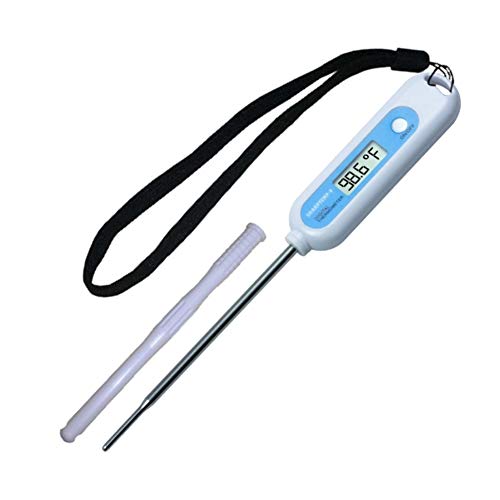
RJ SHARPTEMP-V Digital Thermometer
Fast, accurate equine thermometer for checking fever in seconds

Good Harbor Good Harbor Veterinary Stethoscope
Single-head stethoscope to check heart rate and gut sounds

Prairie Horse Supply Prairie Horse Supply Vet Wrap (24 Pack)
Self-adhesive cohesive bandage for wounds and hoof wraps

Silver Honey Silver Honey Rapid Wound Repair
Manuka honey and silver ointment for minor cuts and scrapes
Stocking a few key tools in advance means you can gather real information for your vet instead of guessing. A thermometer, stethoscope, and clean bandaging supplies turn a stressful moment into a calmer, more useful phone call.
Call Now: The Emergency List
The following signs mean call your equine vet immediately, day or night. Do not wait to see if they pass on their own, and do not give any medication until you have spoken to your vet, since some drugs can mask signs or interact dangerously.
- Colic signs: pawing, rolling, repeatedly looking at the flank, kicking at the belly, lying down and rising often, or no manure. See our guide to colic in senior horses.
- Choke: coughing, retching, food or saliva at the nostrils, and distress after eating. Read more on choke in senior horses.
- Severe lameness: a non-weight-bearing leg, which can signal a fracture, abscess, or serious injury.
- Suspected laminitis: a pounding digital pulse, heat in the feet, shifting weight, or a rocked-back stance. See laminitis in senior horses.
- Eye injury: any swelling, cloudiness, squinting, tearing, or trauma to the eye. Learn about equine recurrent uveitis.
- Profuse bleeding that does not slow with firm pressure.
- Difficulty breathing: labored, noisy, or rapid breathing, or flared nostrils at rest.
- Neurologic signs: stumbling, circling, head pressing, weakness, or inability to stand.
- Refusal to eat or drink in a horse that is normally keen.
- High fever above 101.5 degrees Fahrenheit, or watery diarrhea with signs of dehydration.
How to Check Your Horse's Vital Signs
Being able to report accurate vitals helps your vet judge how urgent a situation is. Practice these on a calm, healthy horse so the steps feel natural when it matters. Together, temperature, pulse, and respiration are called the TPR. For a printable one-table reference, see our senior horse vital signs chart.
Temperature
Lubricate a digital thermometer, stand safely to the side, lift the tail, and insert it into the rectum until it beeps. Normal is roughly 99 to 101.5 degrees Fahrenheit. Anything over 101.5 suggests a fever and warrants a call.
Pulse (Heart Rate)
Use a stethoscope placed just behind the left elbow, or feel the artery under the jaw. Count beats for 15 seconds and multiply by four. A resting horse should be 28 to 44 beats per minute. A high resting heart rate often signals pain, fever, or distress.
Respiration
Watch the flank or feel the air at the nostrils. Count one full breath in and out as a single breath for 15 seconds, then multiply by four. Normal at rest is 8 to 16 breaths per minute.
Mucous Membranes and Capillary Refill
Lift the lip and look at the gums. They should be moist and pale pink. Press a fingertip against the gum, release, and watch the color return within two seconds. Pale, white, brick red, or bluish gums, or a slow refill, are red flags.
Gut Sounds and Digital Pulse
Listen to all four quadrants of the belly with a stethoscope. Normal gurgles and rumbles are good news; a silent gut can signal colic. Finally, feel the digital pulse at the back of the fetlock. It should be faint. A strong, bounding pulse points toward laminitis or a hoof abscess.
| Vital Sign | Normal at Rest |
|---|---|
| Temperature | 99 to 101.5 degrees Fahrenheit |
| Pulse (heart rate) | 28 to 44 beats per minute |
| Respiration | 8 to 16 breaths per minute |
| Mucous membranes | Moist, pale pink |
| Capillary refill | Under 2 seconds |
| Gut sounds | Present in all four quadrants |
| Digital pulse | Faint or hard to find |
What to Have Ready When You Call
A calm, organized call helps your vet decide how fast to come and what to bring. Before you dial, gather what you can without putting yourself at risk:
- Your horse's TPR, gum color, and capillary refill
- When the problem began and exactly what you have seen
- Whether the horse is eating, drinking, and passing manure
- Recent changes in feed, turnout, or routine
- Current medications and known conditions such as PPID or EMS
- Your horse's normal baseline vitals and approximate weight
Senior Horse Care Planner
Track your senior horse's vital signs, feed and body condition, farrier and dental schedule, medications, and quality of life, all in one printable planner.
Building Your First-Aid Kit
Keep a stocked kit where everyone at the barn can find it. A good base includes a digital thermometer, a stethoscope, clean gauze and non-stick pads, cotton roll, self-adhesive vet wrap, a roll of duct tape for emergency hoof wraps, blunt-tipped scissors, a gentle wound antiseptic and ointment, latex gloves, a hoof pick, and a flashlight. Add your vet's number on a card, your horse's baseline vitals, and a hoof boot if your senior is prone to abscesses or sore feet. Check and restock it twice a year so nothing is expired or missing when you need it most.
The single best thing you can do for an aging horse is to know its normal and trust your instincts when something feels off. Senior horses reward attentive owners, and a low threshold to call your vet, paired with a ready kit and a calm head, gives your older horse the best possible chance whenever trouble appears.
Related Senior Horse Health Guides
- Senior Horse Vital Signs Chart - Normal TPR, gut sounds, capillary refill, and warning thresholds in one table.
- Colic in Senior Horses - Spotting and responding to a true emergency.
- Choke in Senior Horses - Why older horses are at higher risk.
- Laminitis in Senior Horses - The hoof emergency every owner must know.
- Dehydration in Senior Horses - A quiet risk that can trigger colic.
Pet Insurance · Sponsored
Have a Dog or Cat at Home Too? Protect Them From Surprise Vet Bills
Most horse owners share their home with a dog or cat as well, and one emergency visit can run into the hundreds or thousands. Pet insurance can help cover surprise vet bills so a sudden cost does not force a hard choice. Get a free quote and see what coverage fits your household.
Frequently Asked Questions
What are true emergencies that need an immediate vet call for a senior horse?
Call right away for signs of colic such as pawing, rolling, or looking at the flank; choke with coughing and nasal discharge; severe lameness or a non-weight-bearing leg; suspected laminitis with a pounding digital pulse; any eye injury or sudden cloudiness; profuse bleeding; labored breathing; neurologic signs like stumbling, circling, or weakness; refusal to eat or drink; a high fever; or watery diarrhea with dehydration. With older horses, when in doubt, call. Early action almost always leads to better outcomes.
What are normal vital signs for a horse?
A resting adult horse runs a temperature of about 99 to 101.5 degrees Fahrenheit, a heart rate of 28 to 44 beats per minute, and a respiratory rate of 8 to 16 breaths per minute. Gums should be moist and pink with a capillary refill under two seconds, and you should hear regular gut sounds on both sides. Learn your own horse's baseline when healthy, because what is normal varies slightly by individual, and a change from baseline is what matters most.
How do I take my horse's temperature, pulse, and respiration?
For temperature, use a lubricated digital thermometer in the rectum until it beeps. For pulse, press the artery under the jaw or use a stethoscope behind the left elbow and count beats for 15 seconds, then multiply by four. For respiration, watch the flank or nostrils for one breath in and out, counting for 15 seconds and multiplying by four. Practice these on a healthy horse so you are calm and quick in a real emergency.
What is a digital pulse and why does it matter?
The digital pulse is felt at the back of the fetlock or pastern, where the arteries run down to the hoof. In a healthy foot it is faint or hard to find. A strong, pounding, or bounding digital pulse, especially in both front feet, is a classic warning sign of laminitis or a hoof abscess and warrants a prompt vet call. Learning to feel a normal digital pulse on your healthy horse makes an abnormal one much easier to recognize.
What information should I have ready when I call the vet?
Have your horse's vital signs if you can safely take them: temperature, pulse, respiration, gum color, and capillary refill. Note when the problem started, what you have seen, whether your horse is eating, drinking, and passing manure, any recent changes in feed or routine, current medications, and known conditions like PPID. Knowing your horse's normal weight and baseline vitals helps too. Clear, calm information lets your vet judge urgency and arrive prepared with the right equipment.
What should be in a senior horse first-aid kit?
Build a kit with a digital thermometer, a stethoscope, clean gauze and non-stick pads, cotton roll, self-adhesive vet wrap, a roll of duct tape for hoof wraps, blunt scissors, a clean wound antiseptic, latex gloves, a wound ointment, a hoof pick, and a flashlight. Keep your vet's number, your horse's baseline vitals, and a hoof boot if your horse is prone to abscesses. Check and restock the kit twice a year and keep it somewhere everyone at the barn can find.
Is it ever better to wait and watch rather than call?
Some minor issues, like a small superficial scrape, mild stiffness that eases with movement, or a single soft manure pile in an otherwise bright horse, can be monitored briefly. But senior horses have less reserve and can decline faster than younger ones, so the threshold to call should be low. Set a clear time limit, recheck vitals, and if anything worsens, if your horse stops eating, or if you simply feel unsure, call. Vets would rather hear from you early.
Need more help with your senior horse?
Browse our guides by topic to find practical solutions.
Wellness Planner: $39