The Cost of Cushing's (PPID) Treatment
What treating equine Cushing's costs: ACTH testing, pergolide and Prascend monthly prices, rechecks, low-sugar diet, and hoof care for laminitis risk in senior horses.
A Cushing's diagnosis often arrives with a question close behind: what is this going to cost? PPID, or pituitary pars intermedia dysfunction, is the most common hormonal disease of senior horses, and the good news is that it is manageable for years with consistent care. The costs are real but predictable, which means you can budget for them confidently once you understand each piece. For the medical background on the disease itself, see our full guide to PPID and Cushing's in senior horses.
This guide breaks down the cost of treating equine Cushing's in the United States, from the initial ACTH test through the ongoing medication, rechecks, diet, and hoof care that keep an affected horse comfortable. Fold these numbers into your overall plan with our cost calculator, and use the horse age calculator to frame how many senior years your horse may have ahead, since PPID is a long-term, manageable condition.
Supportive Supplements for the PPID Horse
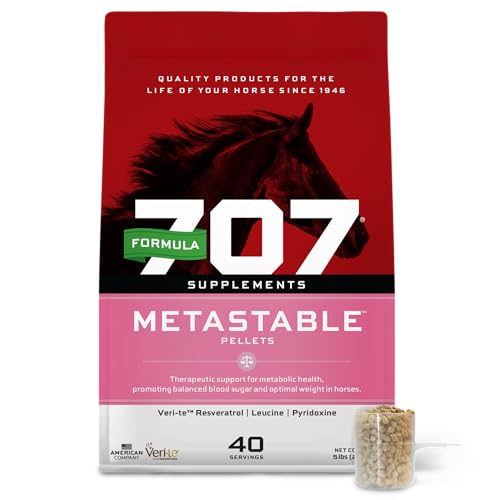
Formula 707 MetaStable Metabolic Support Pellets
Supports hormone balance alongside vet-prescribed pergolide in PPID horses

Equine Veterinary Essentials MetaboBalance Metabolic Support
Targets metabolic and laminitis risk that often accompanies PPID

Silver Lining Herbs Silver Lining Herbs Pituitary Support
Herbal endocrine support to use with, not instead of, prescribed pergolide
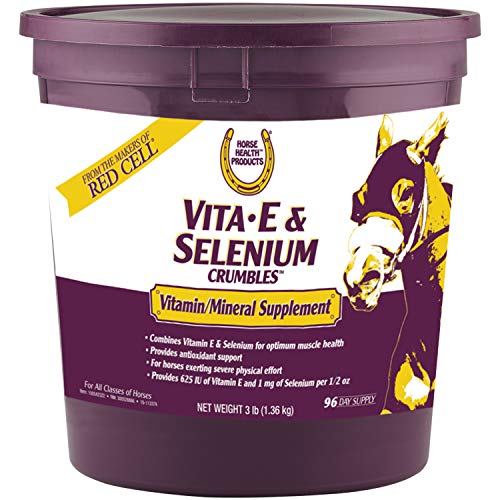
Horse Health Vita E & Selenium Crumbles
Antioxidant and muscle support for PPID horses losing topline
One point deserves emphasis before any discussion of supplements: these products support a Cushing's horse but do not replace pergolide. The prescription medication your vet provides is the only proven treatment for the disease. Think of nutritional support as part of the surrounding care, never a substitute for the medication that actually controls the overactive pituitary.
The Cost of Diagnosis
Treatment begins with confirming the disease, and you should not start medication on a guess. The standard first step is a resting ACTH blood test, interpreted against seasonal reference ranges because the hormone naturally rises in autumn. That test runs 80 to 200 dollars including the lab fee, on top of the farm call. For borderline cases, a TRH stimulation test adds 100 to 200 dollars and gives a clearer answer. Many vets check insulin and glucose at the same visit, since insulin dysregulation so often travels with PPID and changes the management plan. Budget roughly 200 to 500 dollars for a thorough initial workup.
Ongoing Treatment Costs
Here is how the recurring costs of managing a Cushing's horse typically break down in the United States. Your figures will vary with dose, region, and how much corrective hoof care your horse needs.
| Cost Element | Typical Range | Frequency |
|---|---|---|
| Resting ACTH test | $80 to $200 | Diagnosis, then 1 to 2 rechecks a year |
| TRH stimulation test | $100 to $200 | If needed for borderline cases |
| Pergolide / Prascend | $40 to $120 | Monthly, lifelong |
| Insulin / glucose panel | $50 to $150 | As indicated |
| Low-sugar diet extras | $20 to $60 | Monthly |
| Metabolic supplements | $30 to $95 | Monthly, optional |
| Routine hoof care | $50 to $90 | Every 6 to 8 weeks |
| Corrective farrier (during flare) | $100 to $300+ | As needed |
Pergolide: The Core Cost
The medication is the heart of treatment and the largest recurring expense for most horses. Pergolide, sold as Prascend, is a once-daily oral tablet that calms the overactive pituitary. Brand-name tablets run about 1 to 3 dollars each, so a horse on one tablet a day costs roughly 40 to 90 dollars a month, with higher doses costing more. Compounded pergolide from a licensed pharmacy can be cheaper but varies in stability, so discuss the trade-offs with your vet. Pergolide is lifelong, and vets often raise the dose gradually as the disease progresses, so expect the monthly cost to drift upward over the years.
Diet and the Hidden Cost of Laminitis Prevention
Because most PPID horses also carry insulin dysregulation, a low-sugar, low-starch diet under about ten to twelve percent NSC is the safe default. The diet itself may add only 20 to 60 dollars a month, but tested low-sugar hay, a quality ration balancer, and the labor of soaking hay to lower its sugar all factor in. The real financial stakes lie in laminitis prevention. An endocrine laminitis flare can mean radiographs at 150 to 400 dollars, corrective shoeing, pain management, and weeks of stall rest, easily running well over 1,000 dollars. Spending steadily on diet and frequent hoof care is far cheaper than treating a flare.
Hoof Care for the At-Risk Horse
Frequent, skilled farrier work is one of the best investments you can make in a Cushing's horse. Routine trims every six to eight weeks at 50 to 90 dollars keep the feet balanced and let your farrier catch early soreness. During an active laminitis episode, therapeutic trimming or specialized shoeing can run 100 to 300 dollars or more per visit, sometimes guided by radiographs. Partnering closely with your farrier, and calling at the first sign of foot soreness, shifting weight, or a pounding digital pulse, is both the kindest and the most cost-effective approach.
The Bottom Line
All in, managing a Cushing's horse commonly costs 75 to 200 dollars a month once you account for medication, diet extras, supportive supplements, and routine hoof care, plus a few hundred dollars a year for ACTH rechecks. That is a manageable, predictable number for most owners, and it buys years of comfortable life for a horse who would otherwise decline. The costliest scenarios come from skipped medication and neglected feet, which lead to laminitis flares that dwarf the cost of steady care. Keep your vet directing the pergolide dose, your farrier on a tight schedule, and your horse on a low-sugar diet, and build the monthly figure into your plan with our cost calculator.
Related Senior Horse Guides
- PPID (Cushing's) in Senior Horses - The full medical guide to the disease.
- Senior Horse Vet Costs - Routine and emergency veterinary budgeting.
- The Real Cost of Owning a Senior Horse - The full annual breakdown.
- Budgeting for a Senior Horse - Build a monthly plan and sinking funds.
Frequently Asked Questions
How much does PPID treatment cost per month?
Most owners spend roughly 40 to 120 dollars a month on pergolide, sold as Prascend, depending on the dose and where they buy it. A typical horse on one to two tablets daily lands near the middle of that range. Add periodic ACTH rechecks, a low-sugar diet, and attentive hoof care and the all-in monthly cost of managing a Cushing's horse commonly runs 75 to 200 dollars. The medication itself is the largest recurring piece for most horses.
What does ACTH testing cost to diagnose Cushing's?
A resting ACTH blood test to screen for PPID generally runs 80 to 200 dollars including the lab fee, plus the farm call. If your vet adds a TRH stimulation test for a borderline result, expect another 100 to 200 dollars. Many vets also check insulin and glucose at the same draw, since insulin dysregulation raises laminitis risk. After diagnosis, rechecks to confirm the pergolide dose cost similar lab amounts once or twice a year, often timed to the autumn ACTH rise.
How much is pergolide or Prascend for horses?
Brand-name Prascend tablets typically cost 1 to 3 dollars per tablet, so a horse on one tablet a day runs about 40 to 90 dollars a month, and higher doses cost proportionally more. Compounded pergolide from a licensed pharmacy can be cheaper but varies in stability, so discuss it with your vet. Prices shift with dose changes as the disease progresses, since vets often raise the dose gradually over the years to keep ACTH controlled.
Do supplements replace pergolide for Cushing's?
No. Supplements do not replace pergolide and cannot control PPID on their own. Pergolide is the only treatment proven to calm the overactive pituitary gland, and it is prescription-only for good reason. Metabolic and antioxidant supplements may support a Cushing's horse alongside the medication, helping with muscle, coat, or general condition, but they work around the prescription, not instead of it. Always treat supplements as supporting care and keep your vet directing the core treatment plan.
Why does a Cushing's horse need a special diet, and what does it cost?
Because most PPID horses also have insulin dysregulation, they need a low-sugar, low-starch diet under about ten to twelve percent NSC to limit laminitis risk. That often means tested low-sugar hay, a ration balancer instead of high-starch grain, and limited pasture. The diet itself may not cost much more than ordinary feeding, perhaps 20 to 60 dollars a month, but tested hay and a quality balancer add up, and soaking hay to lower sugar takes time and effort.
How much does hoof care add for a laminitic Cushing's horse?
A PPID horse at laminitis risk often needs more frequent farrier visits and sometimes corrective trimming or therapeutic shoeing, which can raise hoof care from a routine 50 dollar trim to 100 to 300 dollars or more per visit during an active flare. Radiographs to guide the farrier add 150 to 400 dollars. Keeping the feet balanced and catching soreness early is one of the most important and cost-effective parts of managing a Cushing's horse.
Need more help with your senior horse?
Browse our guides by topic to find practical solutions.
Senior Horse Care Kit: $24