PPID (Cushing's) in Senior Horses
A practical guide to PPID, or equine Cushing's disease: signs like a long coat and laminitis, ACTH testing, pergolide treatment, and daily management of an older horse.
If your aging horse has stopped shedding properly, dropped muscle over the topline, or foundered for no clear reason, there is a good chance your veterinarian will mention PPID. Pituitary pars intermedia dysfunction, still widely known as equine Cushing's disease, is the most common hormonal disorder of senior horses and one of the most important conditions for any owner of an older horse or pony to understand.
The good news is that PPID is manageable. With a daily tablet, a thoughtful diet, and attentive hoof and dental care, most affected horses go on to enjoy comfortable, active years. This guide explains what PPID is, how to recognize it, how it is diagnosed and treated, and how to support your horse day to day. It is educational information meant to work alongside your own equine veterinarian's advice, not to replace it.
Support Supplements for the PPID Horse
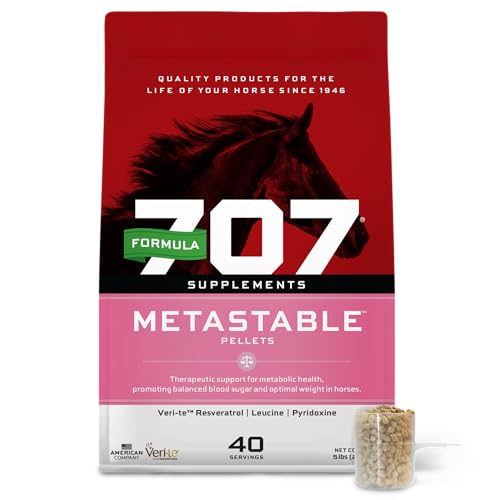
Formula 707 MetaStable Metabolic Support Pellets
University-studied support for hormone balance in senior horses

Equine Veterinary Essentials MetaboBalance Metabolic Support
Targets PPID, insulin resistance, and laminitis risk together

Silver Lining Herbs Pituitary Support Herbal Blend
Herbal endocrine support to use alongside vet-prescribed pergolide
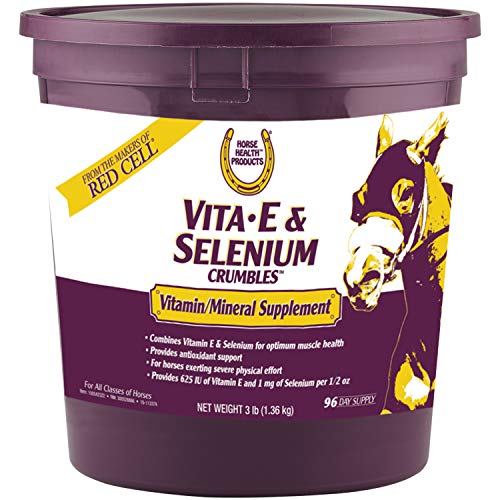
Horse Health Vita E & Selenium Crumbles
Antioxidant and muscle support for horses losing topline
A note before you shop: supplements support a PPID horse but do not replace pergolide. The single most effective treatment is the prescription medication your vet provides. Think of nutritional support as part of the surrounding care, not a substitute for it.
What Happens Inside a Horse With PPID
The pituitary gland sits at the base of the brain and helps run the body's hormone system. In PPID, the pars intermedia region of that gland gradually enlarges and loses its normal control. It pumps out excess hormones, including ACTH, which in turn drives up cortisol and disturbs many other systems. The result is the wide-ranging picture owners recognize: coat changes, muscle loss, increased thirst, sluggish immunity, and a heightened risk of laminitis.
PPID is a slow, progressive disease of aging. It is not caused by anything an owner did wrong, and it cannot be prevented. What you can do is catch it early, treat it, and manage the knock-on effects so your horse stays comfortable.
Recognizing the Signs
PPID shows itself differently from horse to horse and changes as it advances. Early on the signs are easy to dismiss as ordinary aging. Later they become unmistakable.
Coat and Shedding Changes
The most famous sign is hirsutism: a long, thick, sometimes curly coat that sheds late or never fully sheds, leaving the horse sweaty and uncomfortable in warm weather. Before that classic stage, you may simply notice patchy shedding, longer guard hairs on the legs and jaw, or a coat that just looks wrong for the season.
Muscle Loss and a Pot-Bellied Look
Many PPID horses lose muscle along the topline and over the hindquarters while developing a rounded, dropped belly. The combination of a sagging back and a hay belly is a common reason owners first call the vet.
Laminitis
An episode of laminitis with no dietary trigger, or recurring low-grade foot soreness, is one of the most important red flags. Endocrine laminitis tied to PPID and high insulin can be devastating, so it always warrants testing for the underlying hormonal cause.
Other Signs
- Increased drinking and urination
- Lethargy or a duller attitude
- Excess sweating or, less often, reduced sweating
- Recurrent infections, hoof abscesses, or skin and dental problems that heal slowly
- Abnormal fat pads, including a cresty neck when insulin is also involved
Testing and Diagnosis
You cannot diagnose PPID by appearance alone, and you should not start medication on a guess. The standard first step is a blood test measuring resting ACTH, interpreted against seasonal reference ranges because the hormone naturally rises in late summer and autumn. For borderline or early cases, a TRH stimulation test gives a clearer answer. Many vets check insulin and glucose at the same visit, since insulin dysregulation so often travels with PPID and changes the management plan. Testing can be done right at the barn and is the foundation of good treatment.
Treatment: Pergolide and Beyond
The cornerstone treatment is pergolide, marketed as Prascend, a once-daily oral tablet. It acts on the pituitary to restore more normal hormone signaling. Most horses improve noticeably over the following weeks and months, shedding better, regaining energy, and rebuilding some muscle. Your veterinarian sets the dose, rechecks ACTH to confirm control, and may raise the dose gradually as the disease progresses.
A small number of horses experience a temporary dip in appetite when starting pergolide, sometimes called the pergolide veil. Your vet can manage this by starting low and increasing slowly. Pergolide is a lifelong medication, not a short course, and consistency matters: skipping doses lets the disease creep back.
| Care Element | Why It Matters in PPID |
|---|---|
| Daily pergolide | Controls the overactive pituitary; the core treatment |
| Low-sugar, low-starch diet | Reduces insulin spikes and laminitis risk |
| Frequent hoof care | Catches and supports laminitis early |
| Routine dental work | Older teeth plus slow healing demand close attention |
| Regular ACTH rechecks | Confirms the dose is still controlling the disease |
Feeding and Daily Management
Because most PPID horses share the laminitis risk of insulin dysregulation, a low-sugar, low-starch diet is the safe default. Build the ration on forage tested under roughly ten to twelve percent NSC, limit lush pasture especially in spring and autumn, and use a ration balancer to supply protein, vitamins, and minerals without excess calories. Horses that are hard keepers with confirmed normal insulin may tolerate added calories from oil or beet pulp, but only under veterinary guidance. Read more in our guides to equine metabolic syndrome and laminitis in senior horses.
Beyond diet, support the immune system that PPID weakens. Stay current on dental floating, keep up a sensible deworming and vaccination plan with your vet, clip the heavy coat in summer to prevent overheating, and watch closely for infections and abscesses that need prompt care.
Senior Horse Care Planner
Track your senior horse's vital signs, feed and body condition, farrier and dental schedule, medications, and quality of life, all in one printable planner.
Living Well With a Cushing's Horse
A PPID diagnosis can feel daunting, but it is one of the most treatable conditions of old age in horses. The horses that do best have owners who give medication faithfully, feed for low sugar and starch, partner closely with a farrier, and call the vet at the first sign of foot soreness. Many continue light work and remain bright, engaged companions for years after diagnosis.
Think of PPID care as a routine rather than a crisis. A daily tablet, a balanced low-sugar ration, regular hooves and teeth, and a watchful eye add up to a comfortable life for your senior horse. When something does change, your veterinarian and farrier are your most valuable partners, so keep them in the loop and never wait on a suspected laminitis flare.
Related Senior Horse Health Guides
- Equine Metabolic Syndrome (EMS) - The insulin disorder that often overlaps with PPID.
- Laminitis in Senior Horses - The hoof emergency every PPID owner must understand.
- Weight Loss in Senior Horses - When muscle and condition slip away.
- Common Health Problems in Senior Horses - An overview of aging-horse conditions.
Pet Insurance · Sponsored
Have a Dog or Cat at Home Too? Protect Them From Surprise Vet Bills
Most horse owners share their home with a dog or cat as well, and one emergency visit can run into the hundreds or thousands. Pet insurance can help cover surprise vet bills so a sudden cost does not force a hard choice. Get a free quote and see what coverage fits your household.
Frequently Asked Questions
What is PPID or Cushing's disease in horses?
PPID stands for pituitary pars intermedia dysfunction, the modern name for what owners still call equine Cushing's disease. A region of the pituitary gland at the base of the brain enlarges and overproduces hormones, most notably ACTH. This disrupts normal hormone balance throughout the body. It is the single most common hormonal disease of senior horses, affecting a large share of horses and ponies over fifteen, and the risk climbs with every additional year of age.
What are the early signs of PPID in a senior horse?
Early PPID is subtle. You might notice a coat that sheds late or unevenly in spring, slightly longer hairs along the legs or under the jaw, mild lethargy, a drop in topline muscle, increased drinking, or a bout of laminitis with no obvious cause. The classic long curly coat that fails to shed, called hirsutism, usually appears in more advanced disease. Because early signs are vague, ACTH testing is the reliable way to confirm a suspicion.
How is PPID diagnosed?
The most common test is a resting blood ACTH level, often paired with a TRH stimulation test for borderline cases. Your veterinarian draws blood and the lab measures the hormone against seasonal reference ranges, since ACTH naturally rises in autumn. Many vets also check insulin and glucose at the same time, because PPID and insulin dysregulation frequently occur together and both raise laminitis risk. Testing is straightforward and can be done at the barn.
What is the treatment for equine Cushing's?
The standard treatment is pergolide, sold as Prascend, a daily oral tablet that calms the overactive pituitary. Most horses respond well, with improved coat, energy, and muscle over weeks to months. Your vet sets the starting dose and rechecks ACTH to fine-tune it. Some horses need a gradual increase over time. Pergolide is not a cure, but it controls the disease effectively for years when given consistently and monitored.
Can a horse with PPID still be ridden and live a normal life?
Yes. Many PPID horses, once stabilized on pergolide and managed for laminitis risk, continue light to moderate work and live comfortably for years. The keys are consistent medication, a low-sugar and low-starch diet, excellent hoof care, regular dental work, and prompt attention to infections, which heal more slowly in these horses. With good management, a Cushing's diagnosis is far from the end of an active retirement.
Why does PPID cause laminitis?
PPID often goes hand in hand with insulin dysregulation, and high insulin is the main driver of endocrine laminitis. Damaged hormone signaling weakens the laminae that bond the hoof wall to the coffin bone, sometimes with little warning. This is why vets check insulin alongside ACTH and why diet and hoof management matter so much. Any PPID horse that becomes foot sore, shifts weight, or shows a pounding digital pulse needs urgent veterinary attention.
Does my PPID horse need a special diet?
Usually yes. Because so many PPID horses also have insulin dysregulation, a low-sugar, low-starch diet built on tested forage under about ten to twelve percent NSC is the safe default. Pasture access often needs limiting, especially in spring and autumn. A ration balancer supplies protein, vitamins, and minerals without excess calories or sugar. Hard keepers with normal insulin may tolerate added oil or beet pulp. Your vet can tailor the plan to the individual.
Need more help with your senior horse?
Browse our guides by topic to find practical solutions.
Wellness Planner: $39