Why Is My Senior Horse Drinking So Much Water?
Excessive thirst in an older horse often signals PPID (Cushing's) or kidney disease. Learn normal water intake, the red flags, why never to restrict water, and vet tests.
Excessive drinking in an older horse most often points to PPID (Cushing's disease), which increases thirst and urination, or to kidney disease. Less common causes include insulin problems, certain medications, salt overconsumption, and hot weather or heavy work. A sustained, unexplained increase in drinking, usually paired with more urination, is a signal to have your vet run bloodwork and a urinalysis rather than to assume it is harmless.
Noticing your horse draining the water trough faster than usual, or seeing more wet patches in the stall, can be unsettling. The medical term is polydipsia, and in a senior horse it is one of those quiet signs worth paying attention to. This guide explains how much water is normal, what excessive thirst can mean, and the one thing you should never do in response.
Hydration and Metabolic Support Essentials

Equine Veterinary Essentials Equine Metabolic Support
Herbal support marketed for PPID and insulin-resistant horses

Farnam Apple Elite Electrolytes
Replaces minerals lost in sweat for hard-working or hot-weather horses
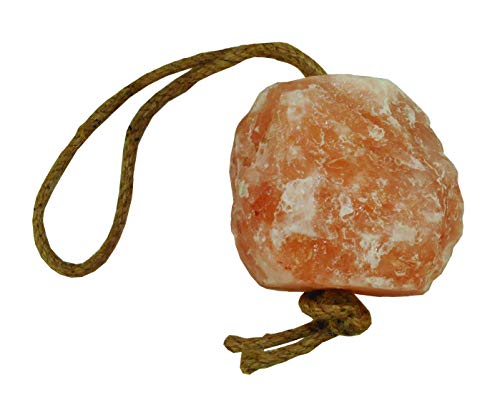
Horsemen's Pride Himalayan Salt Block on Rope
Free-choice salt to support healthy, balanced water intake

Farm Innovators Heated Water Bucket
Keeps water drinkable in winter so a thirsty horse stays hydrated
These help you manage hydration and support a metabolic horse, but they do not diagnose the cause of excessive thirst. If your senior is suddenly drinking far more than normal, the priority is a veterinary workup.
How Much Water Is Normal?
An average adult horse at rest drinks roughly 5 to 10 gallons of water a day, and more in hot weather, with heavy work, or when eating dry hay instead of fresh grass. The figure that matters is your own horse's baseline. A senior that suddenly drinks far beyond its usual amount, and urinates more, is showing a change worth investigating even if the raw total seems ordinary. Knowing what a normal day looks like for your horse makes a real change easy to spot.
The Common Causes
PPID (Cushing's Disease)
PPID is the most common hormonal disease of older horses, and increased thirst and urination are classic signs. It usually comes with other clues: a long coat that fails to shed, muscle loss over the topline, lethargy, and a raised laminitis risk. If your senior is drinking more, ask your vet about an ACTH blood test. See our guides to PPID in senior horses and why an old horse won't shed his coat.
Kidney Disease
Chronic kidney disease is uncommon in horses but does occur with age, and increased drinking and urination are among its signs, along with weight loss and a poor coat. It is diagnosed with bloodwork and a urinalysis, and it changes how a horse should be treated, since certain NSAIDs and high-calcium diets must be avoided. See kidney disease in horses.
Diet, Weather, and Medication
Hot weather, sweating, hard work, salty feeds, free-choice salt, and a switch from grass to dry hay all raise normal intake temporarily and proportionally. Some medications, including corticosteroids, also increase drinking. These causes make sense in context. The concern is thirst that persists in cool weather and ordinary conditions with no obvious explanation.
Why You Must Never Restrict Water
It can be tempting to limit water when a horse seems to be overdrinking, but this is dangerous and must be avoided. A horse drinking more is often compensating for a genuine loss of fluid through excessive urination, and taking water away can cause rapid dehydration and tip a senior toward impaction colic. Always keep clean fresh water available at all times. The correct response to excessive thirst is to diagnose and treat the cause, not to remove the water the horse needs.
Senior Horse Care Planner
Track your senior horse's vital signs, feed and body condition, farrier and dental schedule, medications, and quality of life, all in one printable planner.
The Veterinary Workup
| Test | What It Tells the Vet |
|---|---|
| ACTH blood test | Screens for PPID |
| Kidney bloodwork | Assesses renal function |
| Urinalysis | Shows how well urine is concentrated |
| Glucose and insulin | Checks for insulin dysregulation |
| Medication and diet review | Identifies treatable external causes |
With these results, your vet can separate hormonal disease from kidney problems and from harmless causes, then target treatment accordingly. Whether the answer is starting pergolide for PPID, adjusting the diet for kidney support, or simply recognizing a hot-weather effect, getting the diagnosis is what keeps your senior horse comfortable and properly hydrated. In the meantime, keep that trough clean, full, and never restricted.
Pet Insurance · Sponsored
Have a Dog or Cat at Home Too? Protect Them From Surprise Vet Bills
Most horse owners share their home with a dog or cat as well, and one emergency visit can run into the hundreds or thousands. Pet insurance can help cover surprise vet bills so a sudden cost does not force a hard choice. Get a free quote and see what coverage fits your household.
Frequently Asked Questions
Why is my senior horse drinking so much water?
Excessive drinking (polydipsia) in an older horse most often points to PPID (Cushing's disease), which increases thirst and urination, or to kidney disease. Less commonly it reflects diabetes-like insulin problems, certain medications, salt overconsumption, or simply hot weather and heavy work. A genuine, sustained increase in drinking, usually paired with more urination, is a signal to have your vet run bloodwork and a urinalysis to find the cause rather than to assume it is harmless.
How much water should a horse drink per day?
An average adult horse drinks roughly 5 to 10 gallons of water a day at rest, and more in hot weather, with heavy work, or when eating dry hay rather than fresh grass. Foals, lactating mares, and exercising horses drink more. What matters is a change from your horse's normal: if a senior suddenly drinks far more than usual and is urinating more, that increase is worth investigating with your vet even if the total seems within range.
Is increased drinking a sign of Cushing's?
Yes, increased thirst and urination are classic signs of PPID, the most common hormonal disease of older horses. PPID also causes a long coat that won't shed, muscle loss, lethargy, and a heightened laminitis risk. If your senior horse is drinking and urinating more, especially alongside any of those signs, ask your vet about an ACTH blood test. Diagnosing and treating PPID early helps prevent painful complications like laminitis.
Can drinking too much mean kidney disease?
It can. Chronic kidney disease is uncommon in horses but does occur in older animals, and increased drinking and urination are among its signs, along with weight loss, a poor coat, and sometimes mouth ulcers or a strong-smelling breath. Your vet diagnoses it with bloodwork and a urinalysis. Importantly, horses with kidney disease should avoid certain NSAIDs and high-calcium or high-protein diets, so a diagnosis matters for safe treatment.
Should I limit my horse's water if he is drinking a lot?
No. Never restrict a horse's water in an attempt to curb excessive drinking, because the horse may be drinking to compensate for a real loss of fluid, and removing water can cause dangerous dehydration. Instead, provide constant access to clean fresh water and have your vet investigate the cause. The right fix is to diagnose and treat the underlying problem, not to take away the water the horse is asking for.
Could the weather or diet explain the extra drinking?
Sometimes. Hot weather, heavy sweating, hard work, and a switch from lush pasture to dry hay all increase normal water intake, as can salty feeds or free-choice salt. These causes are temporary and proportional to the situation. The concern is a sustained, unexplained increase in drinking that persists in cool weather and ordinary conditions, particularly with increased urination, which is more likely to reflect PPID or kidney disease and deserves a vet workup.
What tests will the vet run for excessive drinking?
Your vet will usually start with a physical exam and bloodwork, including kidney values, glucose, and often an ACTH test for PPID. A urinalysis assesses how well the kidneys are concentrating urine, and a water deprivation test may be used in some cases to distinguish causes. They will also review medications and diet. These tests separate hormonal disease from kidney problems and from harmless causes so treatment targets the real reason.
Need more help with your senior horse?
Browse our guides by topic to find practical solutions.
Wellness Planner: $39