NSC in Horse Feed: What It Means
NSC means non-structural carbohydrates, the sugar plus starch in horse feed and hay. Learn how it is calculated and the under 10 to 12 percent target for PPID and EMS.
Quick definition: NSC stands for non-structural carbohydrates, the sugars and starch in horse feed and forage that digest quickly into blood glucose. It is calculated as water-soluble carbohydrates (WSC) plus starch and shown as a percentage. For horses with PPID, EMS, or a laminitis history, the goal is to keep the total diet under about 10 to 12 percent NSC, because high-NSC feeds spike insulin and raise laminitis risk.
If your horse has PPID, EMS, or a history of laminitis, NSC is the single most important number on a feed tag or hay analysis. It tells you how much fast sugar and starch the feed contains, and that directly drives the insulin response that can trigger founder.
NSC is not a villain for every horse. A hardworking or underweight senior may need the energy that sugar and starch provide. The number matters most for metabolic horses, where keeping it low is a frontline tool for preventing laminitis.
Low-NSC Feeding Options

Kent / Blue Seal Sentinel Senior Low Sugar Low Starch Feed
A senior feed specifically formulated low in sugar and starch for metabolic horses.
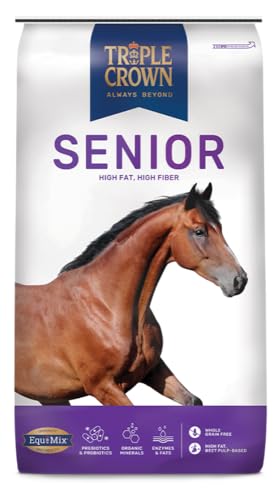
Bluebonnet Feeds Triple Crown Senior High Fat High Fiber Feed
A calorie-dense senior feed that leans on fat and fiber rather than high starch for energy.

Equine Veterinary Essentials MetaboBalance Equine Metabolic Support
Daily powder to support metabolic horses kept on a controlled low-NSC ration alongside vet care.
How NSC Is Calculated
NSC is built from laboratory measurements of a feed or forage. The standard formula is:
| Component | What It Includes |
|---|---|
| WSC (water-soluble carbohydrates) | Simple sugars and fructans |
| ESC (ethanol-soluble carbohydrates) | The subset of sugars most likely to raise blood glucose |
| Starch | Storage carbohydrate broken down to glucose |
| NSC | Usually WSC plus starch |
For the most laminitis-prone horses, many vets look at ESC plus starch, which is a more conservative figure than WSC plus starch because it focuses on the sugars that most directly raise blood glucose. Either way, the practical takeaway is the same: lower is safer for metabolic horses.
Why NSC Matters for Senior Horses
When a horse eats a high-NSC meal, sugar and starch convert quickly to blood glucose, and the body releases insulin in response. In a horse with insulin dysregulation, that insulin spike climbs too high, and high insulin is a direct trigger for laminitis. Keeping NSC low keeps those spikes small. This is why low-NSC feeding is a cornerstone of managing both PPID and EMS.
Hay Is the Biggest Piece
Forage makes up the majority of most horses' diets by weight, so hay NSC usually matters more than the concentrate. Grass hays vary widely, and some test well above a safe level. The only way to know is a forage analysis. If your hay tests high, soaking it for 30 to 60 minutes leaches out part of the soluble sugar, and discarding the soak water is essential.
Pasture is even more variable than hay. Grass sugar rises on sunny days, after frost, and during spring and fall flushes, so turnout is often the largest hidden NSC source for a metabolic horse.
Reading a Feed Tag
Not every senior feed is low in NSC. Some are formulated soft for easy chewing yet remain high in sugar and starch. For a metabolic horse, look for a feed that states a low sugar and low starch formulation, ideally with a published NSC value, and confirm it fits alongside your tested hay. Our best senior horse feed guide and feeding a Cushing's horse walk through specific choices.
This page is educational and does not replace your veterinarian or an equine nutritionist. The right NSC target depends on your individual horse and is best set with professional guidance based on testing.
Frequently Asked Questions
What does NSC mean in horse feed?
NSC stands for non-structural carbohydrates, the portion of a feed or forage made up of sugars and starch that a horse digests quickly into blood glucose. It is usually calculated as water-soluble carbohydrates (WSC) plus starch, and shown as a percentage of the feed. NSC matters most for horses with PPID, EMS, or laminitis, because high-NSC feeds spike insulin and raise founder risk.
How is NSC calculated?
The most common formula is NSC equals WSC plus starch, both measured by a forage or feed laboratory. WSC, water-soluble carbohydrates, captures simple sugars and fructans. Some labs report ESC, ethanol-soluble carbohydrates, which reflects the sugars most likely to raise blood glucose. For laminitis-prone horses, many vets look closely at ESC plus starch, an even more conservative number than WSC plus starch.
What NSC level is safe for a PPID or EMS horse?
A widely used target is keeping the total diet, hay and feed combined, under about 10 to 12 percent NSC for horses with PPID, EMS, or a laminitis history. Some high-risk horses need to stay closer to 10 percent. Because hay makes up most of the diet by weight, testing your hay is the only way to know its NSC and whether soaking is needed to lower it.
How do I lower the NSC of my horse's hay?
Soaking hay in water before feeding leaches out a portion of the water-soluble sugars. Soaking for 30 to 60 minutes can meaningfully reduce WSC, though results vary by hay type, so testing before and after is ideal. Choose mature, stemmy grass hay over rich, leafy or high-fructan hay, avoid feeding hay cut under stress, and discard the sugary soak water rather than letting the horse drink it.
Are senior feeds automatically low in NSC?
No. Many senior feeds are designed to be soft and easy to chew but are not necessarily low in sugar and starch. Some senior formulas are quite high in NSC. If your horse is metabolic, look specifically for a feed labeled low sugar and low starch with a stated NSC value, rather than assuming the word senior means safe. Always read the analysis or ask the manufacturer.
Does pasture grass count toward NSC?
Very much so. Fresh pasture can be high and highly variable in sugar, spiking on sunny days, after frost, and in spring and fall. For a metabolic horse, grazing is often the biggest hidden source of NSC. That is why management for PPID and EMS horses frequently includes restricting turnout, using a grazing muzzle, or avoiding pasture during high-sugar periods.
Is low-NSC feed needed for every senior horse?
No. A healthy older horse with normal insulin and no laminitis history does not need an ultra-low-NSC diet and may even need more calories. Low-NSC feeding is specifically important for horses with PPID, EMS, insulin dysregulation, or a laminitis history. The right NSC target depends on your individual horse, so confirm the plan with your veterinarian based on testing.
Need more help with your senior horse?
Browse our guides by topic to find practical solutions.
Senior Horse Care Kit: $24