Summer Heat Care for Senior Horses
Keep an older horse safe in hot weather: shade, hydration, electrolytes, fly protection, recognizing heat stress, and why Cushing's horses are at special risk.
Summer heat is harder on an old horse than on a young one. Senior horses regulate their body temperature less efficiently, sweat less reliably, and may carry conditions like Cushing's that leave them stuck in a heavy coat when they should be slick and cool. A hot, humid afternoon that a younger horse shrugs off can tip an older one into dangerous heat stress. With shade, water, airflow, and a few simple precautions, you can keep your senior comfortable and safe through the warmest months.
This guide covers hydration and electrolytes, shade and cooling, fly protection, the special heat risk for Cushing's horses, and how to recognize heat stress before it becomes an emergency. As always, loop in your equine veterinarian for any horse with a metabolic, heart, or breathing condition, since these change how a horse copes with heat.
Senior Horse Summer Essentials

Harrison Howard UV-Protection Fly Mask
Shields a senior's aging eyes from sun and flies with breathable mesh.

Kentucky Performance Summer Games Plus Electrolyte Paste (3 Pack)
Replaces salts lost in sweat to keep a hot-weather senior drinking and hydrated.
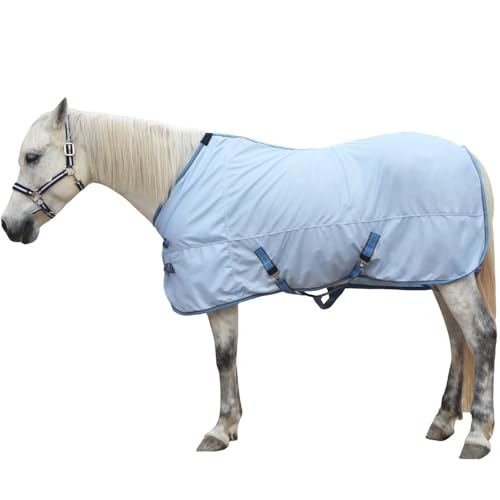
Breathable turnout sheet that blocks biting insects while letting heat escape.

Intrepid Trace Mineral Salt Brick
Free-choice salt keeps thirst and intake up during hot, sweaty weather.
Hydration comes first
Water is the foundation of summer safety. A resting horse drinks 5 to 10 gallons a day, and heat and sweating can double that. Senior horses dehydrate easily, and dehydration raises the risk of colic, so a steady supply of clean, cool water in the shade is non-negotiable. Refresh troughs and buckets often, since horses turn up their noses at warm, stale, or algae-tinged water and drink less.
On hot, sweaty days, plain water is not enough. Sweat carries away sodium, potassium, and chloride, and replacing those salts keeps a horse drinking and helps prevent fatigue and tying up. Offer free-choice salt year round and add an electrolyte supplement during heat waves or after work. Always provide water alongside electrolytes, never electrolytes alone.
Shade, airflow, and cooling
Every senior needs reliable shade through the hottest part of the day, whether a run-in shed, mature trees, or a cool barn. Airflow matters as much as shade, so position fans to move air through stalls and run-ins. Many owners flip the schedule in summer, turning horses out overnight when it is cool and bringing them into a shaded, fanned barn during the day. Choose whichever option is genuinely cooler for your setup.
Active cooling helps on the worst days. Hosing a horse with cool water and scraping off the warm runoff, then repeating, pulls heat out far faster than letting water sit on the coat. Aim the cold water at the large blood vessels on the neck, between the hind legs, and over the chest. This is also the front-line treatment if a horse begins to overheat.
The Cushing's heat risk
Horses with PPID, commonly called Cushing's, often fail to shed their winter coat and head into summer wearing a long, curly fleece. Trapped under that coat, an affected senior can overheat badly. Body clipping such a horse is one of the most effective heat-safety measures available. Work out timing and clip pattern with your vet, keep the clipped horse protected from strong sun, and watch pink skin for sunburn. A clipped Cushing's horse cools like a normal horse again, which can be the difference between comfort and a heat emergency.
Fly protection that keeps cool
Flies make summer miserable and the constant stamping wears out arthritic legs. Protect your senior without overheating it by choosing breathable products:
- UV fly mask. Shields aging eyes, which are more prone to trouble, and reduces irritation.
- Mesh fly sheet. Blocks biting insects while letting body heat escape.
- Fly repellent. Cuts down bites and the energy a horse wastes swishing and stamping.
Check under masks and sheets every day for rubs, trapped heat, and sweat buildup, especially on a thin-skinned older horse.
Recognizing heat stress
Heat stress is an emergency, and seniors reach it faster. Learn the warning signs so you can act immediately.
| Sign | What it means | Action |
|---|---|---|
| Rapid, heavy breathing that won't settle | Body struggling to shed heat | Move to shade, cool with water, call vet |
| Stopped sweating while still hot | Cooling system overwhelmed, serious | Emergency cooling, call vet immediately |
| Temperature above 103 degrees | Dangerous overheating | Cold-water hosing and scraping, vet |
| Stumbling, weakness, dullness | Heat affecting the whole body | Stop all activity, cool, call vet |
A safe summer routine
Keeping a senior comfortable in summer is mostly about planning around the heat. Provide constant shade and cool water, run fans, hose horses down on scorching days, and offer electrolytes to those that sweat. Clip the unshedding coats, protect against flies with breathable gear, and limit work to the cool hours of early morning or evening. Check on older horses more often during heat waves, and keep your vet involved for any senior with a metabolic or heart condition. With these habits, your old horse can enjoy summer turnout instead of suffering through it.
Frequently Asked Questions
Why do senior horses handle summer heat poorly?
Older horses regulate body temperature less efficiently than younger ones. Horses with Cushing's may fail to shed their winter coat and overheat in a heavy hair coat, a serious risk on hot days. Seniors also sweat less reliably, drink less when stressed, and may have heart or breathing changes that reduce heat tolerance. All of this means an old horse needs more shade, water, and airflow than it did in its prime to stay safe in summer.
How much water does a horse drink in hot weather?
A horse at rest typically drinks 5 to 10 gallons a day, and hot weather or sweating can push that to 15 gallons or more. Senior horses are especially prone to dehydration, which raises the risk of colic. Always provide clean, cool water in the shade, refresh it often so it stays appealing, and watch intake closely. Adding an electrolyte supplement on hot, sweaty days helps replace the salts lost in sweat.
Should I clip a Cushing's horse that won't shed?
Often yes. Horses with PPID, also called Cushing's, frequently keep a long, curly coat through summer and can dangerously overheat. Body clipping such a horse removes the insulating coat and lets it cool normally. Discuss timing and clip pattern with your vet, keep the clipped horse out of strong sun and protected by fly products, and monitor for sunburn on pink skin. Clipping is one of the most effective heat-safety steps for an unshedding senior.
What are the signs of heat stress in an older horse?
Watch for heavy or rapid breathing that does not settle, profuse sweating or, more worrying, a hot horse that has stopped sweating, lethargy, stumbling, a rapid heart rate, and a rectal temperature above about 103 degrees. Heat stress is an emergency. Move the horse to shade, hose it with cool water and scrape off the warm runoff repeatedly, offer water, position a fan, and call your veterinarian right away.
Do senior horses still need fly protection in heat?
Yes, and flies add to summer misery for an old horse. A UV fly mask protects aging eyes, which are more prone to problems, while a fly sheet and repellent reduce bites and the constant stamping that tires arthritic legs. Choose breathable mesh products so the horse stays cool, and check under masks and sheets daily for rubs, sweat buildup, and trapped heat, particularly on a horse with thin skin.
Is it safe to ride or work a senior horse in summer?
Light work is fine for a healthy senior in the cooler parts of the day, but avoid exercising in the heat of the afternoon. Ride early morning or evening, keep sessions short, offer water breaks, and cool the horse thoroughly afterward with a cold-water rinse. Skip work entirely on days with high heat and humidity. Older horses with heart, breathing, or metabolic conditions need their workload cleared with a vet.
How can I keep an old horse cool during a heat wave?
Provide constant access to shade and cool, clean water, run fans in barns to move air, and hose the horse down during the hottest hours. Turn out overnight and bring in during the day if your barn is cooler, or do the reverse if shade outdoors is better than a stuffy barn. Offer electrolytes for sweating horses, clip unshedding coats, and limit work. Check on seniors more often than usual during extreme heat.
Need more help with your senior horse?
Browse our guides by topic to find practical solutions.
Senior Horse Care Kit: $24