Horse Blanketing Guide by Temperature
A practical horse blanketing chart by temperature: when to use a sheet, lightweight, medium, or heavyweight blanket, plus special blanketing tips for senior horses.
Few questions stir up more debate at the barn than when to blanket a horse. The honest answer is that it depends on the individual horse, its coat, its body condition, whether it is clipped, and the wind and wet as much as the thermometer. This guide gives you a sensible temperature framework to start from, then explains how to adjust it for your own horse, with particular attention to senior horses, who often need blanketing decisions that differ from their younger pasture mates.
Use the chart and principles here as a starting point, then let your horse's comfort be the final word. When in doubt about a thin, clipped, or metabolic senior, your equine veterinarian can help you judge what that particular horse needs.
Blanketing Wardrobe Basics
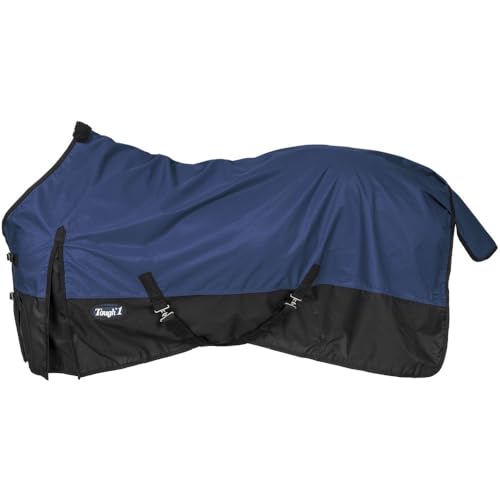
Tough 1 Turnout Rain Sheet (No Fill)
Sheds wind and rain without added warmth for mild, wet days.

Tech Equestrian 1200D Waterproof Turnout Blanket
Breathable, waterproof shell with fill for cold, wet weather.

LEAFOREST 1200D Turnout Blanket
A second weight lets you match the rug to the day's temperature.
Understanding blanket weights
Blanket warmth is described by the grams of fill, the polyfill insulation sewn inside. The more fill, the warmer the blanket. The basic categories are:
- Sheet or rain sheet. No fill. Sheds wind and rain only, with no added warmth.
- Lightweight. Around 100 grams of fill for cool days and chilly nights.
- Medium-weight. Around 200 grams for cold weather.
- Heavyweight. 300 grams or more for hard cold, wind, and clipped horses.
For turnout, any blanket exposed to weather should be waterproof and breathable. A breathable shell lets the horse's moisture escape so the horse stays dry from the inside, while the waterproof outer keeps rain out.
A temperature guide
This chart is a starting point for an average horse. Shift everything warmer for a clipped, thin, old, or coat-challenged horse, and cooler for a fuzzy, well-conditioned horse with good shelter. Wind and rain make any temperature feel colder, so add a layer in nasty weather.
| Temperature | Unclipped horse, good coat | Clipped, thin, or senior horse |
|---|---|---|
| Above 50°F | No blanket | No blanket, or rain sheet if wet |
| 40 to 50°F | No blanket | Rain sheet or lightweight |
| 30 to 40°F | No blanket or sheet if wet | Lightweight to medium |
| 20 to 30°F | Sheet or lightweight | Medium-weight |
| 10 to 20°F | Lightweight to medium | Medium to heavyweight |
| Below 10°F | Medium-weight | Heavyweight |
Why seniors are different
Many horses that never needed a blanket in their prime benefit from one in old age. Older horses regulate body temperature less efficiently, may fail to grow a dense winter coat, and often have Cushing's, which disrupts coat growth and shedding. Thin seniors and those with arthritis burn extra energy shivering, energy that would be better spent holding weight through winter. As a horse ages, reassess its blanketing needs each year rather than assuming the answer is the same as it has always been.
Avoiding common mistakes
The two big errors are over-blanketing and blanketing a wet horse. A horse rugged too heavily sweats, then chills as the dampness cools, which is worse than wearing nothing. Putting a non-waterproof blanket on a wet horse traps moisture and chills it the same way. Slip a hand under the blanket at the shoulder and loin to feel whether the horse is warm and dry, then adjust. Never assume the blanket is doing its job without checking underneath.
Let the horse be the guide
A temperature chart is a useful framework, but your horse is the real authority. Check blanketed horses at least once a day, feel for warmth, dampness, rubs, and hidden weight loss, and watch for shivering or a hunched stance that says a horse is cold. Keep a small wardrobe of a rain sheet plus a couple of fill weights so you can match the rug to the day. For senior horses, err toward warmth when they are thin or clipped, and let comfort, not the calendar, make the call.
Frequently Asked Questions
At what temperature should I blanket a senior horse?
There is no single number, because coat, body condition, clipping, shelter, and wind all matter. As a rough guide, an unclipped senior in good condition with shelter may not need a blanket until temperatures drop below about 20 to 30 degrees, while a clipped, thin, or Cushing's horse may want a blanket below 50 degrees, especially in wind or rain. Judge the individual horse by its comfort, not a fixed threshold.
What do blanket weights mean?
Blanket warmth is measured by the grams of fill, the insulating polyfill inside. A sheet or rain sheet has no fill and only sheds wind and rain. A lightweight blanket has roughly 100 grams, a medium-weight around 200 grams, and a heavyweight 300 grams or more. Higher fill means more warmth. Many owners keep a rain sheet plus a couple of fill weights so they can match the blanket to the day's conditions.
Can I over-blanket a horse?
Yes, and it is a common mistake. A horse blanketed too heavily for the temperature will sweat under the rug, then chill as the dampness cools, which is worse than no blanket at all. Over-blanketing also flattens the natural coat and can hide weight loss. Slip a hand under the blanket at the shoulder to feel whether the horse is warm and dry, neither sweaty nor cold, and adjust the weight to match the real conditions.
Should I blanket a wet horse?
Never put a non-waterproof blanket on a wet horse, as it traps moisture against the skin and chills the animal. If a horse is soaked, either let it dry first or use a breathable waterproof turnout that lets moisture escape. A cooler or wicking sheet can help a damp horse dry. For turnout in rain, only a genuinely waterproof, breathable blanket is appropriate, and you should check underneath regularly for dampness.
Why do senior horses need different blanketing?
Older horses often struggle to regulate temperature, may fail to grow a thick coat, and frequently have Cushing's, which leaves them in an unshedding coat in summer and sometimes a poor coat in winter. Thin seniors and those with arthritis spend extra energy shivering, energy better used holding weight. As a result many seniors that never needed blankets in their prime benefit from one in old age. Reassess each horse's needs as it ages.
How do I know if my horse is too cold?
Shivering is the clearest sign a horse is too cold, along with a tucked-up, hunched posture, standing with the tail to the wind, and cold ears. Feel behind the shoulder and along the loins, which should feel warm rather than chilled. A horse that is genuinely cold and wet, especially a thin or clipped senior, needs a waterproof blanket and shelter. Persistent shivering burns serious calories and warrants prompt action.
How often should I check a blanketed horse?
Check at least once a day, ideally twice. Remove or lift the blanket to feel for dampness, rubs at the shoulders and withers, and body condition, since a rug easily hides weight loss. Confirm the blanket is still sitting correctly, has not slipped or twisted, and remains waterproof in wet weather. Daily hands-on checks catch problems early and are especially important for seniors that cannot afford to lose condition.
Need more help with your senior horse?
Browse our guides by topic to find practical solutions.
Senior Horse Care Kit: $24