Best Turnout Blankets for Senior Horses 2026
Compare 6 turnout blankets and sheets for older horses in 2026: rainsheets, lightweight, medium, and heavyweight options by denier and fill, with sizing and care tips.
Older horses feel the cold in a way younger ones often do not. With age comes less body fat, declining muscle, worn teeth that limit how much warming forage a horse can process, and conditions like PPID that interfere with coat quality and temperature control. A good turnout blanket is one of the simplest ways to help a fragile senior hold condition through a hard winter, sparing the calories it would otherwise burn just staying warm. The trick is matching the right weight and toughness to your horse and climate.
We compared widely available turnout blankets and sheets using their denier (shell durability), fill weight (warmth), waterproofing and breathability claims, fit features, and the recurring themes in verified owner reviews. We did not conduct our own field tests. This is a research-based guide spanning rainsheets to heavyweights, so there is an option for mild, wet, and bitterly cold conditions. Always measure your horse, check a blanketed senior daily, and ask your vet about blanketing if your horse has PPID or other health concerns.
Best Turnout Blankets for Senior Horses 2026
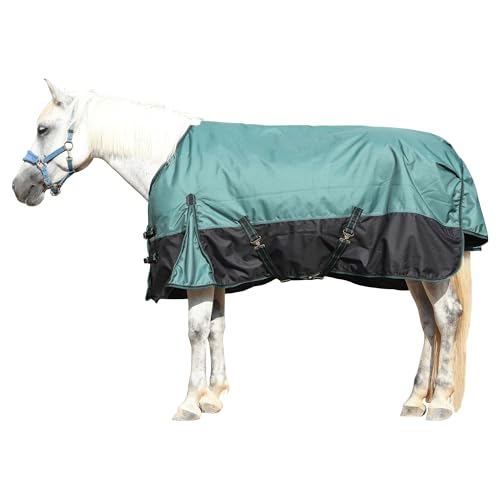
Gallopoff 1200D Medium-Weight Turnout (200g Fill)
Ripstop waterproof, breathable blanket with 200g fill for cold, snowy weather and most senior horses.
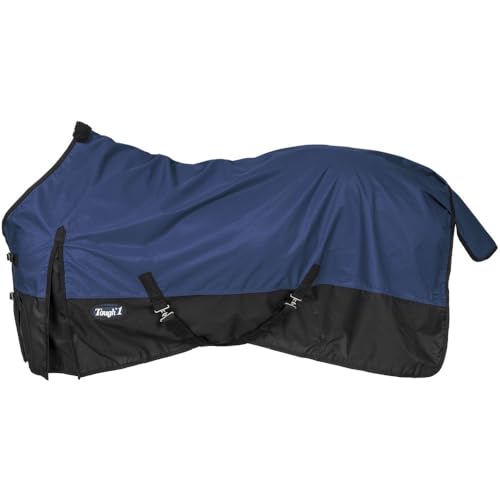
Tough 1 600D Turnout Sheet (No Fill)
Durable waterproof turnout sheet for wind and rain protection in milder weather without overheating.

Tech Equestrian 1200D Rain Sheet (Waterproof/Windproof)
Breathable, windproof rainsheet to keep a thin-coated senior dry on wet, blustery days.

Challenger 1200D Heavy-Weight Turnout (300g Fill)
Heavyweight ripstop blanket with 300g fill for clipped or hard-keeping seniors in deep cold.

Majestic Ally 600D Heavyweight Turnout (250g Fill)
Ripstop nylon heavyweight blanket with belly band for warmth and weather protection in winter.

Barn & Stable 420D Lightweight Turnout Sheet (No Fill)
Water-resistant, breathable lightweight sheet with anti-rub fleece for spring and mild weather.
How Do These Blankets Compare?
| Blanket | Denier | Fill | Best For |
|---|---|---|---|
| Gallopoff Medium-Weight | 1200D | 200g (medium) | All-round cold weather |
| Tough1 Turnout Sheet | 600D | 0g (sheet) | Rain and wind, mild temps |
| Tech Equestrian Rain Sheet | 1200D | 0g (sheet) | Wet, windy days |
| Challenger Heavy-Weight | 1200D | 300g (heavy) | Deep cold, clipped horses |
| Majestic Ally Heavyweight | 600D | 250g (heavy) | Hard keepers in winter |
| Barn & Stable Lightweight | 420D | 0g (light) | Spring and mild weather |
How We Picked These Blankets
This is a research-based comparison, not a field trial. We looked at each blanket's denier rating for durability, its fill weight for warmth, its waterproofing and breathability claims, fit features like belly bands and anti-rub linings, and the consistent patterns in verified owner reviews. We deliberately spread the picks across the warmth spectrum, from a no-fill rainsheet to a 300g heavyweight, because the right blanket depends entirely on your climate and your individual horse. We favored fully waterproof, breathable construction for the insulated options, sensible durability for turnout, and a range of price points. Fit and daily monitoring matter more than any brand, so measure carefully and check your horse often.
A Closer Look at Each Blanket
Gallopoff 1200D Medium-Weight Turnout (200g)
This is our top pick because 200g of fill in a tough 1200D ripstop, waterproof, breathable shell suits the widest range of senior horses and climates. Medium weight is the workhorse of a blanket wardrobe: warm enough for genuine winter cold without cooking a horse the moment the sun comes out. The durable shell stands up to pasture life, and the waterproof breathable construction keeps a thin-coated older horse dry while letting body moisture escape. For most owners buying one blanket for a senior, this is the sensible default.
Pros: Versatile 200g warmth, tough 1200D shell, waterproof and breathable.
Cons: May be too warm for mild climates and not enough for extreme cold.
Tough1 600D Turnout Sheet
Sometimes a horse needs protection from rain and wind without added insulation, and a turnout sheet fills that gap. This 600D waterproof sheet keeps an older horse dry and shielded from chilling wind during mild but wet weather, where a filled blanket would cause sweating. It is a useful layer in shoulder seasons or for a horse that grows a decent coat but still needs help staying dry. The 600D shell offers reasonable durability for everyday turnout at a friendly price.
Pros: Rain and wind protection without overheating, affordable, decent durability.
Cons: No insulation; not for genuinely cold conditions.
Tech Equestrian 1200D Rain Sheet
A step up in shell toughness, this 1200D rainsheet emphasizes waterproof, breathable, windproof protection for the wet and blustery days that chill a thin-coated senior to the bone. The higher denier resists tears better than a 600D sheet, which suits horses turned out with company or near rough fencing. Like any sheet it carries no fill, so it is about keeping the horse dry and out of the wind rather than adding warmth. It pairs well with a separate filled blanket for owners who layer by conditions.
Pros: Tough 1200D shell, windproof and breathable, good rain protection.
Cons: No warmth; needs a filled option for cold snaps.
Challenger 1200D Heavy-Weight Turnout (300g)
When winter turns genuinely brutal, or when a horse is body-clipped or a stubborn hard keeper, 300g of fill in a rugged 1200D waterproof shell delivers serious warmth. This is the blanket for the coldest nights, deep snow, and the fragile old horse that simply cannot hold heat on its own. The heavy fill traps warmth effectively, so the key is to remove or swap it when temperatures climb, since a 300g blanket on a mild day will leave a horse sweating. For harsh climates it is a worthwhile investment in a senior's comfort.
Pros: Maximum warmth, tough 1200D shell, ideal for clipped or cold-sensitive seniors.
Cons: Too warm for mild days; needs careful temperature management.
Majestic Ally 600D Heavyweight Turnout (250g)
This heavyweight pairs 250g of fill with a ripstop 600D shell and a belly band for added coverage and security. It targets the hard-keeping senior that needs substantial warmth through winter, sitting just below the 300g option in heat retention. The belly band helps keep the blanket stable and adds protection underneath, which some owners value for windy, exposed turnout. As a 600D shell it is a bit less abrasion-resistant than the 1200D heavyweights, so it suits calmer turnout situations and cold-climate seniors well.
Pros: Strong 250g warmth, belly band for coverage, secure fit.
Cons: 600D shell is less rugged than 1200D for rough turnout.
Barn & Stable 420D Lightweight Turnout Sheet
For spring, fall, and mild but damp days, this lightweight 420D sheet with anti-rub fleece at the withers offers gentle water-resistant, breathable coverage. It is the lightest option here, meant to take the edge off chilly mornings and light showers rather than to battle winter. The anti-rub fleece is a thoughtful touch for sensitive older skin and thin coats prone to shoulder rubs. As a water-resistant rather than fully waterproof sheet, it is best for light wet weather, not sustained downpours.
Pros: Light and breathable, anti-rub fleece for sensitive skin, budget-friendly.
Cons: Only water-resistant; not for heavy rain or cold.
Blanketing an Older Horse Safely
A blanket helps only when it fits and is managed well. Keep these senior-specific points in mind.
- Measure, do not guess. Run a tape from chest center to tail center. Re-measure seniors whose body shape has changed, and size up if between sizes for shoulder freedom.
- Match fill to conditions. Use a sheet or light fill for mild weather and heavier fill for deep cold, and be ready to change as the weather swings.
- Check daily and look underneath. A blanket hides weight loss, rubs, and skin issues. Open it every day to feel the body and adjust straps.
- Avoid sweating and chilling. A horse damp under too much fill can get cold, so aim for comfortable, not hot.
- Mind PPID coats and skin. Long, abnormal coats trap moisture, so monitor the skin closely and follow your vet's clipping and blanketing advice.
Blanketing supports, but does not replace, good basic care: shelter, plenty of forage, and veterinary attention for a horse losing condition. This guide is educational and complements, but does not replace, professional advice from your vet.
Related Senior Horse Guides
Frequently Asked Questions
Do senior horses need a turnout blanket?
Many do, even if they never needed one when younger. Older horses often have less body fat, reduced muscle, worn teeth that limit the hay they can ferment for warmth, and conditions like PPID that impair coat and thermoregulation. A clipped senior, a hard keeper, or a horse in cold, wet, windy weather benefits most. A healthy, unclipped older horse with shelter and plenty of forage may not need one. Decide based on your individual horse, your climate, and your vet's input rather than age alone.
What do denier and fill mean on a turnout blanket?
Denier (like 600D or 1200D) measures the toughness of the outer shell fabric, with higher numbers being more tear and abrasion resistant, which matters for rowdy pasture mates and rough fencing. Fill, measured in grams (such as 200g or 300g), is the insulation inside: 0g is a rainsheet, around 100 to 150g is lightweight, 200g is medium, and 300g and up is heavyweight. Choose denier for durability and fill for warmth, matching the fill to your climate and how much your horse feels the cold.
How do I measure my horse for a blanket?
Use a soft tape measure and run it from the center of the chest, along the side of the body at the widest point, to the center of the tail. That measurement in inches is the blanket size most brands use. If your horse falls between sizes, going up is usually safer for comfort and shoulder freedom, though a too-large blanket can slip. Senior horses with changed body shape should be re-measured rather than assumed to wear their old size.
How often should I check a blanketed senior horse?
Check at least once a day, and twice in changeable weather. Remove or open the blanket regularly to feel the body underneath, because a blanket can hide weight loss, rubs, sores, and skin problems that are easy to miss on a covered horse. Make sure the horse is not sweating under too much fill or shivering under too little, that straps are adjusted and not rubbing, and that the blanket is dry inside. Daily hands-on checks matter even more for fragile older horses.
Should I blanket a horse with Cushing's (PPID)?
Often yes, with care. PPID horses frequently grow long, abnormal coats that do not shed properly and can struggle to regulate temperature, and some are body-clipped in warmer months to stay comfortable, which then leaves them needing blankets when it turns cold. The flip side is that a heavy coat can trap sweat and moisture, so monitoring is key. Work with your vet on a clipping and blanketing plan for a PPID horse, and check the skin underneath often, since these horses are prone to skin and coat problems.
Can a horse wear a turnout blanket in the rain?
Yes, that is exactly what a turnout blanket is designed for, as long as it is genuinely waterproof rather than only water-resistant. A waterproof, breathable turnout keeps a clipped or thin-coated horse dry and warm in rain, sleet, and snow, while breathability lets body moisture escape so the horse does not get damp from the inside. A water-resistant sheet handles light showers but soaks through in sustained rain. For a wet climate, choose a fully waterproof, breathable blanket and check that the inside stays dry.
Need more help with your senior horse?
Browse our guides by topic to find practical solutions.
Senior Horse Care Kit: $24