Best Automatic Waterers for Horses 2026
Compare 6 automatic horse waterers for 2026 that keep fresh water flowing for senior horses, with float-valve, freeze, cleaning, and intake-monitoring guidance.
Hydration is a quiet priority in senior horse care. Older horses have slower digestion and often worn teeth, which raises the risk of impaction colic when water intake dips, and that risk climbs in winter when horses naturally drink less. An automatic waterer keeps clean, fresh water available around the clock, which encourages steady drinking far better than a stale, algae-clouded trough. The convenience is real, especially across multiple stalls or a busy paddock. The trade-off is visibility: a silently refilling bowl hides how much your horse actually drinks, so for a senior you are watching closely, you need a plan to confirm intake.
We compared widely available automatic waterers by float-valve design, capacity, build quality, cleaning features, and the patterns in verified owner reviews. We did not run our own trials. This research-based guide covers established float-controlled livestock waterers and several compact bowl options, so you can match a unit to your setup. We weighed durability and ease of cleaning heavily, since a flimsy or dirty bowl undermines the whole point. Two themes run throughout: most basic models are unheated, so cold climates need freeze protection, and every automatic waterer should be paired with a way to monitor a senior's drinking.
Best Automatic Waterers for Horses 2026

Little Giant Little Giant DuraMate Waterer
Float-controlled automatic waterer from a trusted brand, delivering fresh water on demand.

Little Giant Little Giant DuraMate (Alt Color)
Same dependable float-valve DuraMate waterer in an alternate color for stall or paddock.

COMVIEE COMVIEE Stainless Steel Waterer
Durable 304 stainless steel bowl that resists algae and cleans up easily for horses.

MINYULUA MINYULUA Large Horse Waterer
Large float-valve bowl with drain plug for easy cleaning and steady refills.
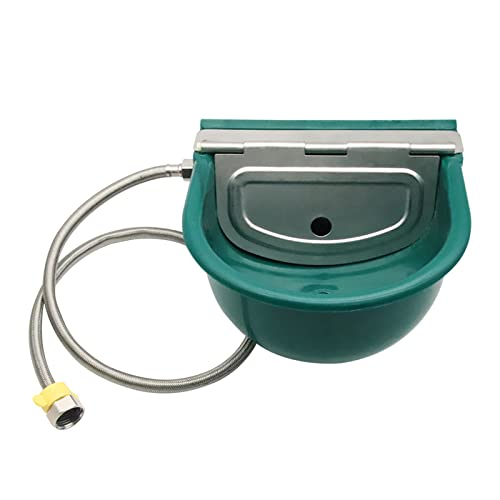
Achicklead Achicklead Livestock Waterer
Float-controlled outdoor bowl for cattle, horses, and goats, simple and budget-friendly.

Little Giant Little Giant DuraMate Waterer (3rd)
Additional DuraMate float-controlled waterer option for multi-stall barns.
How Do These Waterers Compare?
| Waterer | Material | Type | Best For |
|---|---|---|---|
| Little Giant DuraMate | Polymer | Float-controlled | Trusted everyday pick |
| DuraMate (Alt Color) | Polymer | Float-controlled | Stall or paddock |
| COMVIEE Stainless | 304 stainless | Float bowl | Algae resistance |
| MINYULUA Large | Plastic | Float, drain plug | Budget large bowl |
| Achicklead | Plastic | Float-controlled | Outdoor livestock |
| DuraMate (3rd) | Polymer | Float-controlled | Multi-stall barns |
How We Picked These Waterers
We focused on what keeps a senior drinking reliably: a dependable float valve, adequate capacity for a horse's intake, sturdy material that survives leaning and nudging, easy cleaning to keep water fresh, and the patterns in verified owner reviews. We chose a spread from established Little Giant float-controlled units to a stainless steel bowl and budget livestock options, so different setups and budgets are covered. We did not test these ourselves. We noted where a product is a general livestock waterer rather than horse-specific, and we flag two constants in our picks: cold climates need freeze protection, and every automatic waterer should be paired with a way to monitor intake.
A Closer Look at Each Waterer
Little Giant DuraMate Automatic Waterer
The Little Giant DuraMate is our top pick because Little Giant is a long-trusted farm brand and the DuraMate is a proven float-controlled waterer that delivers fresh water on demand without electricity. The reliable float valve keeps the bowl at a steady, drinkable level, and the durable polymer housing handles barn life. For an owner who wants a dependable, widely available unit for a senior's stall or paddock, it is a safe, established choice. Remember it is unheated, so plan freeze protection in winter, and keep an eye on your horse's intake since the bowl refills silently.
Pros: Trusted brand, reliable float valve, durable polymer, no electricity needed.
Cons: Unheated, hides intake amount, needs regular float cleaning.
Little Giant DuraMate (Alternate Color)
This is the same dependable DuraMate float-valve waterer in a different color, handy for matching barn aesthetics or simply whatever is in stock. The performance is identical: steady fresh water from a proven float design in a sturdy housing. For a multi-stall barn, having color options helps you keep setups consistent or color-code locations. Everything that makes the top pick a solid choice applies here, including the same cautions. It is unheated, so protect it from freezing in cold weather, and pair it with periodic bucket checks or a flow meter to track how much your senior drinks.
Pros: Same proven design, color choice, durable, reliable refills.
Cons: Unheated, intake not visible, routine cleaning required.
COMVIEE Stainless Steel Waterer
The COMVIEE bowl is built from 304 stainless steel, which resists algae and cleans up more easily than many plastics, a genuine advantage for keeping water fresh and inviting. For a senior you want drinking well, a bowl that stays clean with less scrubbing helps. The stainless construction is also durable against a horse that leans and nudges. It is sold as a general animal waterer, so confirm the capacity and mounting suit a horse's intake. As with all these bowls, it is unheated and refills silently, so add freeze protection in winter and a way to monitor drinking.
Pros: Algae-resistant stainless steel, easy to clean, durable, fresh water.
Cons: General livestock design, unheated, check capacity for horse intake.
MINYULUA Large Horse Waterer
The MINYULUA is our value pick, a large float-valve bowl with a drain plug that makes cleaning quick, at the lowest price here. The bigger bowl suits a horse's drinking volume, and the drain plug means you can empty, rinse, and refresh it in seconds, which encourages a senior to keep drinking. At this price it is an easy entry into automatic watering or a spare for a second location. The build is budget plastic, so handle it accordingly, keep it clean, and remember the universal cautions: protect from freezing and monitor your horse's intake since the bowl hides it.
Pros: Low price, large bowl, drain plug for easy cleaning, steady refills.
Cons: Budget plastic build, unheated, intake not visible.
Achicklead Livestock Waterer
The Achicklead is a simple float-controlled outdoor bowl marketed for cattle, horses, goats, and other stock, a budget-friendly way to add automatic water to a paddock. The float valve keeps it topped up, and the outdoor design handles pasture use. Because it is a general livestock product, check that the capacity and refill rate keep up with a horse drinking large amounts, and that the housing is sturdy enough for a horse's nudging. It is unheated like the others, so freeze protection is essential in winter, and you will still want to confirm your senior's intake separately.
Pros: Inexpensive, float-controlled, outdoor-ready, multi-species use.
Cons: General livestock build, verify horse capacity, unheated.
Little Giant DuraMate Waterer (Third Option)
This additional DuraMate listing rounds out the Little Giant options for owners outfitting multiple stalls who want consistent, proven units across the barn. Buying the same reliable float-controlled model everywhere simplifies maintenance, since the float, valve, and cleaning routine are identical at every station. The performance and durability match the other DuraMate picks. For a multi-horse senior barn, standardizing on one trusted waterer reduces surprises. The same rules apply across all of them: they are unheated, so winterize, and because each bowl refills quietly, build intake monitoring into your daily checks for every senior.
Pros: Consistent proven design, good for multi-stall barns, durable, reliable.
Cons: Unheated, hides intake, regular float maintenance needed.
Using an Automatic Waterer Safely With a Senior
Convenience should not cost you visibility or safety. Cover these bases:
- Monitor intake. Pair the waterer with periodic bucket checks or a flow meter so you notice if your senior drinks less, an early sign of colic or illness.
- Protect against freezing. In cold climates, use a heated unit or add a trough heater and frost-free plumbing, and check daily that water is flowing.
- Keep it clean. Wipe the bowl daily and scrub it weekly to clear algae and dropped feed, since a clean bowl invites steady drinking.
- Check the float. Clean and inspect the float and valve so they refill correctly and do not stick, overflow, or leave the bowl dry.
- Have a backup. Keep buckets and a water-hauling plan ready for power outages, deep freezes, or a failed valve.
This guide is educational and based on research into product specifications and verified owner reviews rather than hands-on testing. Automatic waterers support steady hydration, but they reduce your view of how much a senior drinks, so monitor intake and watch for signs of colic. If your horse suddenly drinks much less or shows signs of dehydration or colic, contact your veterinarian promptly.
Related Senior Horse Guides
Frequently Asked Questions
Do automatic waterers help keep senior horses hydrated?
They can, by offering constant access to fresh water, which encourages steady drinking and lowers the risk of impaction colic, a real concern for seniors with slower guts and worn teeth. Fresh, clean water is more appealing than a stale, algae-tinged trough, so horses tend to drink more. The catch is that automatic waterers hide how much each horse drinks. For a senior you are monitoring, that visibility matters, so many owners pair a waterer with periodic bucket checks or a flow meter to confirm intake, especially during illness or cold snaps when drinking can drop.
What is the main downside of an automatic waterer?
You lose easy visibility of how much your horse drinks. With buckets, a sudden drop in water consumption is an early warning of colic, illness, dental pain, or a water-quality problem. A float-controlled bowl that refills silently masks that signal. For a senior, where early detection matters most, this is the key trade-off. Owners manage it by checking the bowl works, watching manure and attitude, and occasionally switching back to a measured bucket to gauge intake. Automatic waterers also need cleaning and, in winter, freeze protection, so they are convenient but not maintenance-free.
How do float-controlled waterers work?
A float valve, like the one in a toilet tank, holds water at a set level in the bowl. As the horse drinks and the level drops, the float falls and opens the valve to refill, then closes when the level is restored. This keeps fresh water available continuously without electricity in the basic models. The bowl stays at a steady, drinkable level, and the horse gets clean water on demand. The float and valve are the parts that need occasional cleaning and adjustment, since debris or a stuck float can cause overflow or a dry bowl, so check them regularly.
Will an automatic waterer freeze in winter?
Basic float-controlled bowls can freeze in cold climates unless they are heated, insulated, or fed by a frost-free supply line. Freezing is dangerous because a senior that cannot drink is at risk of impaction colic, and winter is exactly when intake already tends to fall. In cold regions, choose a heated automatic waterer or add a trough heater and protected plumbing, and check daily that water is flowing and unfrozen. Always have a backup plan, such as hauling water, for power outages or deep cold. Never assume an unheated waterer will stay open through a hard freeze.
How do I keep an automatic waterer clean?
Scrub the bowl regularly to remove algae, dropped feed, and slobber, since horses are messy drinkers and a dirty bowl discourages drinking and can harbor bacteria. Most bowls have a drain plug to empty and rinse them quickly. Check and clean the float and valve so they keep working and do not stick. Stainless steel bowls resist algae and clean up more easily than some plastics. A clean, fresh bowl is more inviting, which matters for a senior you want drinking well, so build a quick daily wipe and a deeper weekly scrub into your routine.
Are these horse-specific or general livestock waterers?
Many float-controlled waterers are sold as general livestock products for cattle, horses, goats, and other stock, while some are sized and built specifically for horses. Either can work, but check the capacity, mounting, and durability suit a horse that leans, nudges, and drinks large volumes. A bowl built for small animals may refill too slowly or be too flimsy for a horse. Look at the gallon capacity, the strength of the housing, and how securely it mounts. For a senior drinking steadily through the day, choose a model rated for horse-sized intake and sturdy enough for stall or paddock use.
Need more help with your senior horse?
Browse our guides by topic to find practical solutions.
Senior Horse Care Kit: $24