The Real Cost of Owning a Senior Horse
A clear breakdown of what a senior horse costs each year: board, hay, farrier, dental, vet, supplements, insurance, and emergencies, with real US dollar ranges.
Owning an older horse is one of the great quiet joys of horsemanship, but it is rarely the cheapest chapter of a horse's life. As horses move past fifteen, the bills shift: less spent on training and competition, more spent on dental care, specialized feed, supplements, and the occasional vet workup. Knowing those numbers in advance keeps the cost from sneaking up on you and helps you give your senior the care he has earned.
This guide lays out the real annual and monthly cost of keeping a senior horse in the United States, line by line, with honest dollar ranges. Use it to build a plan, then run your own figures through our cost calculator to see where your horse lands. If you are not sure exactly how old your horse is in human terms, the horse age calculator can help you frame where he sits in his senior years.
Everyday Essentials for a Senior Horse

Purina Purina Active Senior Horse Feed
Complete senior feed for older horses with worn teeth and changing needs
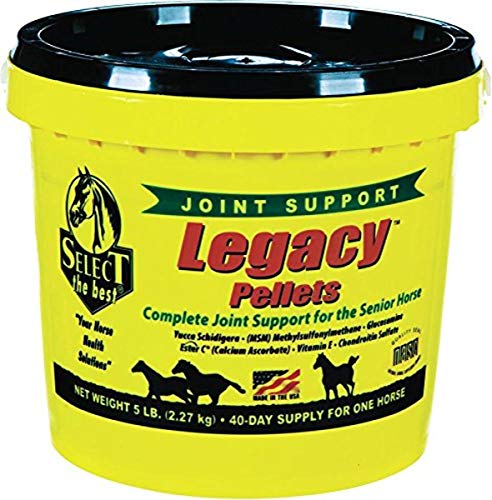
RICHDEL RICHDEL Legacy Joint Support Pellets
Daily joint support to keep stiff senior horses moving comfortably

Formula 707 Formula 707 Digestive Health Probiotics
Probiotic support for aging guts prone to upset and poor absorption
The Two Big Costs: Board and Forage
Before the smaller line items, two costs dominate almost every senior horse budget. The first is board, if your horse lives away from home. Rough pasture board can start near 200 dollars a month, self-care board lands around 250 to 450 dollars, and full-care stall board commonly runs 500 to 1,200 dollars or more in higher-cost regions. The second is forage. A senior horse eats roughly 1.5 to 2 percent of his body weight in hay or forage daily, which for a 1,000-pound horse means 15 to 20 pounds a day. Depending on hay prices, that adds up to 150 to 400 dollars a month, and more in a drought year when good grass hay grows scarce.
Annual Cost Breakdown
The table below gives realistic United States ranges for a senior horse. Your figures will vary with region, your horse's health, and whether you keep him at home or board.
| Expense | Typical Annual Range | Notes |
|---|---|---|
| Board (if boarding) | $2,400 to $14,400 | Pasture board low, full-care stall high |
| Hay and forage (home-kept) | $1,200 to $3,600 | Often the top cost if you own land |
| Senior or low-sugar feed | $600 to $2,000 | Higher for hard keepers and PPID horses |
| Farrier (trims or shoes) | $500 to $1,800 | Every 6 to 8 weeks; shoes cost more |
| Routine vet and vaccines | $300 to $700 | Spring and fall shots, exam, Coggins |
| Dental floats | $150 to $400 | Often twice a year for seniors |
| PPID testing and meds | $0 to $1,200 | Only if diagnosed; ACTH plus pergolide |
| Supplements | $200 to $900 | Joint, digestive, hoof, metabolic |
| Deworming | $60 to $150 | Fecal-guided in older horses |
| Insurance (optional) | $0 to $1,000 | Major medical or mortality |
| Emergency fund | $600 to $1,800 | Set aside monthly toward surprises |
Feed and Forage in More Detail
Feeding is where senior horses quietly diverge from younger ones. A horse with healthy teeth in light work may need nothing more than good hay and a ration balancer, keeping monthly feed costs modest. A senior whose molars have worn down can no longer chew long-stem hay efficiently, so he depends on a complete senior feed designed to be soaked into a mash. These feeds run roughly 25 to 70 dollars per bag, and a hard keeper can go through a bag or more each week.
Layer supplements on top based on need. Joint support helps the stiff, arthritic senior stay sound enough for turnout and light riding. A digestive supplement steadies an older gut that absorbs nutrients less efficiently than it once did. A hoof supplement with biotin supports horses with crumbling, slow-growing feet. None of these is mandatory, but most senior owners run at least one or two, adding 20 to 75 dollars a month.
Hard Keepers Cost More, Period
It is worth saying plainly: hard keepers are the most expensive horses to own. A hard keeper is a horse that struggles to hold weight, often because of dental loss, PPID, parasite damage, or simply genetics. Keeping condition on these horses takes more feed, more supplements, soaked beet pulp or alfalfa, and sometimes a weight-gain product, easily 50 to 150 dollars a month above an easy keeper. If you are evaluating a senior horse and he is already thin and toothless, build that ongoing cost into your decision before you commit.
Routine Care That Pays for Itself
Three recurring costs save money over time by preventing crises:
- Dental floats: Seniors often need teeth floated once or twice a year at 150 to 250 dollars per visit. Skipping it leads to quidding, weight loss, and choke, all far costlier.
- Farrier visits: Trims every six to eight weeks at 45 to 75 dollars keep arthritic legs balanced and head off laminitis-related lameness.
- Vaccines and Coggins: Spring and fall visits protect against preventable disease for a few hundred dollars a year.
Cutting any of these to save money almost always backfires with a larger bill down the road.
Putting It All Together
Add the lines up and a boarded senior horse commonly lands somewhere between 6,000 and 14,000 dollars a year, while a healthy home-kept senior on owned land can sometimes be managed for 4,000 to 7,000 dollars once you account for hay, feed, farrier, and routine vet care. The single biggest swing factors are board, regional hay prices, and whether your horse carries age-related conditions like PPID or significant dental loss.
The honest takeaway is that senior horses are not cheap, but their costs are predictable and plannable. Build a monthly budget, fund an emergency cushion, and keep up with dental and hoof care, and you can give an aging horse a comfortable retirement without financial surprises. Run your own numbers through the cost calculator to see where your horse fits, and talk with your vet and farrier about which preventive spending matters most for his particular age and health.
Related Senior Horse Planning Guides
- Senior Horse Vet Costs - What to budget for routine and emergency veterinary care.
- Budgeting for a Senior Horse - Build a monthly plan and sinking funds.
- Equine Insurance for Senior Horses - Whether coverage makes sense for an older horse.
- Retirement Board vs Keeping at Home - Comparing the two main ways to house a senior.
Frequently Asked Questions
How much does it cost to own a senior horse per year?
For most owners in the United States, a senior horse costs roughly 4,000 to 12,000 dollars a year, with boarded horses at the higher end and home-kept horses lower if you already own land. The big variables are board, hay prices in your region, and how many age-related conditions your horse carries. A healthy fifteen-year-old in a backyard setting can be quite affordable, while a hard keeper with PPID and dental loss climbs quickly toward the top of that range.
Why do senior horses cost more than younger horses?
Older horses tend to need more frequent dental work, extra diagnostics like ACTH testing for PPID, joint and digestive supplements, and often a pricier senior or low-sugar feed because worn teeth cannot chew long-stem hay well. Many also need ration adjustments to hold weight. None of these costs are dramatic alone, but together they add a few thousand dollars a year compared with an easy-keeping younger horse in light work.
What is the single biggest cost of horse ownership?
Board is almost always the largest line item for horses kept away from home, ranging from about 200 dollars a month for rough pasture board to 1,200 dollars or more for full-care stalls in expensive areas. For home-kept horses, hay and forage usually take the top spot, especially in drought years when good grass hay can cross 12 to 20 dollars a bale. Everything else, including vet and farrier, typically trails these two.
How much should I budget for senior horse emergencies?
Set aside an emergency fund of at least 2,000 to 5,000 dollars, and more if you would pursue colic surgery, which commonly runs 7,000 to 12,000 dollars. Senior horses face higher odds of colic, choke, and laminitis flares, and after-hours vet visits carry premium fees. A dedicated sinking fund, or major medical insurance, keeps a midnight emergency from becoming an impossible choice. Many owners contribute 50 to 150 dollars a month toward this cushion.
Are hard keepers more expensive to feed?
Yes, noticeably. A hard keeper, often a senior with worn teeth or PPID, may need several pounds of senior feed daily plus a weight-gain supplement, soaked beet pulp, or extra hay, easily adding 50 to 150 dollars a month over an easy keeper that thrives on grass and a ration balancer. Dental loss compounds this because the horse can no longer extract calories from pasture and long-stem hay efficiently and depends on processed feeds.
Can I reduce the cost of keeping an older horse safely?
You can trim costs without cutting corners by buying hay in bulk before winter, sharing farrier and vet trip fees with barnmates, learning to give routine vaccines your vet approves, and using a slow feeder to reduce waste. What you should not cut is dental care, PPID medication, or hoof trims, because skimping there leads to far larger bills later. Spend on prevention and you spend less on crises.
Need more help with your senior horse?
Browse our guides by topic to find practical solutions.
Senior Horse Care Kit: $24