Hydration for Senior Horses: Preventing Colic
How to keep an older horse drinking enough: winter water tips, salt and electrolytes, soaked feed for hydration, dehydration checks, and preventing impaction colic.
Water is the nutrient that is easiest to overlook and the most dangerous to get wrong. An older horse that drinks too little is on a direct path to impaction colic, where dried-out gut contents form a blockage. Seniors are especially vulnerable because they often drink less than they should and digest less efficiently than they once did. The good news is that hydration is largely manageable with simple, low-cost habits: keep water palatable, add salt, lean on soaked feed, and watch intake closely, especially in winter.
This guide covers how much water a senior needs, the winter problem that drives so much colic, how to recognize dehydration, and the practical tools that keep an old horse drinking. When in doubt about a horse that is off water or showing colic signs, call your veterinarian without delay.
Hydration Toolkit

Farnam Apple Elite Electrolyte Supplement
Replaces minerals lost in sweat and encourages drinking
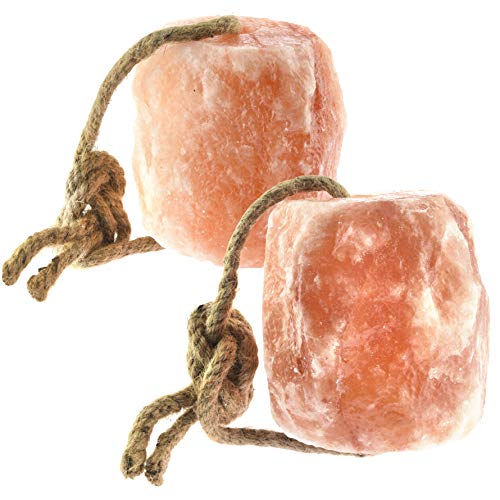
UMAID Himalayan Salt Lick on Rope
Year-round salt access to encourage steady water intake

Farm Innovators Heated Water Bucket, 16 Gallon
Keeps winter water palatable so horses keep drinking

British Horse Feeds Speedi-Beet Beet Pulp
Soak into a mash to add water to the diet for under-drinkers
How Much Water a Senior Needs
A typical adult horse drinks roughly 5 to 10 gallons of water a day, and that climbs with heat, work, sweating, lactation, and dry-hay diets. The exact figure matters less than the principle: clean, palatable water should be available free-choice at all times, and you should know your horse is actually using it. Older horses have a worrying tendency to drink too little, so hydration is not something to assume. Soaked feed and succulent forage like grass contribute water too, which is why a winter diet of dry hay raises the stakes.
The Winter Problem
Winter creates a dangerous mismatch. Cold or near-frozen water is unappealing, so horses drink less of it, right when their diet shifts to dry hay that needs more water to digest. Intake should rise, but it falls instead, and the result is one of the most common causes of impaction colic in older horses. Breaking that pattern is the single most valuable thing you can do for a senior's gut in cold weather. The tools are straightforward:
- Warm the water: Horses drink more when water is above freezing. Heated buckets and tank de-icers keep it palatable.
- Feed soaked mashes: A warm mash adds water directly and is doubly welcome in cold weather.
- Offer salt: Salt drives thirst, nudging a reluctant winter drinker toward the bucket.
Recognizing Dehydration
Two quick field checks help you catch dehydration early. The skin-pinch test: pinch and release the skin over the point of the shoulder and watch how fast it flattens, since a slow return suggests dehydration. The capillary refill test: press a finger on the gums above a tooth and look for the pink color to return within about two seconds. Dry or tacky gums, sunken eyes, reduced or dry manure, and unusual lethargy round out the picture. In an older horse, any real suspicion of dehydration warrants a call to your vet, since it can tip into colic.
Salt and Electrolytes
Salt is the cheapest hydration tool you have. Because salt drives thirst, providing a salt block or top-dressing loose salt on feed encourages a horse to drink more, which is valuable year-round and especially in winter. Most horses benefit from plain salt access all the time. Electrolytes go further when a horse is sweating heavily in heat or work, replacing the sodium, potassium, calcium, and magnesium lost in sweat. The key rule with either is to always pair added salt or electrolytes with plenty of clean water, so the horse can act on the thirst you have created. Our roundup of the best electrolytes for horses compares options.
Soaked Feed as a Hydration Tool
One of the most reliable ways to get water into an under-drinking senior is through its feed. A generous soaked mash can add a gallon or more of water to the daily diet without the horse choosing to drink it. Soaking hay pellets, cubes, beet pulp, or a complete senior feed into a wet mash supports gut motility and lowers impaction risk, while also being easier on a worn mouth. For a horse that simply will not drink enough in winter, this is often the most dependable fix. Our guide to soaked feed for senior horses covers the technique in detail.
Keep Water Clean and Accessible
Horses are fussy about water, and a senior that finds its water dirty, stale, or hard to reach will simply drink less. Scrub buckets and troughs regularly, keep them topped up, and make sure an arthritic old horse can reach the water comfortably without stretching or competing with herd-mates. Multiple water sources reduce the chance a timid senior gets bullied away from drinking. Small details of palatability and access add up to real differences in daily intake.
The Bottom Line
Hydration is front-line colic prevention for older horses. Provide clean, palatable water free-choice, know that your senior is using it, and pay special attention in winter, when cold water and dry hay conspire to cut intake just as needs rise. Warm the water, feed soaked mashes, and offer salt to keep an old horse drinking, learn the quick dehydration checks, and add electrolytes when sweating is heavy. Keep water clean and easy to reach, and call your vet at the first sign of dehydration or colic. Steady water intake is one of the simplest ways to protect an aging gut.
Hydration Quick Links
- Himalayan Salt Lick - encourages year-round drinking
- Heated Water Bucket - keeps winter water palatable
- Farnam Apple Elite Electrolyte Powder - sugar-free electrolytes
Related Guides
- Soaked Feed for Senior Horses - Adding water through the diet.
- Best Electrolytes for Horses - Replacing minerals lost in sweat.
- Senior Horse Feeding Schedule - Winter routines that protect the gut.
Frequently Asked Questions
How much water does a senior horse need each day?
A typical adult horse drinks roughly 5 to 10 gallons a day, and more in heat, work, or when eating lots of dry hay. Older horses are prone to drinking too little, which raises the risk of impaction colic. Needs rise with hot weather, lactation, heavy hay diets, and sweating, and they can be partly met through soaked feed and succulent forage. Always provide clean, palatable water free-choice, and watch that your senior is actually using it.
Why do senior horses drink less in winter?
Cold or near-frozen water is unappealing, and horses simply drink less of it, sometimes dangerously little. At the same time winter diets shift toward dry hay, which needs more water to digest, so intake should rise just as it tends to fall. This mismatch is a leading cause of winter impaction colic in older horses. Offering warmed water, adding salt to encourage drinking, and feeding soaked mashes all help close the gap.
How can I tell if my horse is dehydrated?
Two quick field checks help. Pinch and release the skin on the point of the shoulder, and watch how fast it flattens, since slow return suggests dehydration. Press a finger on the gums above a tooth, and look for the pink color to return within about two seconds. Dry or tacky gums, sunken eyes, reduced manure, and lethargy are other signs. Any suspicion of dehydration in an older horse warrants a call to your vet.
Does adding salt help a horse drink more?
Yes. Salt drives thirst, so providing a salt block or top-dressing loose salt on feed encourages a horse to drink more, which is especially useful in winter and around heavy sweating. Most horses benefit from access to plain salt year-round. Electrolytes go a step further when a horse is sweating heavily, replacing minerals lost in sweat. Always pair added salt or electrolytes with plentiful clean water so the horse can respond to the thirst.
How does soaked feed help hydration?
A generous soaked mash can add a gallon or more of water to the daily diet without the horse having to choose to drink it. For older horses that under-drink, especially in winter, this is a reliable way to get extra water in. Soaking hay pellets, cubes, beet pulp, or a complete senior feed into a wet mash supports gut motility and lowers impaction risk. It is one of the simplest hydration tools you have.
Should I provide warm water in winter?
If you can, yes. Studies and long experience show horses drink more when water is warmed above freezing, and more drinking means lower impaction colic risk. Heated buckets and tank de-icers keep water at a palatable temperature in cold climates. If heating is not possible, break ice frequently, offer warm water at feeding times, and lean on soaked mashes and salt to keep intake up through the cold months.
Can dehydration cause colic in older horses?
Yes, and it is a major route to impaction colic in seniors. When a horse drinks too little, the contents of the gut dry out and can form a blockage, particularly in horses on dry hay with reduced gut motility. Older horses are doubly at risk because they often drink less and digest less efficiently. Keeping water palatable and plentiful, adding salt, and feeding soaked mashes are front-line ways to prevent it.
Need more help with your senior horse?
Browse our guides by topic to find practical solutions.
Senior Horse Care Kit: $24