Feeding a Horse With No Teeth: Mashes & Soaked Forage
How to feed a horse with no teeth: soaked hay pellets, cubes, beet pulp, and complete feed mashes that replace hay, prevent choke, and keep a toothless senior thriving.
A horse that has lost most or all of its grinding teeth can still live comfortably and hold good weight, but the diet has to change form. Long-stem hay relies on a full set of molars to grind it into something the gut can use. Once those teeth are worn down, loose, or gone, hay becomes a choking and colic hazard rather than a food. The answer is not less forage, it is forage in a soft, soaked, chewable form.
This guide explains how to recognize when a horse can no longer chew hay, how to build a mash-based diet that fully replaces it, and how to feed it safely. None of this removes the need for a veterinary and dental exam, which should always come first when an old horse starts dropping feed or losing weight.
Building a Toothless Horse's Mash Diet

Standlee Teff Grass Hay Pellets
Soak into a soft mash to replace hay for a toothless horse

British Horse Feeds Speedi-Beet Beet Pulp
Highly digestible, low-sugar fiber that soaks into a palatable mash

Triple Crown Timothy Cubes, Low Sugar
Soak into a mash for fiber without long-stem hay
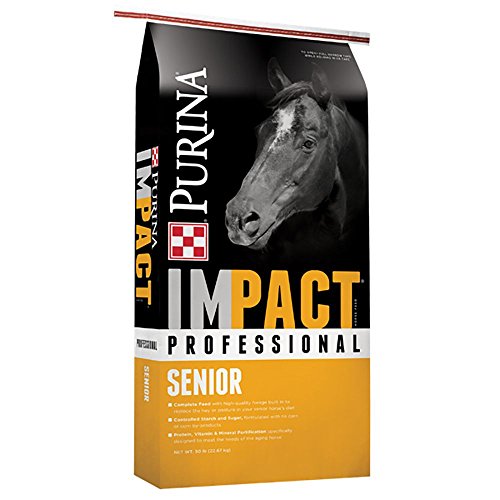
Purina Impact Professional Senior Feed
Fortified senior feed that softens into a mash when soaked
How to Tell a Horse Can No Longer Chew Hay
The clearest sign is quidding: wads of half-chewed hay dropped on the ground or packed in the cheeks. Other clues include slow, awkward chewing, hay packed between the cheek and teeth, weight loss despite plenty of hay in front of the horse, and long, undigested fiber stems in the manure. Any of these means the horse is not extracting nutrition from hay and is at risk of choke and impaction colic. Have an equine dentist or veterinarian examine the mouth to confirm how much grinding ability remains.
Replace Hay With Soaked Forage
The foundation of feeding a toothless horse is a forage-replacement mash. These products deliver the fiber of hay in a soft, soaked form a horse can gum and swallow without grinding:
- Hay pellets: Timothy, alfalfa, or a blend, ground and pelleted, soaking into a fluffy mash in minutes. A clean, measurable way to replace hay.
- Hay cubes: Compressed forage that breaks down into a soft mash when soaked. Always soak thoroughly for a horse with no teeth.
- Beet pulp: A highly digestible, low-sugar fiber and calorie source that makes a palatable mash and adds safe energy.
- Chopped forage: Short-cut hay that some partially toothed horses manage, though fully toothless horses usually need pellets and cubes soaked soft.
For a deeper comparison of these options, see our guide to the best hay alternatives for senior horses.
Add a Complete Senior Feed
Forage replacements supply fiber, but a toothless horse also needs full vitamin and mineral fortification and often extra calories. A complete senior feed is built for exactly this. Fed at its full rate and soaked into a mash, it can serve as both the fortified concentrate and a meaningful share of the forage replacement. Many owners build the daily ration from soaked hay pellets or cubes plus a soaked complete senior feed, which together cover fiber, calories, and nutrients. Our roundup of the best senior horse feed compares the leading complete options.
How to Make a Safe Mash
Making a mash is simple but worth doing carefully. Add warm water to the pellets, cubes, beet pulp, or complete feed and let it soak 15 to 30 minutes, until everything is soft and fluffy with no hard cores. The texture should be sloppy enough that a horse can gum it easily. Soak fresh for every meal, because wet feed ferments and spoils quickly, especially in warm weather. In cold weather, a warm mash also encourages water intake, which helps prevent the impaction colic that toothless seniors are prone to.
Prevent Choke at Every Meal
Choke, an esophageal obstruction, is the biggest day-to-day risk for a horse with poor teeth. Horses that cannot chew tend to bolt feed, and dry pellets or cubes can lodge in the esophagus. Always soak feed thoroughly for a toothless horse, never offer dry pellets, and slow fast eaters with a large shallow tub or by placing a smooth object in the feeder to spread the mash out. If your horse has choked before, treat soaking as non-negotiable and watch the first few minutes of every meal.
Toothless Horse Feeding Quick Links
- Standlee Teff Grass Hay Pellets - mash base to replace hay
- Speedi-Beet Beet Pulp - soft, digestible fiber and calories
- Standlee Timothy Grass Mini Cubes - quick-soaking forage cubes
Feed Often and Watch the Weight
Because a mash diet replaces the steady grazing a horse would do on hay, feed at least three to four meals a day so the gut stays full and motile. Target the same 1.5 to 2 percent of body weight in forage-type feed you would aim for with hay, divided across those meals. Run a weight tape every couple of weeks and use the Henneke body condition score to keep your horse around a 5 to 6, with a bit more cover heading into winter. If weight keeps sliding despite a good mash diet, that points to a medical cause and a veterinary workup, including a test for PPID.
The Bottom Line
A horse with no teeth does not need less forage, it needs forage it can eat. Replace hay with soaked hay pellets, cubes, and beet pulp, add a soaked complete senior feed for full nutrition and calories, and split the ration into several small meals a day. Soak everything to prevent choke, keep meals fresh, and track body condition closely. Pair good feeding with regular dental and veterinary care, and many toothless seniors stay happy and healthy for years.
Related Guides
- Horse Feeding Chart by Weight - Substitution rates and soak times for hay pellets, cubes, and complete feeds.
- Best Hay Alternatives for Senior Horses - Pellets, cubes, chopped forage, and beet pulp compared.
- Best Senior Horse Feed - Complete feeds that soak into a full meal.
- How to Feed a Senior Horse - The full forage-first feeding framework.
Frequently Asked Questions
Can a horse with no teeth survive without hay?
Yes. A horse that has lost most or all of its grinding teeth can do very well on a forage-replacement diet of soaked hay pellets, hay cubes, beet pulp, and a complete senior feed turned into a mash. The fiber and nutrition of hay are still delivered, just in a form the horse can swallow without chewing. Many toothless horses live comfortably for years on a well-managed mash diet.
What is quidding and why does it matter?
Quidding is when a horse balls up partly chewed hay and drops it from the mouth because it cannot grind it. It is one of the clearest signs of serious dental disease. A quidding horse is not getting nutrition from that hay and is at risk of choke and impaction colic from swallowing poorly chewed fiber. Quidding means it is time to switch to soaked, chewable forage replacements and call your vet or equine dentist.
How do I make a mash for a toothless horse?
Add warm water to hay pellets, hay cubes, beet pulp, or a complete senior feed and let it soak 15 to 30 minutes until soft and fluffy, with no hard cores remaining. The mash should be sloppy enough to gum easily. Make it fresh for each meal, especially in warm weather, since soaked feed spoils. Start with the soaking ratio on the bag and adjust until the texture is soft and uniform.
How many meals a day does a toothless horse need?
Because a mash diet replaces free-choice hay, spread it across at least three to four meals a day so the gut is never empty for long. Several smaller meals support digestion, reduce the risk of ulcers and colic, and let a horse with a slow, careful mouth eat without rushing. Automatic feeding is hard with wet mashes, so toothless horses usually need someone present for multiple feedings.
Will my toothless horse still get enough fiber?
Yes, if you build the diet around forage replacements. Soaked hay pellets, hay cubes, chopped forage, and beet pulp are all fiber sources, and a complete senior feed adds more. The goal is the same 1.5 to 2 percent of body weight in forage-type feed you would target with hay. What changes is the form, not the fiber. Your vet can help confirm the total is adequate for your horse's weight.
My old horse drops weight no matter what I feed. Why?
Tooth loss is often only part of the picture. Persistent weight loss in an old horse is frequently driven by PPID (Cushing's), parasites, or other illness on top of poor dentition. Switch to a soaked forage-replacement diet, add safe fat-based calories, and feed several meals, but also get a veterinary workup including an ACTH test for Cushing's. Feeding alone rarely fixes weight loss that has a medical cause.
Need more help with your senior horse?
Browse our guides by topic to find practical solutions.
Senior Horse Care Kit: $24