Best Weight Gain Supplements for Horses (2026)
The best weight gain supplements for horses compared: high-fat dry supplements, rice bran, and crumbles to safely add condition to hard keepers and thin senior horses.
Hard keepers and thin senior horses are one of the most common challenges in an aging barn. The safest way to add condition is not more grain but more fat, which packs over twice the calories of grain by weight without the sugar and starch that risk colic and laminitis. Weight gain supplements concentrate that fat into a scoop you can layer onto a sound forage-first diet to nudge a thin horse back toward a healthy body condition.
Below are our research-based picks, chosen from ingredient panels, fat content, and verified owner reviews rather than any barn trial. One important caveat first: weight loss in an older horse is usually a symptom. Before reaching for a supplement, have your vet check teeth, parasites, and PPID, and make sure your horse is getting enough forage. These products top up calories; they do not fix an underlying problem.
Best Weight Gain Supplements for Horses

Manna Pro Cool Calories 100 Fat Supplement
Concentrated dry fat for weight gain without added sugar or starch

Formula 707 Weight Gain Crumble
Palatable, calorie-rich crumble made for hard keepers and seniors

Manna Pro Weight Accelerator for Senior Horses
High-fat topper with omega-3s and flaxseed for older horses

Farnam Weight Builder Support Supplement
Fat-based supplement to help maintain optimal body condition

Horse Guard Super Weight Gain 3-in-1
Full-fat soy with probiotics and vitamins for digestion and coat
How We Chose These Supplements
We did not run a feeding trial. We compared products on the factors that drive safe weight gain: fat content and calorie density, sugar and starch levels for metabolic safety, palatability for picky seniors, and added extras like omega-3s, probiotics, or vitamins. We weighed brand reputation against patterns in verified owner reviews and favored products that add calories through fat rather than sugar. The result is a menu spanning dry fat powders, crumbles, full-fat soy blends, and a liquid oil.
Comparison at a Glance
| Supplement | Type | Best For | Budget |
|---|---|---|---|
| Manna Pro Cool Calories 100 | Dry fat powder | Sugar-free calorie boost | Under $50 |
| Formula 707 Weight Gain Crumble | Crumble | Palatable everyday topper | Under $50 |
| Manna Pro Weight Accelerator | Pellet topper | Seniors needing omega-3s | Under $50 |
| Farnam Weight Builder | Fat supplement | Maintaining body condition | Under $50 |
| Horse Guard Super Weight Gain | Full-fat soy blend | Digestion, coat, and weight together | Under $100 |
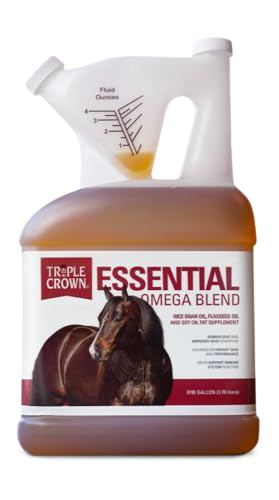
| Triple Crown Rice Bran Oil | Liquid oil | Maximum calories in a small volume | Under $50 |
Why Fat Beats Grain for Weight Gain
Fat is the safest source of extra calories for a horse. It carries more than twice the energy of grain by weight, so a small amount adds meaningful condition, and it does not cause the insulin spikes or hindgut upset that large grain meals can. That is why every supplement in this guide leans on fat, whether as a dry powder, a stabilized rice bran, a full-fat soy product, or a liquid oil. For a metabolic horse, fat is also the only calorie source that adds weight without feeding the sugar and starch that drive laminitis.
Dry Fat, Crumbles, and Oils
The products here fall into a few types. Dry fat powders like a high-fat supplement mix easily into feed and deliver concentrated calories with minimal volume. Crumbles and pellet toppers are palatable and easy to feed, often with added vitamins or omega-3s for coat and joint support. Full-fat soy blends pair calories with probiotics and protein. And liquid oils, including rice bran oil, offer the densest calories of all in a small top-dress, though some horses need time to accept the texture. Choose the format that suits your horse's appetite and your feeding routine.
Introduce Calories Slowly
Any fat supplement should be introduced gradually over one to two weeks. Adding a lot of fat at once can cause loose manure or upset the hindgut, and a sudden change is never worth the risk. Start with a fraction of the target dose and build up. Then be patient: healthy weight gain shows over four to eight weeks, not days. Track it with a weight tape and body condition score every couple of weeks so you can see the slow trend that is invisible to the daily eye.
Weight Gain Quick Links
- Manna Pro Cool Calories 100 - concentrated dry fat for weight gain
- Formula 707 Weight Gain Crumble - palatable everyday topper
- Manna Pro Weight Accelerator - omega-3 meal topper
Build the Whole Diet, Not Just the Supplement
A supplement is the last layer, not the foundation. Make sure your horse is getting adequate forage at roughly 1.5 to 2 percent of body weight, add a quality senior feed and beet pulp for safe baseline calories, and feed several smaller meals rather than one large bucket. Then add a fat supplement to top up the deficit. For the bigger picture on feeding hard keepers, see our guide on how to feed a senior horse. And always rule out dental disease, parasites, and PPID with your vet first.
The Bottom Line
The best weight gain supplement for your horse is a fat-based product layered onto a sound forage-first diet. Dry fat powders and crumbles suit most horses, full-fat soy blends add digestion and coat support, and oils deliver maximum calories in a small volume, all without the laminitis risk of grain. Introduce calories slowly, give it weeks to show, track with a weight tape, and rule out medical causes of weight loss with your veterinarian before relying on a supplement.
Related Guides
- How to Feed a Senior Horse - The forage-first framework for hard keepers.
- Best Senior Horse Feed - Calorie-dense complete feeds for older horses.
- Best Hay Alternatives for Senior Horses - Beet pulp and forage for safe calories.
Frequently Asked Questions
What is the best way to put weight on a senior horse?
Start with forage and rule out medical causes, then add safe calories through fat and digestible fiber rather than grain. A high-fat supplement such as a stabilized rice bran or a dry fat product, plus beet pulp and a quality senior feed, adds energy without the sugar and starch that risk laminitis. Weight gain supplements work best layered onto a sound forage-first diet, not used as a shortcut around it.
Do weight gain supplements actually work?
They help when used correctly. Most weight gain supplements add concentrated calories from fat, which is the safest way to increase energy density. They will put condition on a horse that needs more calories, but they cannot fix weight loss caused by dental disease, parasites, or PPID. Address those underlying problems first, feed adequate forage, then add a supplement to top up calories. Give it several weeks to show on the body.
Are fat supplements safe for metabolic horses?
Fat-based weight gain supplements are generally safer than grain for horses with PPID or insulin issues because fat does not spike insulin the way sugar and starch do. Choose products that are low in sugar and starch and avoid molasses-heavy formulas. That said, an overweight or laminitic horse usually does not need a weight gain supplement at all. Always confirm with your vet before adding calories to a metabolic horse's diet.
How long until I see weight gain in my horse?
Expect to wait. Healthy weight gain in a horse is gradual, usually showing over four to eight weeks rather than days. Adding calories too fast can upset the hindgut and cause loose manure or colic, so introduce any fat supplement over one to two weeks. Track progress with a weight tape and body condition score every couple of weeks rather than judging by eye, since slow change is hard to see day to day.
Should I just feed more grain to add weight?
No, that is the riskiest path. Large grain meals raise the risk of colic, hindgut acidosis, and, in metabolic horses, laminitis. Fat delivers more than twice the calories of grain by weight without those risks, which is why high-fat supplements, oil, and rice bran are the preferred way to add condition. If a horse needs more concentrate, a senior feed fed in several small meals is safer than piling on plain grain.
My senior horse will not gain weight. What should I check?
Have your vet check teeth, run a fecal egg count for parasites, and test for PPID, since Cushing's is a very common cause of stubborn weight loss in older horses. Also confirm the horse is actually getting enough forage and that herd dynamics are not blocking access to feed. A weight gain supplement only helps once these underlying issues are addressed, so the workup comes before the supplement.
Need more help with your senior horse?
Browse our guides by topic to find practical solutions.
Senior Horse Care Kit: $24