Best Electrolyte Powder for Horses: Top Picks for Seniors
The best electrolyte powder for horses compared for seniors: sugar-free options for metabolic horses, powders and pastes, and how to support hydration in heat and work.
The best electrolyte powder for horses is Farnam Apple Elite Electrolyte Powder, a sugar-free formula that supplies sodium, potassium, calcium, and magnesium in proportions that reflect sweat losses, making it a safe default even for metabolic seniors. Kentucky Performance Summer Games is the strongest low-sugar alternative, and a paste is more practical for single demanding days.
When a horse sweats, it loses more than water. Sweat carries away sodium, potassium, chloride, calcium, and magnesium, the electrolytes that run nerve signaling, muscle function, and fluid balance. Replacing them after heavy sweating helps a horse rehydrate, recover, and keep its muscles working, and the thirst they stimulate encourages drinking. For older horses, which often under-drink, that thirst nudge can be especially valuable in heat. Below are research-based electrolyte powder picks, including sugar-free options for metabolic seniors.
These selections come from ingredient panels, brand reputation, and patterns in verified owner reviews rather than any barn trial. Electrolytes are a hydration support tool that only works alongside plenty of clean water, never a replacement for it. For a metabolic horse, always check the sugar content and confirm the choice with your veterinarian.
Best Horse Electrolytes

Farnam Apple Elite Electrolyte Powder, 5 lb
Sugar-free powder with sodium, potassium, calcium, magnesium


Kentucky Performance Summer Games Plus Electrolyte Paste (3 Pack)
Dose-syringe electrolytes with a stomach-buffering blend

Farnam Apple Elite Electrolyte Paste
Single-dose syringe for before or after heavy work or hauling
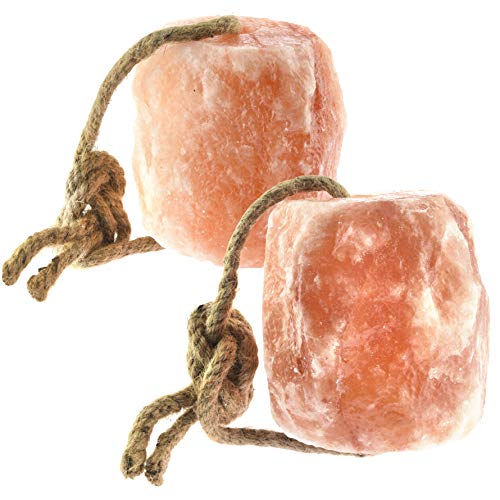
UMAID Himalayan Salt Lick on Rope
Free-choice salt as the foundation of electrolyte balance
How We Chose These Picks
We did not run a feeding trial or claim hands-on testing. We assessed each product the way a careful owner would: by reading the ingredient panel for the mineral profile, prioritizing sugar-free or low-sugar formulas for metabolic horses, considering the convenience of powder versus paste, and weighing brand reputation against patterns in verified owner reviews. Priority went to electrolytes that genuinely match sweat losses without leaning on sugar as the main ingredient.
Comparison at a Glance
| Product | Form | Best For | Budget |
|---|---|---|---|
| Farnam Apple Elite Powder | Powder, 5 lb | Everyday sugar-free replacement | Under $25 |
| Farnam Apple Elite, 7.5 lb | Powder, large | Regular summer use, value | Under $50 |
| Summer Games Plus Paste (3 Pack) | Paste | Electrolytes plus stomach buffer | Under $50 |
| Apple Elite Paste | Syringe paste | Single dose for work or hauling | Under $25 |
| Himalayan Salt Lick | Salt block | Free-choice baseline salt | Under $50 |
Salt First, Electrolytes for Heavy Sweat
The foundation of electrolyte balance is plain salt, which supplies the sodium and chloride lost in the largest amounts. Most horses benefit from free-choice salt year-round, whether as a block or loose salt on feed, and for an idle senior in mild weather that is often all that is needed. Full electrolyte supplements step in when sweating is heavy and sustained, adding potassium, calcium, and magnesium to match the complete mineral profile of sweat. Think of salt as the baseline and a complete electrolyte as the upgrade for hot weather, work, illness, or long trailer rides.
Watch the Sugar for Metabolic Horses
Many flavored electrolytes use sugar or dextrose as their base, which is a real concern for a horse with EMS, PPID, or laminitis risk. For a metabolic senior, choose a product where the mineral salts, not sugar, lead the ingredient list, and look for no-added-sugar labeling. The Farnam Apple Elite line and Kentucky Performance Summer Games are both formulated with metabolic safety in mind. Read the panel rather than trusting the flavor name, and check with your vet for an insulin-sensitive horse. Our guide to feeding an EMS horse covers the wider low-sugar diet.
Powders vs Pastes
The two formats suit different situations. Powders are economical for regular use, top-dressed on feed or dissolved in water, and are the practical choice for daily summer supplementation. If you offer electrolyte water, always provide a second bucket of plain water too, since some horses refuse flavored water and could end up drinking less. Pastes in a syringe deliver a convenient single dose, ideal before or after heavy work, a long haul, or a hot competition day. Many owners keep both: a powder tub for routine use and a paste for one-off demands.
Always Pair With Water
The cardinal rule of electrolytes is that they only work with water. Giving electrolytes to a horse without enough water to drink can pull fluid the wrong way and worsen dehydration rather than relieve it. Always ensure plentiful fresh water is available whenever you supplement. For older horses, electrolytes are one piece of a broader hydration strategy that also includes salt, soaked feed, palatable water, and in winter warmed water. Our guide to hydration for senior horses ties these tools together for colic prevention, and if you suspect your horse is already behind on fluids, learn the warning signs in our guide to dehydration in senior horses.
The Bottom Line
The best electrolyte for your horse is the one that matches its sweat losses without unwanted sugar. Start with free-choice salt as the baseline, add a complete electrolyte for heavy sweating in heat, work, or travel, and choose a sugar-free formula for any metabolic senior. Use powders for routine summer use and a paste for single demanding days, and never give electrolytes without ample water alongside. Fold them into a full hydration plan, and check with your veterinarian for horses with metabolic conditions.
Electrolyte Quick Links
- Farnam Apple Elite Powder - sugar-free everyday pick
- Apple Elite Electrolyte Paste - single-dose syringe
- Summer Games Plus Electrolyte Paste - 3-pack of dose syringes
Related Guides
- Hydration for Senior Horses - The full hydration and colic-prevention plan.
- Dehydration in Senior Horses - Spotting the signs and the impaction colic link.
- Feeding an EMS Horse - Keeping sugar low across the diet.
- Vitamin and Mineral Needs - Balancing the wider diet.
Frequently Asked Questions
What is the best electrolyte powder for horses?
Based on ingredient panels and patterns in verified owner reviews, Farnam Apple Elite Electrolyte Powder is the best all-around electrolyte powder for horses. It is sugar-free, supplies sodium, potassium, calcium, and magnesium in proportions that reflect sweat losses, and top-dresses easily on feed, which makes it a safe default for senior horses including metabolic ones. Kentucky Performance Summer Games is a strong low-sugar alternative formulated to match sweat. For single demanding days, a paste like Apple Elite Paste is more convenient than powder.
What do electrolytes do for a horse?
Electrolytes are minerals, mainly sodium, potassium, chloride, calcium, and magnesium, that horses lose in sweat and that drive nerve, muscle, and fluid balance. When a horse sweats heavily in heat, work, or transport, replacing those minerals helps maintain hydration, muscle function, and recovery. Electrolytes also stimulate thirst, encouraging a horse to drink. They support the body's water balance, but they are not a substitute for plentiful clean water alongside them.
Does my senior horse need electrolytes?
Most idle senior horses in mild weather meet their needs with plain salt and a balanced diet. Electrolytes become useful when a horse sweats heavily: hot, humid weather, light work, long trailer rides, or illness with sweating. Older horses prone to under-drinking can also benefit from the thirst electrolytes stimulate during heat. For a sedentary senior in cool conditions, free-choice salt is usually enough. Match supplementation to actual sweat loss.
Are electrolytes the same as salt?
Not quite. Plain salt provides sodium and chloride, the two minerals lost in the largest amounts in sweat, and it is the foundation of electrolyte replacement. Full electrolyte supplements add potassium, calcium, and magnesium to better match the full mineral profile of sweat. For light needs, salt alone often suffices. For heavy, sustained sweating, a complete electrolyte product replaces what salt alone misses. Many horses benefit from year-round salt plus electrolytes during heavy sweat.
Should I avoid sugary electrolytes for a metabolic horse?
Yes. Many flavored electrolytes use sugar or dextrose as a base and flavoring, which is a concern for horses with EMS, PPID, or laminitis risk. For a metabolic horse, choose a sugar-free electrolyte where the first ingredients are the mineral salts rather than sugar, and check the label carefully. Several products are specifically marketed as no added sugar. As always, confirm the choice with your vet for an insulin-sensitive horse.
How do I give electrolytes to a horse?
Powders can be top-dressed on feed or dissolved in water, though if you offer electrolyte water always provide a second source of plain water too, since some horses refuse flavored water. Pastes in a syringe are convenient for a single dose before or after heavy work or travel. Always make sure the horse has plenty of fresh water available, because giving electrolytes without enough water to drink can worsen rather than help dehydration.
Can electrolytes help prevent dehydration colic?
They can help indirectly by stimulating thirst and supporting the body's fluid balance during heavy sweating, which encourages drinking and helps maintain gut hydration. But electrolytes only work paired with ample clean water, and they are one tool among several. For older horses, soaked feed, salt, palatable water, and in winter warmed water all play a role in preventing the dehydration that leads to impaction colic. See our hydration guide for the full picture.
Need more help with your senior horse?
Browse our guides by topic to find practical solutions.
Senior Horse Care Kit: $24