Managing Arthritis in Senior Horses: A Daily Plan
A practical, day-to-day plan for managing arthritis in an older horse: movement, weight, footing, farrier work, joint support, NSAIDs, and winter care.
Once your vet has diagnosed arthritis, the real work is the daily management that keeps your horse comfortable for years. No single product carries the load. The horses who stay sound and happy into their twenties almost always have owners who combine steady movement, lean body weight, good footing, skilled farrier work, joint support, and veterinary pain control into one consistent routine.
This guide lays out that routine in practical terms. Think of arthritis management as a set of small daily habits rather than a one-time fix. Build them in with help from your equine vet and farrier, and adjust as your horse ages.
Everyday Tools for Managing Arthritis

Nutramax Cosequin Optimized with MSM Joint Supplement
A daily glucosamine, chondroitin, and MSM powder for ongoing joint support in arthritic horses
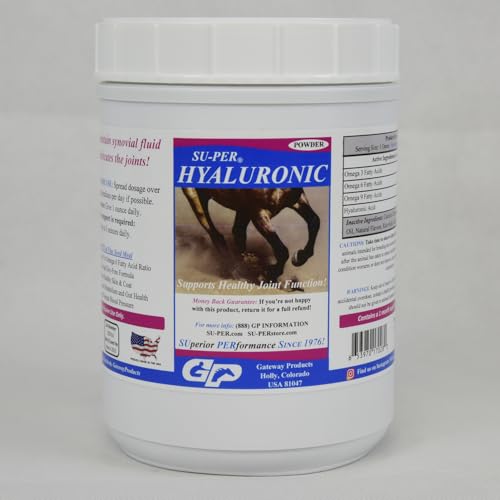
SU-PER SU-PER Hyaluronic Joint Supplement
Oral hyaluronic acid that supports synovial fluid quality for smoother joint movement
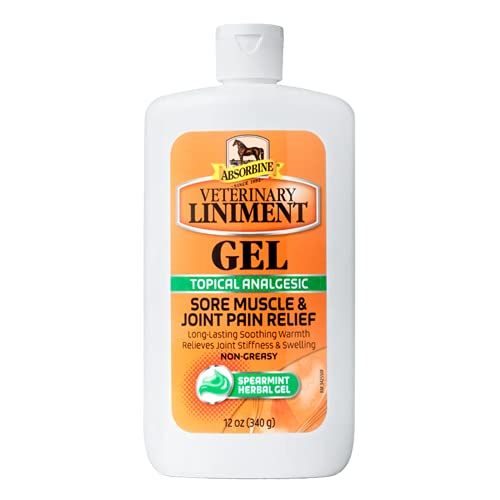
Absorbine Absorbine Veterinary Liniment Gel
A soothing topical rub to loosen tired muscles and joints after work

Horse Health Horse Health IceTight 24-Hour Poultice
A cooling clay poultice for legs after harder work or a flare-up
Keep Them Moving
The single most important habit is consistent, gentle movement. Joints stay healthier when they are used, because movement circulates synovial fluid, keeps cartilage nourished, and maintains the muscle that supports each joint. A horse left to stand in a stall stiffens up, loses topline, and finds the next outing harder.
Aim for as much daily turnout as you can safely provide, ideally most of the day on even, well-drained footing. When you do work the horse, give it a long, unhurried warm-up at the walk before asking for anything more, and finish with a proper cool-down. Avoid sudden hard efforts on a cold horse. Many arthritic horses feel better at the end of a ride than at the start, which is exactly why the warm-up matters so much.
Manage Weight and Diet
Every extra pound presses on already painful joints. Keeping your horse at a lean Henneke body condition score of around 5 is one of the cheapest and most effective things you can do. For an easy keeper, that may mean restricting rich grass and choosing a ration balancer instead of large grain meals.
Senior horses also often have PPID (Cushing's) or insulin dysregulation, which raise laminitis risk, so watch the non-structural carbohydrate (NSC) content of feeds and forage. A complete senior feed or a low-sugar ration balancer keeps nutrition full without unnecessary calories. Omega-3 fatty acids from flax support a calmer inflammatory response and are an easy daily add.
Footing and Farrier Work
The ground your horse stands and moves on matters more than most owners realize. Deep mud forces joints to work harder and pull free with each step, while rock-hard or frozen ground delivers a jarring concussion. Aim for even, firm but giving surfaces in turnout, arenas, and around gates and water troughs.
Your farrier is a key partner. Regular trimming keeps the foot balanced so it lands evenly, which reduces the twisting forces that aggravate lower-limb arthritis. Eased breakover and supportive shoeing can target specific joints. Tell your farrier exactly which legs and joints are sore so they can work patiently, let the horse rest a leg often, and avoid pulling a stiff limb into a painful position.
Joint Support and Topicals
Oral joint supplements are a background layer that works best with consistent daily use over weeks. Glucosamine, chondroitin, and MSM supply joint building blocks and support comfort, while oral hyaluronic acid supports synovial fluid quality. None reverse damage, but many owners notice steadier movement once a supplement has had a month or more to take effect.
Topical liniments and poultices are useful after work or during a flare-up. A liniment rubbed into tired muscles and joints provides a soothing warming or cooling sensation, and a clay poultice on the lower legs draws out heat and eases swelling. Treat these as comfort tools that support, but do not replace, internal care and veterinary pain relief.
Veterinary Pain Control
Work with your vet to decide whether your horse needs daily pain relief, intermittent relief for flare-ups, or periodic joint injections. Equioxx (firocoxib) is commonly used for ongoing daily management because it is gentler on the stomach, while bute is effective for shorter courses. Joint injections, Adequan, and IV hyaluronic acid such as Legend offer more targeted support. All of these are veterinary decisions, and your vet will balance comfort against the long-term risks of medication.
Seasonal and Weather Care
Cold, damp weather stiffens arthritic joints, so winter needs a little extra planning. A well-fitted blanket in cold or wet conditions and a draft-free run-in shelter help keep an older horse's muscles loose. Give a longer warm-up on chilly days, and be patient with morning stiffness. In hot months, protect comfort and skin with shade and a fly mask so your horse can keep moving in turnout rather than standing miserably in one spot.
Tracking Progress Over Time
Arthritis changes over the years, so keep notes. Jot down how your horse warms up, which joints flare, what helps, and how it responds to each change you make. Bring those notes and a phone video to your annual or twice-yearly senior wellness exam. With a steady plan and good record keeping, you and your vet can stay ahead of the disease and keep your horse comfortable for the long haul.
This article is educational and does not replace advice from your equine veterinarian and farrier, who should guide any medication or major change to your horse's program.
Related Guides
- Arthritis in Senior Horses - The full overview of signs and treatment.
- Exercise for Senior Horses - Keeping an older horse moving safely.
- Best Joint Supplements for Senior Horses - What to look for and our picks.
- Best Liniments for Horses - Topical relief after work.
Frequently Asked Questions
What is the best daily routine for a horse with arthritis?
Consistency is the key. A good routine pairs daily turnout with a slow, thorough warm-up before any work, low-impact exercise on even footing, and a proper cool-down. Add a daily joint supplement, keep the horse lean, and use a liniment or poultice after harder work. Avoid long stretches of stall confinement, which lets joints stiffen. Your vet can fine-tune the workload to your horse's specific joints.
Should I blanket an arthritic horse in winter?
Often yes. Cold, damp weather noticeably stiffens arthritic joints, and many older horses also lose body condition and struggle to stay warm. A well-fitted blanket in cold or wet conditions, plus a draft-free run-in shelter, helps keep muscles and joints looser and reduces the morning stiffness that comes with cold. Keep an eye on fit and remove the blanket regularly to check weight and skin.
How much turnout does an arthritic horse need?
As much steady, low-stress turnout as is safe, ideally most of the day. Free movement around a paddock keeps joints lubricated, maintains muscle, and prevents the stiffness that builds during stall rest. Good footing matters: avoid deep mud and rock-hard ground. Horses with acute flare-ups may need short rest, but for chronic arthritis, gentle continuous movement is usually far better than confinement.
Can I manage arthritis without daily medication?
Some mild cases are managed with movement, weight control, good farrier work, joint supplements, and topicals alone. Many horses also do well on intermittent NSAIDs only for flare-ups. More advanced arthritis often needs regular pain control such as Equioxx or periodic joint injections to stay comfortable. The right balance is a veterinary decision based on how much pain your horse is in and how it responds.
How does the farrier help an arthritic horse?
A great deal. Regular, balanced trimming and shoeing keep the foot landing evenly, which reduces twisting and strain on the fetlock, pastern, and coffin joints. Eased breakover and supportive shoeing can ease specific lower-limb arthritis. Tell your farrier which joints are sore so they can let the horse rest a leg more often and avoid pulling it into painful positions during work.
Will my arthritic horse still be rideable?
Many arthritic horses stay comfortable for light riding well into their twenties with good management. The trick is matching the work to the horse: shorter, lower-impact rides, plenty of warm-up, soft even footing, and avoiding tight repetitive figures that stress sore joints. As arthritis advances, the workload usually decreases over time. Your vet can help you judge what level of work is fair and comfortable.
When does arthritis mean it is time to retire a horse?
Retirement from work is a gradual decision, not a single moment. Consider stepping a horse down to light work or full retirement when it stays stiff and uncomfortable despite a solid management plan, when flare-ups become frequent, or when warming up no longer loosens it up. Retirement does not mean inactivity: a retired arthritic horse still benefits enormously from daily turnout and gentle movement.
Need more help with your senior horse?
Browse our guides by topic to find practical solutions.
Senior Horse Care Kit: $24