Keeping a Senior Horse Moving: A Practical Guide
Movement keeps aging horses sound. How much exercise a senior horse needs, safe warm-ups, turnout versus rest, and the daily habits that protect comfort and mobility.
If there is one rule for caring for an aging horse, it is this: keep them moving. Horses evolved to walk and graze for most of the day, covering miles at a slow, steady pace. That near-constant motion is what keeps their joints lubricated, their muscles toned, their feet healthy, and their gut working. When an older horse slows down or stands still for long stretches, every one of those systems suffers, and the decline can feed on itself.
The good news is that movement is also the most powerful, lowest-cost tool you have. You do not need fancy equipment or a heavy training schedule. You need a sensible, consistent routine matched to your horse's soundness, plus a partnership with your equine vet and farrier. This guide covers how much movement a senior needs, how to do it safely, and the daily habits that keep an older horse comfortable and mobile for years.
Daily Support for an Active Senior

Nutramax Nutramax Cosequin ASU Joint Health Supplement for Horses
Glucosamine, chondroitin, MSM, and ASU in a daily powder from the most veterinarian-recommended joint brand
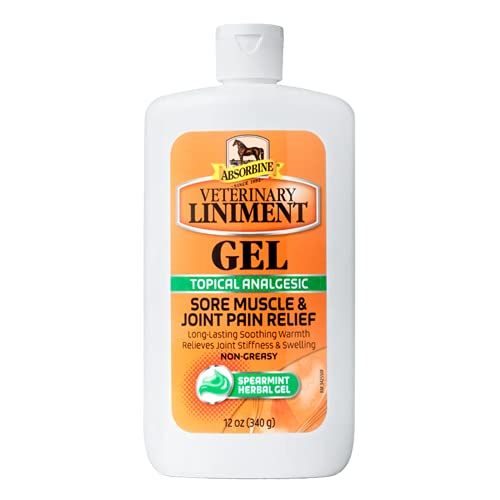
Absorbine Absorbine Veterinary Liniment Gel
A classic menthol rub to soothe stiff muscles and joints after a warm-up or light work

AniMed AniMed Pure MSM Supplement for Horses
Single-ingredient MSM, an affordable daily add-on many owners stack for joint comfort
These products support comfort so movement is easier, but they complement rather than replace exercise, footing, and veterinary care. Let's start with why motion matters so much.
Why Movement Matters More As Horses Age
A horse's joints have no direct blood supply to their cartilage. Instead, they rely on movement to push synovial fluid in and out, delivering nutrients and clearing waste. When an arthritic senior stands still, that exchange slows, the joint stiffens, and discomfort rises. Gentle motion is, quite literally, how an old joint feeds and lubricates itself.
Movement does much more than care for joints. It maintains the muscle and topline that aging horses tend to lose, supports the gut motility that helps prevent colic, encourages healthy hoof growth through circulation, and helps regulate weight and metabolism in horses prone to PPID or insulin issues. A horse kept moving simply ages more gracefully than one left to stand.
How Much Movement Does a Senior Need?
The honest answer is that it depends on the individual, but the guiding principle is little and often rather than occasional hard work. For most comfortable seniors, aim for:
- Daily turnout on safe footing, ideally for as many hours as your setup allows. Free movement at pasture is the foundation.
- Several short, purposeful sessions a week of light riding, hand walking, ground work, or pole exercises, depending on what your horse can do soundly.
- Consistency over intensity. A 20-minute walk most days does far more for an arthritic horse than a single hard ride on the weekend.
Adjust on cold mornings, stiff days, and during any flare-up. Your vet can help you set a baseline after a soundness check and tell you which movements to avoid for your horse's particular sore spots.
Safe, Low-Impact Ways to Keep an Older Horse Moving
You have many options beyond ridden work, which matters because plenty of seniors are happiest in a lighter or retired role.
- Turnout: The single best form of continuous, self-paced movement. A companion encourages a quiet horse to wander and graze.
- Hand walking: Easy on you and the horse, ideal for stiff days, and a good way to assess soundness up close.
- Ground work and in-hand exercises: Gentle bending, backing up, and stepping over poles build strength and balance without a rider's weight.
- Light riding: For sound seniors, short rides at walk and easy trot on good footing keep fitness and engagement.
- Walking over poles: Raised or ground poles encourage a horse to lift its feet and use its body, which supports coordination, especially for a horse that stumbles.
The Importance of a Long Warm-Up and Cool-Down
Senior horses almost always feel stiff for the first few minutes and then loosen up. Honor that. Begin every session with several minutes of straight-line walking on even ground before asking for any trot, and let the horse warm up gradually rather than pushing through early stiffness. Tight turns, small circles, and demanding work belong later in the session, if at all.
Cool down with the same patience. Walking until the horse's breathing settles, followed by a liniment on tired muscles or a light cooler in cold weather, keeps muscles from tightening as they cool. These unhurried bookends protect arthritic joints far more than any supplement.
Footing, Weather, and Daily Habits
Where and how a senior moves matters as much as how much.
- Good footing: Avoid deep, boggy, or rock-hard ground. Even, well-drained surfaces are kindest to arthritic joints and reduce the risk of a slip or stumble.
- Manage cold and damp: Cold weather stiffens arthritic joints. A winter blanket and a draft-free shelter help an older horse stay loose and willing to move.
- Regular farrier care: Balanced trimming and shoeing reduce strain on the lower limbs and make every step more comfortable. Tell your farrier which joints are sore.
- Watch weight: Every extra pound loads sore joints. Keeping a senior near a lean Henneke score of 5 makes movement noticeably easier.
- Watch the feet: A bounding digital pulse or heat in a hoof, especially in a PPID or metabolic horse, can signal laminitis and is a reason to stop and call the vet.
When to Slow Down or Call the Vet
Movement is medicine, but it is not the answer to every problem. Stop and seek veterinary advice if lameness is sudden or severe, if a joint is hot and swollen, if your horse is non-weight-bearing, if there is heat or a bounding pulse in a hoof, or if a once-willing horse becomes newly and persistently reluctant to move. Pushing a horse forward through genuine pain does harm. The art of keeping a senior moving lies in reading the difference between ordinary stiffness, which eases with a good warm-up, and real pain, which does not.
With consistent turnout, gentle and regular exercise, patient warm-ups, good footing, and a steady partnership with your vet and farrier, most senior horses stay comfortable and mobile well into their twenties. Keep them moving, and you keep them young.
This article is educational and complements, but does not replace, advice from your equine veterinarian and farrier. If your horse is in pain or newly reluctant to move, start with a lameness exam.
Related Guides
- Exercise for Senior Horses - Building a safe, low-impact routine.
- Conditioning the Senior Horse - Bringing an older horse back into work safely.
- Best Footing for Arthritic Horses - Surfaces that protect sore joints.
- Arthritis in Senior Horses - Signs, treatment, and relief.
Frequently Asked Questions
Why is movement so important for an old horse?
Horses are built to move almost constantly, and an aging body depends on it. Steady, gentle motion pumps fluid through arthritic joints, keeps muscles and topline from wasting, supports gut motility to lower colic risk, and helps regulate weight and metabolism. A horse that stands still for long stretches stiffens up, loses condition faster, and often becomes harder to ride or handle. For most seniors, consistent low-impact activity is one of the kindest things you can provide.
How much exercise does a senior horse need?
There is no single number, because it depends on the horse's soundness, fitness, and any conditions like arthritis or PPID. As a general aim, most comfortable seniors benefit from daily turnout plus several sessions of light, purposeful movement each week, whether that is hand walking, ground work, or easy riding. The goal is little and often rather than occasional hard work. Build a routine with your vet, and adjust on stiff days, in cold weather, or during flare-ups.
Should I still ride my 20-year-old horse?
Many horses in their twenties stay sound enough for light riding, and gentle work often helps them feel better. The key is matching the work to the horse: shorter sessions, thorough warm-ups, good footing, and no demanding maneuvers on sore joints. Have your vet do a soundness check first and tell you what is reasonable. If riding is no longer fair, in-hand walking, ground work, and turnout keep an unridden senior moving and engaged.
What is the best way to warm up a stiff senior horse?
Start every session slowly. Begin with several minutes of walking on a straight line and even footing before any trot, and let the horse loosen gradually rather than pushing through early stiffness. Many older horses feel pottery for the first few minutes and then move much more freely. Long, gentle warm-ups and equally unhurried cool-downs protect arthritic joints, and a liniment or light blanket afterward can keep muscles from tightening as they cool.
Is turnout or stall rest better for a senior with arthritis?
For most arthritic seniors, turnout beats stall confinement. Standing in a stall lets joints stiffen and muscle weaken, which makes the next ride harder and can worsen comfort over time. Gentle, continuous movement at pasture keeps joints lubricated and the gut working. Some horses with acute injuries or specific conditions do need short periods of rest, so confirm with your vet, but the default for a stable arthritic horse is as much safe turnout as you can give.
My senior horse seems sound but reluctant to move. What should I check?
Reluctance can come from many places: arthritis pain, sore hooves or an abscess, foot soreness from laminitis, dental pain affecting the whole body, poor footing, failing eyesight, or simply being cold and stiff. Note when it happens, on what surfaces, and whether warm-up helps. A bounding digital pulse or heat in a hoof is urgent. If reluctance is new, persistent, or paired with other changes, book a lameness exam rather than pushing the horse forward.
Can supplements help keep an older horse moving?
Joint supplements with glucosamine, chondroitin, MSM, and hyaluronic acid will not rebuild cartilage, but used consistently many owners and vets see steadier day-to-day comfort that makes movement easier. They work best alongside weight control, good farrier work, appropriate exercise, and any veterinary pain relief your horse needs. Think of them as one supporting layer in a movement plan, not a replacement for the exercise, footing, and professional care that do the heavy lifting.
Need more help with your senior horse?
Browse our guides by topic to find practical solutions.
Senior Horse Care Kit: $24