Conditioning the Senior Horse: Build Fitness Safely
How to condition an older horse without injury: starting with a vet check, building slowly from walking, supporting topline, electrolytes, and signs of overwork.
There is a common belief that once a horse reaches its late teens, its working days are behind it. For many horses, that simply is not true. With patience and a sensible plan, plenty of seniors can be conditioned to a comfortable level of fitness for light riding, or maintained in steady, gentle work that keeps them sound and engaged. The trick is to respect the older body: build slowly, warm up thoroughly, and never confuse age with frailty or, on the other hand, ignore real limits.
This guide walks through conditioning an aging horse safely, from the veterinary check that should come first, through a gradual progression of work, to supporting topline, replacing what sweat takes out, and recognizing when you are asking too much. As always, build your plan in partnership with your equine vet.
Support for a Conditioning Senior

Nutramax Nutramax Cosequin ASU Joint Health Supplement for Horses
Daily joint support to keep aging joints comfortable through a conditioning program

Farnam Farnam Apple Elite Electrolyte Supplement for Horses
Replaces minerals lost in sweat during work and hot-weather conditioning
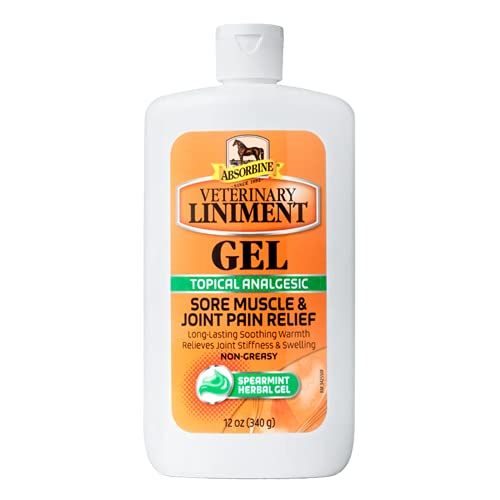
Absorbine Absorbine Veterinary Liniment Gel
A soothing menthol rub for tired muscles after building work
These products support the work, but the plan itself does the real building. Let's start where every senior conditioning program should: a veterinary check.
Start With a Veterinary Soundness Check
Before asking an older horse to take on more work, have your vet assess soundness, body condition, dental health, and any underlying conditions such as PPID, heart or respiratory changes, or arthritis. This baseline does two things: it tells you what is reasonable to ask, and it flags problems that a conditioning program could worsen. A horse with significant arthritis can often still be conditioned, but the plan will look different from one for a sound horse, and only your vet can help you draw that line wisely.
Build Slowly: The Golden Rule
The single most important principle for conditioning a senior is to build slowly. Older horses gain and lose fitness more gradually than young ones and recover more slowly, so consistency matters more than intensity. A patient progression might look like this:
- Weeks 1 to 3: Walking, in hand or under saddle, on good footing. Build up the duration of walking work before adding anything faster.
- Weeks 4 to 6: Introduce short trot intervals, a minute or two at a time, gradually extending them over the weeks.
- Weeks 7 and beyond: Slowly add duration, gentle hills, and pole work, increasing one thing at a time rather than everything at once.
Give rest days, keep a thorough warm-up at the start and an unhurried cool-down at the end of every session, and resist the urge to jump ahead on a good day. A sensible reintroduction spans a couple of months, not a couple of weeks.
Warm-Ups, Footing, and Joints
Senior bodies need protecting during conditioning. Always begin with several minutes of walking on even ground before any trot, letting the horse loosen gradually, since most older horses feel stiff for the first few minutes and then move more freely. Work on even, well-drained footing that gives a little without being deep, and avoid hard, rocky, or boggy ground. Keeping arthritic joints comfortable with veterinary pain management and consistent joint support makes the whole program more productive, because a comfortable horse can actually do the work that builds fitness.
Building Topline and Strength
Many senior horses lose topline, the muscle over the back and hindquarters, and conditioning can help rebuild some of it. The work that develops topline is correct, gentle, and engaging: walking up gentle hills, stepping over ground or raised poles, transitions, and encouraging the horse to stretch and use its body properly. Muscle is built from the inside as well, so adequate quality protein and overall good nutrition give exercise something to work with. Progress is slow in seniors, and horses with arthritis or PPID may build muscle less readily, so pair patient work with good feeding and realistic expectations.
Hydration and Electrolytes
A horse that sweats during conditioning loses water and electrolytes that need replacing. Always provide free access to clean water and salt, and consider an electrolyte supplement for a horse working up a sweat, in hot weather, or during heavier conditioning. A lightly worked senior in cool conditions may need little beyond salt and good forage. Do not over-supplement, and never give electrolytes without water available, since they draw a horse to drink. Horses with PPID, kidney issues, or other conditions should have their electrolyte plan checked with the vet.
Recognizing When You Are Asking Too Much
Conditioning a senior is a constant conversation with the horse, and you have to listen. Signs that you are pushing too hard include:
- Increased stiffness or new lameness
- Heat or swelling in a joint or tendon
- Slow recovery of breathing after work
- Reluctance to work, or a drop in attitude
- Loss of appetite, muscle soreness, or weight loss
Any of these means back off, give rest, and reassess. Senior horses recover slowly and tend to mask discomfort, so it is always safer to do a little less than a little too much. If signs persist after rest, bring in your vet.
Even Retired Horses Benefit
Not every senior is heading back into ridden work, and that is fine. Even a fully retired horse benefits from maintenance conditioning: turnout, hand walking, gentle ground work, and easy in-hand exercise that keeps muscles, joints, gut, and weight in good shape. The goal simply shifts from athletic fitness to comfort, mobility, and quality of life. Whether you are legging up for light riding or just keeping a pensioner supple, the same principles apply, go slow, stay consistent, and keep the horse comfortable, and your aging horse will be the better for it.
This article is educational and complements, but does not replace, advice from your equine veterinarian. Begin any conditioning program with a soundness check.
Related Guides
- Keeping a Senior Horse Moving - Why daily movement matters.
- Exercise for Senior Horses - Safe, low-impact activity.
- Best Footing for Arthritic Horses - Surfaces that protect working joints.
- Horse Feeding Chart by Weight - Fueling a working senior correctly.
Frequently Asked Questions
Can you still condition an older horse?
Yes. Senior horses respond to careful conditioning, building fitness, strength, and stamina, just more slowly than younger horses and within the limits of their soundness. The keys are a longer, gentler progression, thorough warm-ups, good footing, and respect for any arthritis or other conditions. Many horses in their late teens and twenties can be brought to a comfortable level of fitness for light riding or maintained in steady work. Always start with a veterinary soundness check before beginning a conditioning program.
How do I bring a senior horse back into work?
Start slow and build gradually. Begin with weeks of walking, in hand or under saddle, on good footing before adding any trot, then introduce short trot intervals and slowly extend them over weeks. Increase one thing at a time, either duration or intensity, not both, and give rest days. Watch closely for stiffness, heat, or reluctance, and back off if they appear. A patient eight to twelve week reintroduction is far safer for an older body than rushing.
How long does it take to get a senior horse fit?
Longer than a young horse, often a matter of months rather than weeks, and it varies with the horse's starting fitness, age, and soundness. Older horses build and lose condition more slowly, so consistency matters more than intensity. Expect to spend extra weeks at the walking and light-trot stages before asking for more. Rushing risks injury and soreness. Think in terms of steady, incremental progress over a season rather than a quick return to a previous level of work.
What kind of exercise builds topline in an older horse?
Topline is built with correct, gentle work that engages the back and hindquarters: walking up gentle hills, stepping over ground or raised poles, transitions, and encouraging the horse to stretch and use its body correctly. Good nutrition with adequate quality protein supports the muscle that exercise builds. Progress is slow in seniors, and a horse with arthritis or PPID may build topline less readily, so combine sensible work, good feeding, and veterinary guidance, and be patient with results.
Should I give my senior horse electrolytes during conditioning?
Electrolytes help replace the minerals lost in sweat, so they can be useful for a horse sweating during work, in hot weather, or during heavier conditioning, alongside free access to clean water and salt. A lightly worked senior in cool weather may need little beyond salt and good forage. Do not over-supplement, and always provide water, since electrolytes draw a horse to drink. If your horse has PPID, kidney issues, or other conditions, check with your vet on the right approach.
What are signs I am overworking my senior horse?
Watch for increased stiffness or lameness, heat or swelling in joints or tendons, a horse that is slow to recover its breathing, reluctance to work, a drop in attitude or appetite, muscle soreness, or weight loss. Any of these means you are asking too much, too soon. Back off, give rest, and reassess. Senior horses recover more slowly and mask discomfort, so err on the side of doing less. If signs persist after rest, involve your vet.
Is it worth conditioning a retired senior horse?
Even a retired horse benefits from gentle, regular movement to maintain muscle, joint mobility, gut health, and a healthy weight, though the goal shifts from performance to comfort and quality of life. You are not aiming for athletic fitness, just keeping the body working and the horse engaged through turnout, hand walking, light ground work, and easy in-hand exercise. This kind of maintenance conditioning helps a retired senior age more comfortably and stay mobile longer.
Need more help with your senior horse?
Browse our guides by topic to find practical solutions.
Senior Horse Care Kit: $24