Best Poultice for Horses: Cooling Legs and Hooves
Compare the best horse poultices for drawing heat, easing swelling, and soothing tired legs and hooves in senior horses, plus how to apply and wrap them safely.
A tub of poultice is one of the most useful comfort tools in a horse owner's kit. These clay-based pastes draw out heat, ease swelling, and soothe tired legs and hooves, which makes them a favorite after hard work, on a stocked-up leg, or on a sore foot. For an older horse that fills in the legs or feels tired after a ride, a cooling poultice and a careful wrap can bring real relief overnight.
Poultices treat the surface and the soft tissue, not the underlying cause of lameness, so they sit alongside joint support and veterinary care rather than replacing them. Below are six well-regarded horse poultices, a quick comparison, how we chose, and how to apply and wrap them safely.
Our Top Horse Poultice Picks

Horse Health Horse Health IceTight 24-Hour Poultice
A cooling clay poultice designed to stay working up to 24 hours on tired, filled legs

Arenus Sore No More Cooling Clay Poultice
A natural herbal cooling clay from the Sore No More line for legs after work
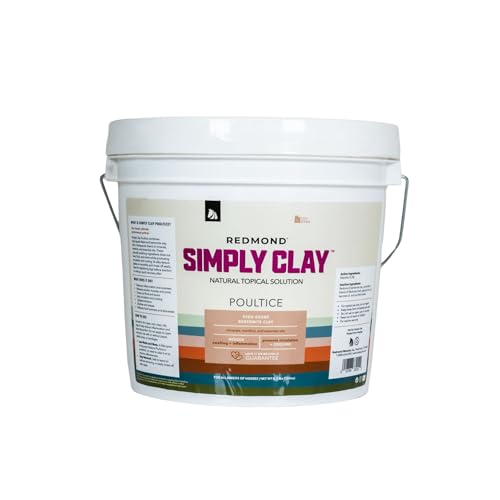
REDMOND REDMOND Red Edge Equine Poultice
A simple natural mineral clay for soothing legs and feet across all horse breeds
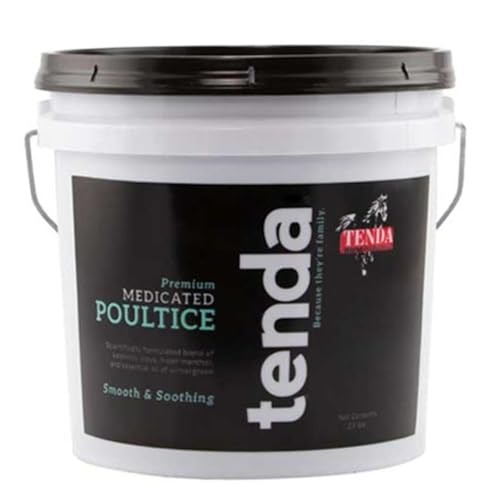
Tenda Tenda Premium Medicated Poultice
A large clay tub with menthol and wintergreen to ease soreness, stiffness, and swelling

Finish Line Finish Line Original Premium Clay
A big 45-pound tub of cooling clay, economical for barns that poultice often

Equilite Sore No More Performance Ultra Poultice
A stronger herbal poultice from the Sore No More range for harder-working or sorer legs
Quick Comparison
| Poultice | Type | Size | Best For |
|---|---|---|---|
| Horse Health IceTight | Cooling clay | 7.5 lb | Long-lasting overnight cooling |
| Sore No More Cooling Clay | Herbal cooling clay | 5 lb | Natural-ingredient fans |
| REDMOND Red Edge | Natural mineral clay | Bucket | Simple all-purpose clay |
| Tenda Medicated | Menthol clay | 23 lb | Value and added soothing |
| Finish Line Premium Clay | Cooling clay | 45 lb | Frequent use in a busy barn |
| Sore No More Ultra | Herbal poultice | Tub | Harder-working, sorer legs |
How We Chose
These picks are based on research into ingredients and intended use, brand reputation, label guidance, and patterns across verified owner reviews. We did not test these products on horses or run a barn trial. We favored established clay formulas with clear directions, included natural-herbal and medicated options as well as plain cooling clays, and spread the picks across sizes so there is a sensible choice whether you poultice occasionally or run through tubs in a busy yard.
When to Reach for a Poultice
- After hard work: A cooling clay on the lower legs helps soothe tired tendons and joints and reduce filling.
- Stocked-up or filled legs: Poultice and a wrap can help bring down mild, non-painful swelling that builds during stall rest.
- Sore or bruised feet: A poultice on the sole, held with a poultice boot or wrap, can ease a tender foot.
- Suspected hoof abscess: A warm, moist poultice is often used to help draw and soften an abscess, ideally with your vet or farrier guiding you.
Important: heat, swelling, and lameness can signal something serious, from a tendon injury to an infected joint. Poultice is a comfort measure, not a diagnosis, so loop in your vet when a leg is painful, hot, or not improving.
How to Apply and Wrap a Poultice
- Start with a clean, dry leg or hoof.
- Spread an even layer of clay over the area, following the label for thickness and temperature.
- For legs, cover the clay with dampened paper or a poultice paper, then a clean quilt or cotton.
- Apply a standing wrap firmly but not tight, with even pressure and the correct direction, to hold everything in place.
- For hooves, pack the sole and secure with a poultice boot, vet wrap, and a strip of duct tape for durability.
- Remove within the labeled time, wash the area, and check the leg or hoof.
Wrapping a leg correctly matters a great deal, because a bandage that is too tight or uneven can damage tendons. If you have not wrapped before, have your vet or an experienced horseperson show you in person before you rely on it.
The Bottom Line
A cooling poultice is a simple, affordable way to soothe a senior horse's tired legs and feet after work or during a flare-up. Keep a tub on hand, learn to wrap properly, and treat poulticing as one comfort layer within a complete plan that also includes joint support, sensible exercise, good farrier care, and your veterinarian's guidance.
This article is educational and does not replace advice from your equine veterinarian or farrier.
Related Guides
- Best Liniments for Horses - Topical comfort for muscles and joints.
- Managing Arthritis in Senior Horses - Where topicals fit in the plan.
- Arthritis in Senior Horses - Signs and treatment overview.
Frequently Asked Questions
What is a poultice and what does it do for a horse?
A poultice is a moist paste, usually a clay-based formula, that you spread on a horse's leg or hoof to draw out heat, reduce swelling, and soothe tired or sore tissue. As it works and dries, it pulls moisture and heat from the area. Owners commonly use poultices on the lower legs after hard work, on a filled or stocked-up leg, or on the sole to ease a bruised or sore foot.
How long should I leave a poultice on?
It depends on the product and purpose. Many cooling clay poultices on the legs are left on for several hours up to overnight under a wrap, then washed off, while some longer-lasting formulas are designed to stay on up to 24 hours. Hoof poultices for a sore foot are often changed every 12 to 24 hours. Always follow the label directions and check the leg or hoof when you remove it.
Should a poultice be applied warm or cold?
Most leg poultices for senior horses are cooling clay formulas applied at room temperature to draw heat and reduce swelling after work, and many owners chill the paste or wet the wrap for extra cooling. Warm poultices are sometimes used to soften and draw an abscess in the hoof. Match the temperature to the goal, and when in doubt about a suspected abscess, ask your vet or farrier.
Do I need to wrap over a poultice?
For leg poultices, yes, usually. After spreading the clay you typically cover it with dampened paper, then a quilt or cotton and a standing wrap to hold it in place and keep it moist. Wrapping must be done correctly and not too tight, since a bad wrap can damage tendons. For hoof poultices, you secure the paste to the sole with a poultice boot, vet wrap, or duct tape. Learn proper wrapping from your vet first.
Can a poultice help an arthritic senior horse?
It can ease the secondary soreness and filling that come with hard work or a flare-up, especially in the lower legs. A cooling poultice after exercise soothes tired joints and tendons and helps reduce stocking up. Like a liniment, though, it works on the surface and does not treat the arthritis inside the joint, so use it as a comfort tool alongside joint support, sensible work, and veterinary care.
Is a poultice safe to use on the hoof for an abscess?
Poulticing the hoof is a common way to help draw and soften a suspected abscess, often using a clay poultice or a wet, warm pack held on with a poultice boot or wrap. However, a hoof abscess can look like or hide more serious problems, so it is best to involve your vet or farrier, especially if the horse is very lame, the foot is hot, or there is no improvement within a day or two.
Need more help with your senior horse?
Browse our guides by topic to find practical solutions.
Senior Horse Care Kit: $24