White Line Disease in Horses: Senior Owner's Guide
What white line disease is, how to spot it in an older horse, why resection and air are the keys to treatment, and how to keep the hoof wall healthy long term.
White line disease is one of those hoof problems that often hides in plain sight. It rarely causes pain in its early stages, so it is frequently discovered by a farrier mid-trim rather than noticed by the owner. Yet left unchecked, this slow infection of the inner hoof wall can undermine a surprising amount of the foot and, in advanced cases, destabilize it entirely. For senior horses with already weakened walls, understanding what white line disease is and how it is treated helps you catch it early and work effectively with your farrier to clear it.
White Line Disease Care Essentials
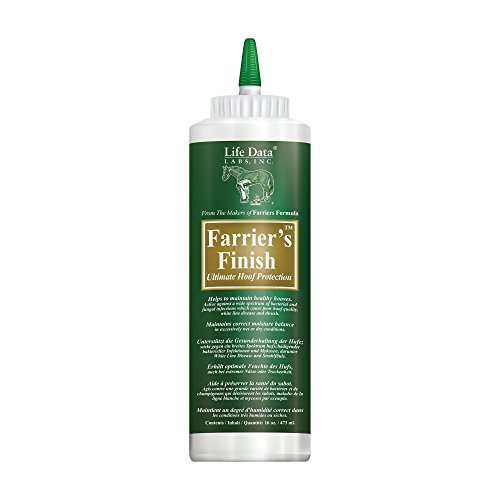
Life Data Labs Life Data Farrier's Finish Hoof Disinfectant
Farrier-favorite disinfectant and conditioner for treating white line, seedy toe, and resected hoof wall.
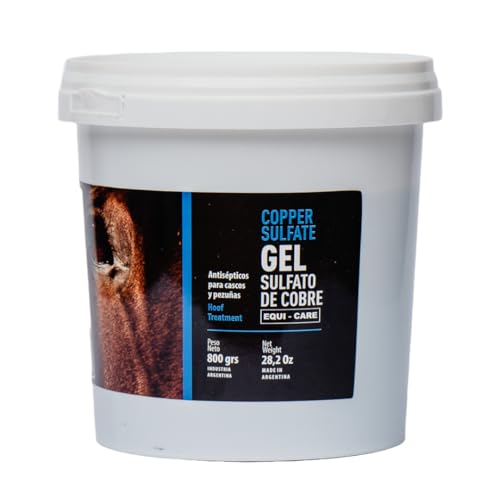
Equi-Care Equi-Care Copper Sulfate Hoof Gel
Copper sulfate gel that clings inside cavities to fight the fungi and bacteria behind white line disease.
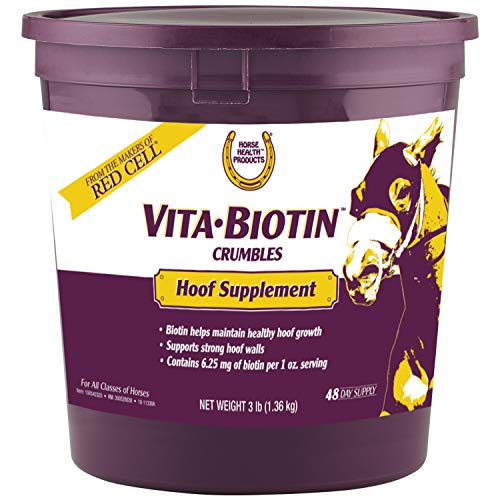
Horse Health Horse Health Vita Biotin Crumbles
Biotin hoof supplement to support stronger, better-connected wall growth as the foot recovers.
What white line disease actually is
The name is a little misleading. The white line is the junction you can see on the bottom of the foot where the hoof wall meets the sole. White line disease usually affects the layer just inside that junction, where opportunistic fungi and bacteria invade the inner, non-pigmented hoof wall. These organisms eat away at the tissue, leaving a crumbly, chalky, hollow cavity that slowly travels up the wall toward the coronary band. Because the infection works from the inside out, the outer wall can look almost normal while a hollow pocket grows underneath it.
The crucial fact about these organisms is that they are anaerobic and shun light. They thrive in the warm, dark, moist gap between the wall and the foot, which is exactly why the standard treatment is to open that pocket up and expose it to air.
How to recognize it in an older horse
Early white line disease is silent. As it progresses you may notice a stretched or separated white line at the ground surface, a powdery or cheesy chalk-like material when the farrier picks at the area, and a hollow or drum-like sound when the wall is tapped. In advanced cases the wall may bulge or distort, and because the foot is losing structural support, the horse can finally become lame. Many cases are caught on a routine trim before they ever reach that point, which is one more reason a regular farrier cycle matters so much for seniors.
Why senior horses are at higher risk
White line disease needs a foothold, a place where the hoof wall is already weakened or separated. Older horses provide plenty of those opportunities. Years of wear leave walls more brittle and prone to cracks. A history of laminitis creates a stretched, compromised white line that is easy for organisms to colonize. Metabolic conditions such as PPID weaken hoof quality and immune defenses. Add in damp footing, irregular trimming, or poor hoof balance, and the conditions are ideal. None of these factors guarantee the disease, but together they explain why it shows up more often in aging horses.
How white line disease is treated
- Resection. The farrier or vet removes the loose, undermined, diseased hoof wall covering the cavity. This is the single most important step, because it exposes the infected tissue to air and light that the organisms cannot tolerate.
- Cleaning and disinfecting. The exposed area is cleaned and treated with a hoof disinfectant or antifungal product. Copper sulfate and similar treatments are commonly used to kill the remaining organisms.
- Keeping it clean and dry. The foot must stay clean and dry while it heals, which may mean a protective boot or careful environment management.
- Regrowing healthy wall. New, healthy hoof wall must grow down from the coronary band to replace what was removed. This takes months, so treatment continues over several farrier cycles.
- Support and stabilize. In larger resections, your farrier may use special shoeing or hoof repair to stabilize the foot while it regrows.
| Stage | What you see | Approach |
|---|---|---|
| Early | Small powdery pocket, found on trim | Resect, disinfect, monitor closely |
| Moderate | Hollow wall, stretched white line | Larger resection, regular treatment, biotin support |
| Advanced | Wall distortion, possible lameness | Vet plus farrier, stabilizing shoes, long regrowth |
Senior Horse Care Planner
Track your senior horse's vital signs, feed and body condition, farrier and dental schedule, medications, and quality of life, all in one printable planner.
Prevention and long-term hoof health
You cannot disinfect your way out of white line disease if the underlying hoof keeps offering it new openings, so prevention is really about overall hoof quality and management. Stay on a consistent four to six week farrier schedule so cracks and white line stretching are caught and corrected before organisms move in. Keep footing clean and as dry as conditions allow, and pick out the feet every day so you are familiar with how each one normally looks. Support the wall from the inside with balanced nutrition and a biotin supplement where your vet agrees it helps. For metabolic seniors, tight control of PPID and a low-sugar, low-starch diet protects hoof wall integrity throughout the foot. Caught early and managed patiently with a good farrier, white line disease is very manageable, even in an older horse.
Pet Insurance · Sponsored
Have a Dog or Cat at Home Too? Protect Them From Surprise Vet Bills
Most horse owners share their home with a dog or cat as well, and one emergency visit can run into the hundreds or thousands. Pet insurance can help cover surprise vet bills so a sudden cost does not force a hard choice. Get a free quote and see what coverage fits your household.
Frequently Asked Questions
What is white line disease in horses?
White line disease is a progressive infection of the inner hoof wall, where fungi and bacteria invade the layer between the hard outer wall and the sensitive structures inside. Despite the name, it usually affects the tissue just inside the white line rather than the line itself. The infection eats away at the hoof wall from within, creating a crumbly, hollow, chalky cavity that gradually separates the wall from the foot if left untreated.
How do you know if your horse has white line disease?
Early on there are often no outward signs, and it is found when a farrier trims and discovers a powdery, hollow area in the wall. As it advances you may see a separation or stretched white line at the ground surface, a hollow sound when the wall is tapped, crumbly chalky material in the cavity, and sometimes a bulging or distorted hoof wall. Lameness is uncommon until a large amount of wall is undermined.
What causes white line disease in senior horses?
There is no single cause. The infection takes hold where the hoof wall is already weakened or separated, such as a crack, an old laminitis line, white line stretching, or chronic moisture damage. Once a gap exists, opportunistic fungi and bacteria move in. Older horses with brittle walls, prior laminitis, or metabolic conditions like PPID are more vulnerable, and damp footing combined with poor hoof balance creates ideal conditions for it to spread.
How is white line disease treated?
The cornerstone of treatment is resection, where the farrier or vet removes the undermined, diseased hoof wall to expose the infected tissue to air, because the organisms cannot survive oxygen and light. After resection the area is cleaned and treated with a hoof disinfectant, then kept clean and dry while new wall grows down. Treatment continues over months on a regular farrier cycle until healthy wall has fully regrown.
Will white line disease go away on its own?
No. White line disease will not resolve without intervention because the diseased pocket stays warm, dark, and moist, exactly the environment the organisms need. Left alone, it slowly undermines more of the hoof wall and can eventually destabilize the foot and cause lameness or even rotation of the coffin bone in severe cases. The infection must be exposed to air through resection and managed consistently to clear it for good.
Can you prevent white line disease?
You can lower the risk by keeping the hoof wall strong and well connected. Maintain a regular farrier schedule so cracks and white line stretching are caught and addressed early, keep footing as clean and dry as possible, and pick out the feet daily. Support hoof quality with balanced nutrition and biotin where your vet recommends it. For metabolic seniors, controlling PPID and keeping sugar and starch low protects the whole hoof wall.
Is white line disease the same as seedy toe?
The terms are often used interchangeably, and many people call a localized pocket at the toe seedy toe and a more widespread version white line disease. Both describe separation and infection of the inner hoof wall. The practical approach is the same: expose the cavity to air by resecting the loose wall, treat with a disinfectant, and keep the foot clean and dry while healthy wall grows back down from the coronary band.
Need more help with your senior horse?
Browse our guides by topic to find practical solutions.
Wellness Planner: $39