Founder Prevention in Senior Horses: A Care Guide
How to protect an older horse from founder by managing metabolic disease, diet, and grazing, spotting early laminitis signs, and acting fast when risk is high.
Founder is one of the most feared words in the senior horse world, and for good reason. It represents the point where laminitis has caused real mechanical failure inside the foot, and it can be painful, costly, and in severe cases life-threatening. The hopeful news is that founder is largely preventable. For the vast majority of older horses, it is driven by metabolic conditions and dietary triggers that you can identify and manage. By understanding the causes and building the right prevention habits, you can dramatically lower the odds that your senior ever founders.
Founder Prevention Essentials
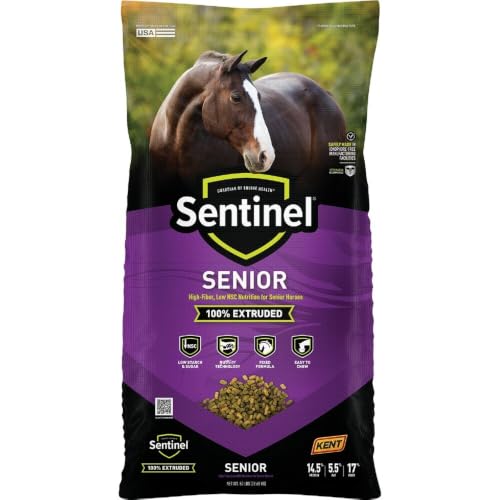
Kent / Blue Seal Sentinel Senior Low Sugar Low Starch Feed
Low-sugar, low-starch senior feed formulated for metabolic horses at risk of laminitis and founder.

Tough 1 Tough 1 Grazing Muzzle
Limits grass intake on rich pasture to protect easy keepers and metabolic seniors from founder.
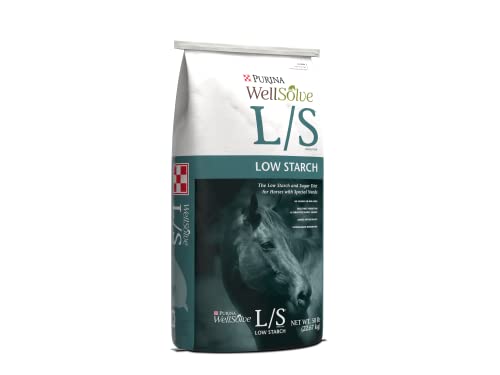
Purina Purina Triple Crown Lite Low Starch Feed
Controlled-starch feed to help manage horses prone to laminitis without excess sugar.
Founder and laminitis: the connection
It helps to be clear on the terms. Laminitis is inflammation and damage to the laminae, the interlocking structures that bond the coffin bone to the inside of the hoof wall. When that bond fails badly enough, the coffin bone can rotate downward or sink within the hoof, and that mechanical failure is what people usually mean by founder. In everyday conversation the words are used interchangeably, but the practical point is simple: founder is the serious end stage of laminitis, so preventing laminitis is the way you prevent founder. Everything in a prevention plan aims at stopping that inflammatory process before it can damage the foot.
Why seniors are at higher risk
Older horses founder more often largely because they develop the metabolic conditions that drive laminitis. Two stand out. PPID, also called Cushing's disease, becomes increasingly common with age and significantly raises laminitis risk. Equine metabolic syndrome, with its hallmark insulin dysregulation, is the other major culprit, often seen in easy keepers carrying extra weight. Both conditions can simmer quietly for years before causing an obvious problem, and the first sign is sometimes a bout of laminitis itself. Layer on reduced exercise, regional fat deposits, and access to rich pasture, and you can see why aging horses need proactive, watchful management.
The pillars of founder prevention
- Test and treat metabolic disease. Ask your vet to screen older horses for PPID and insulin dysregulation, and treat what you find. Controlling the underlying condition is the most powerful prevention you have.
- Keep your horse lean. Use the Henneke body condition score to aim for a moderate weight. Excess fat worsens insulin problems and raises risk.
- Feed low sugar and low starch. Build the diet around forage tested low in non-structural carbohydrates, and avoid grain and sweet feeds.
- Manage grazing. Restrict or muzzle access to rich grass, especially during spring and fall flushes, after frost, and on sunny afternoons when sugars peak.
- Maintain hoof care. Keep a regular farrier cycle so the feet stay balanced and any early changes are noticed.
Diet and grazing in detail
Because diet is such a direct lever, it deserves close attention. For an at-risk senior, aim for hay tested at under roughly ten to twelve percent non-structural carbohydrates, soaking hay when needed to leach out some sugar. Replace grain and sweet feed with a ration balancer or a low-starch senior feed that fills vitamin and mineral gaps without piling on calories or sugar. Treats should be low-sugar too. Pasture is the trickiest part, since lush grass can spike in sugar exactly when it looks most tempting. A grazing muzzle that slows intake, limited turnout times, or a dry lot with controlled hay all let an at-risk horse enjoy turnout without the founder risk of unrestricted grazing.
| Risk factor | Prevention action |
|---|---|
| PPID or insulin dysregulation | Vet testing and ongoing treatment |
| Overweight, easy keeper | Weight loss plan, restricted calories |
| Rich spring and fall pasture | Grazing muzzle, dry lot, limited turnout |
| Grain and sweet feed | Switch to low-starch feed or ration balancer |
Senior Horse Care Planner
Track your senior horse's vital signs, feed and body condition, farrier and dental schedule, medications, and quality of life, all in one printable planner.
Catching trouble early
Even with the best prevention, you want to recognize laminitis at the first hint so you can act before it becomes founder. Learn what a normal digital pulse feels like at the back of the pastern so you notice when it becomes bounding, and check for heat in the front feet. Watch for a horse that is suddenly footy or short-strided, shifts weight from foot to foot, lies down more, or stands camped out rocking onto the heels. Any of these signs in a metabolic or overweight senior is an emergency. Call your vet immediately, get the horse off any trigger such as grass, and provide soft footing while you wait. Early veterinary intervention, prompt foot support, and tight management of the underlying cause give your senior the very best chance of staying sound for years to come.
Pet Insurance · Sponsored
Have a Dog or Cat at Home Too? Protect Them From Surprise Vet Bills
Most horse owners share their home with a dog or cat as well, and one emergency visit can run into the hundreds or thousands. Pet insurance can help cover surprise vet bills so a sudden cost does not force a hard choice. Get a free quote and see what coverage fits your household.
Frequently Asked Questions
What is the difference between laminitis and founder?
Laminitis is the inflammation and damage to the laminae, the structures that bond the coffin bone to the hoof wall. Founder is the term often used when laminitis has progressed to the point where the coffin bone rotates or sinks within the hoof. In practice people use the words loosely, but the key idea is that laminitis is the disease process and founder is the serious mechanical failure that can follow. Preventing laminitis is how you prevent founder.
Why are senior horses more prone to founder?
The biggest reason is that older horses commonly develop metabolic conditions that drive laminitis. PPID (Cushing's disease) and equine metabolic syndrome with insulin dysregulation are both far more common in seniors and dramatically raise laminitis risk. Add easy keepers carrying extra weight, reduced exercise, and access to rich pasture, and the danger climbs. Because the metabolic cause is often silent until a horse founders, proactive testing and management are essential for aging horses.
How do I prevent founder in my older horse?
Prevention centers on controlling the metabolic and dietary triggers. Keep your horse at a healthy body condition score, feed a low-sugar, low-starch diet, limit or manage grazing especially in spring and fall, and use a grazing muzzle or dry lot for at-risk horses. Have your vet test for and treat PPID and insulin dysregulation. Maintain regular farrier care and watch for early warning signs. Catching metabolic disease early is the single most powerful prevention step.
What are the early warning signs of founder?
Watch for a horse that is suddenly footy or short-strided, especially on hard ground, shifting weight from foot to foot, lying down more than usual, or standing in a camped-out stance rocking weight onto the heels. A bounding digital pulse and heat in the front feet are important early clues. Any of these signs, particularly in a metabolic or overweight senior, warrant an immediate call to your vet, because early intervention greatly improves the outcome.
Can pasture grass really cause founder?
Yes. Lush pasture can be very high in non-structural carbohydrates, the sugars and starches that trigger laminitis in susceptible horses. Levels spike on sunny days, after frost, and during spring and fall flushes. For an easy keeper or a horse with EMS or PPID, unrestricted grazing at these times is one of the most common founder triggers. A grazing muzzle, restricted turnout, or a dry lot with controlled forage protects high-risk seniors from grass-related laminitis.
What should I feed a horse at risk of founder?
Feed a forage-based, low-sugar, low-starch diet, ideally with hay tested at under about ten to twelve percent non-structural carbohydrates, soaking hay to lower sugar if needed. Avoid grain, sweet feeds, and high-sugar treats. Use a ration balancer or low-starch senior feed to fill nutrient gaps without excess calories. Keep the horse lean. Always design the diet with your vet, especially if your horse has confirmed PPID or insulin dysregulation, so it matches the specific condition.
Is founder reversible once it happens?
Founder cannot be undone, because rotation or sinking of the coffin bone is permanent structural damage, but many horses recover to soundness and comfort with prompt, committed treatment. The priorities are removing the trigger, controlling pain and inflammation, providing mechanical foot support through corrective farrier work, and managing the underlying metabolic cause. Outcomes are best when laminitis is caught early before significant rotation occurs, which is exactly why prevention and early detection matter so much.
Need more help with your senior horse?
Browse our guides by topic to find practical solutions.
Wellness Planner: $39