Farrier Schedule for Senior Horses Explained
How often older horses need trimming, why slower hoof growth does not mean longer intervals, and how to keep an arthritic senior comfortable for the farrier.
A reliable farrier schedule is one of the simplest and most powerful things you can do for an aging horse. Regular, balanced trimming keeps the foot level, prevents the flares and cracks that lead to lameness, and protects the arthritic joints above the hoof from uneven strain. Yet many owners stretch the interval as a horse retires, assuming slower hoof growth means less frequent visits. That assumption can quietly cause real problems. This guide explains how often a senior really needs the farrier and how to make those visits comfortable for a stiff older horse.
Between-Visit Hoof Care Tools

Ultimate HoofPick Ultimate HoofPick
Heavy-duty pick that makes daily cleaning easy between farrier visits.
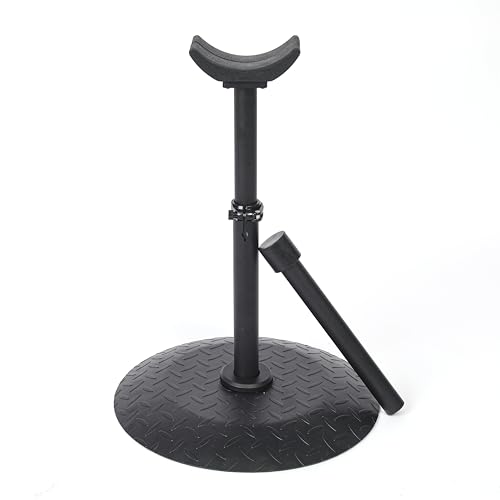
homcare Adjustable Farrier Hoof Stand
Height-adjustable stand that lets a stiff senior rest a leg comfortably during trims.

Absorbine Hooflex Hoof Conditioner
Dressing to maintain moisture balance and wall quality between appointments.
How often is right?
For the great majority of senior horses, a four to six week farrier cycle is ideal, the same interval recommended for adult horses in work. While hoof growth does slow a little with age, the foot still develops imbalances between visits. Arthritic horses often load a limb unevenly to spare a sore joint, which produces flares and uneven wear that a timely trim corrects. Horses with metabolic disease or a history of laminitis may need even shorter intervals to keep the foot precisely balanced. The right number is the one your farrier sets after watching how your individual horse's feet grow.
Why slower growth does not mean longer intervals
It is tempting to reason that if the hoof grows slower, it can go longer between trims. In reality, the problems a trim addresses are about balance and shape, not just length. A foot can grow relatively little yet still flare at the toe, develop under-run heels, or wear unevenly, all of which throw off the alignment of the leg and stress the joints. Stretching the cycle lets these distortions build up, and on an arthritic senior they translate quickly into discomfort and reduced movement. A steady cycle keeps the foot level and the legs aligned.
| Horse situation | Typical cycle | Notes |
|---|---|---|
| Healthy retired senior | 5 to 6 weeks | Often barefoot on soft footing |
| Senior in light work | 4 to 6 weeks | Trim or shoes per workload |
| Arthritic senior | 4 to 5 weeks | Balance protects sore joints |
| Laminitic or metabolic | 4 weeks or less | Per vet and farrier guidance |
Making the visit comfortable for a stiff horse
A senior with arthritis can find holding a leg up genuinely painful, which makes farrier visits stressful for everyone. A few simple steps make a big difference:
- Time any pain relief. If your vet has prescribed anti-inflammatory medication, giving it before the appointment can ease stiff joints. Always follow veterinary direction on dosing.
- Warm up the joints. A short walk beforehand loosens stiff legs so the horse can balance more easily.
- Use a hoof stand and short sessions. A patient farrier who lets the horse rest a leg on a stand and works in short bursts will get far more cooperation than one who rushes.
- Schedule for calm times. Pick a quiet part of the day when the horse is relaxed and not anxious about feeding or turnout.
- Communicate clearly. Tell your farrier which limbs are sore and how your horse copes, so they can adapt their approach.
Your farrier as a health partner
A skilled farrier does much more than trim. Working on your horse's feet every few weeks, they are well placed to spot the early signs of laminitis, thrush, white line disease, abscesses, and cracks, and to notice when uneven wear hints at arthritis or compensation for pain elsewhere. Farriers frequently catch the first foot signs of PPID and other metabolic disease and flag them for your vet. This makes your farrier a valuable regular set of expert eyes on your senior's overall wellbeing, not just a hoof technician.
What you do between visits
The farrier sets the foundation, but daily care between visits is your job. Pick out the feet every day to remove packed dirt and check for thrush, heat, and tenderness. Keep footing clean and dry to protect wall and frog quality. Use a hoof conditioner if your farrier recommends one for dry or cracked walls, and feed a balanced diet that supports hoof horn. Note anything unusual to share at the next appointment. This partnership of professional trimming and attentive daily care keeps the cycle working.
Senior Horse Care Planner
Track your senior horse's vital signs, feed and body condition, farrier and dental schedule, medications, and quality of life, all in one printable planner.
Consistency is everything
The single most important thing about a senior horse's farrier schedule is consistency. Book the next appointment before the current one ends so the cycle never lapses, and budget for the whole year so cost never becomes a reason to skip a visit. A neglected foot costs far more in abscesses, lameness, and joint strain than steady maintenance ever would. With a reliable farrier on a sensible cycle, attentive daily care, and good communication between you, your farrier, and your veterinarian, your older horse's feet can stay sound and comfortable well into its senior years.
Pet Insurance · Sponsored
Have a Dog or Cat at Home Too? Protect Them From Surprise Vet Bills
Most horse owners share their home with a dog or cat as well, and one emergency visit can run into the hundreds or thousands. Pet insurance can help cover surprise vet bills so a sudden cost does not force a hard choice. Get a free quote and see what coverage fits your household.
Frequently Asked Questions
How often should a senior horse see the farrier?
Most older horses do best on a four to six week cycle, the same as adult horses in work. Hoof growth slows slightly with age, but the interval should not be stretched, because an unbalanced foot stresses arthritic joints quickly. Some metabolic or laminitic horses need even more frequent trims. Your farrier sets the ideal interval based on how your individual horse's feet grow and wear.
Does slower hoof growth mean longer trim intervals?
No, and this is a common mistake. Even though an older hoof grows a little slower, it still develops flares, under-run heels, and uneven wear between visits, especially when arthritis causes the horse to load the foot unevenly. Keeping a steady four to six week cycle maintains balance and protects the joints above the hoof. The goal is a level, well-balanced foot, not simply less frequent trimming.
How can I help my arthritic horse stand for the farrier?
Plan ahead. Give any vet-approved pain relief before the appointment, schedule the visit for a time when the horse is relaxed, and allow the farrier to work in short sessions with rest breaks. A hoof stand lets the horse rest a leg at a comfortable height. Light movement to warm up stiff joints beforehand helps too. Tell your farrier exactly which limbs are sore so they can adapt.
Should a retired senior horse still be trimmed?
Absolutely. Even a fully retired horse that is never ridden needs regular trimming to keep the hooves balanced and prevent flares, cracks, and overgrowth that would strain the legs. Pasture wear alone rarely keeps feet level. A retired horse on soft footing may go barefoot, but it still needs the farrier on a regular cycle to stay sound and comfortable.
What does a farrier look for in an older horse's feet?
Beyond routine trimming, a good farrier watches for signs of laminitis, thrush, white line disease, cracks, abscesses, and changes in how the horse is loading each foot. Uneven wear can reveal arthritis or compensation for pain elsewhere. Farriers often spot the early signs of metabolic disease in the feet and will flag concerns for your vet, making them an important set of eyes on your senior's health.
How much does regular farrier care cost for a senior?
Costs vary by region and by whether the horse is barefoot trimmed or shod. A routine trim is the most economical, while therapeutic shoeing for a laminitic or arthritic horse costs more. Over a year, regular maintenance is far cheaper than treating the lameness, abscesses, and joint strain that result from neglected feet. Budget for the full year so the cycle never lapses for cost reasons.
Can I trim my senior horse's hooves myself?
Hoof trimming is a skilled craft, and a poor trim can quickly cause lameness or worsen a metabolic or arthritic horse's comfort. Most owners are far better served by a qualified farrier, especially for a senior with complicated feet. You can absolutely learn to pick out feet daily, monitor for problems, and apply topical treatments, but leave the trimming and shoeing to a trained professional.
Need more help with your senior horse?
Browse our guides by topic to find practical solutions.
Wellness Planner: $39