Why Is My Old Horse Stumbling?
Stumbling in a senior horse points to the feet, joints, or nervous system. Learn the causes from long toes and arthritis to vitamin E deficiency, plus when to stop riding.
Stumbling in an older horse usually traces to one of three areas: the feet, the joints, or the nervous system. Sore or poorly balanced feet, long toes, arthritis, weakness, and failing vision are common and often fixable causes, while neurological problems such as spinal arthritis, EPM, or vitamin E deficiency are less common but more serious. Because a stumble can become a dangerous fall, a horse that suddenly starts tripping should be examined by a vet.
A horse that catches a toe now and then on rough ground is one thing, but a senior that begins tripping regularly is telling you something has changed. Stumbling is both a clue to a health problem and a safety hazard for horse and rider. This guide walks through the likely causes, from the simple to the serious, and how your vet and farrier sort them out.
Hoof, Joint, and Nerve Support for a Stumbling Senior

Kentucky Performance Vitamin E Supplement
Supports healthy nerve and muscle function in older horses
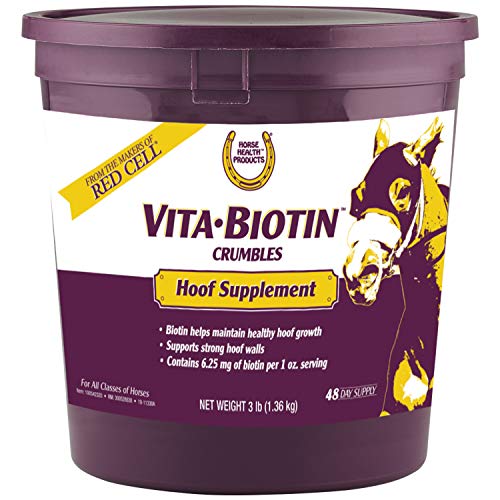
Horse Health Biotin Hoof Crumbles
Biotin and nutrients to support strong, healthy hoof growth

Cosequin ASU Joint Health Supplement
Glucosamine and ASU for stiff, arthritic senior joints

Formula 707 Hoof Health Supplement
Biotin-based hoof support for sound, well-balanced feet
These supplements support feet, joints, and nerves, but they only help if they match the cause. Start with a vet and farrier evaluation so you treat the real reason your horse is tripping rather than guessing.
The Common Causes of Stumbling
Hoof Imbalance and Long Toes
One of the most common and easily corrected causes is poor hoof balance. Long toes and underrun heels delay break-over, the moment the toe leaves the ground, so the foot lingers a fraction too long and catches. A correct farrier trim that shortens the toe and restores balance often resolves the tripping quickly. Keeping your senior on a regular farrier schedule is one of the best things you can do.
Foot Pain
A horse that hurts when it loads a foot will land carefully and may stumble. Causes include bruising, abscesses, navicular changes, and laminitis. Foot soreness usually shows as a shortened, careful stride and reluctance to move on hard ground. Laminitis in particular is an emergency, so see our guide to laminitis in senior horses if you suspect it.
Arthritis and Weakness
Arthritis stiffens joints and shortens the stride, so the horse does not pick up its feet as cleanly, especially before it has warmed up. Muscle loss from age, PPID, or poor nutrition adds weakness that makes a horse trip when tired. Joint support, vet-guided pain relief, balanced trimming, and sensible exercise all help. See signs a senior horse is in pain.
Vision Loss
An older horse with cataracts, uveitis, or other vision loss may misjudge the ground and stumble, particularly in low light or unfamiliar footing. A vet eye exam can identify this, and a safe, predictable environment helps these horses cope.
Neurological Disease
When stumbling comes with swaying, limb crossing or dragging, a wobbly gait, or trouble backing and turning, a neurological cause is likely. Spinal arthritis pinching the spinal cord, EPM, and vitamin E deficiency are examples. These need a proper neurological exam and should be evaluated before the horse is ridden.
How the Vet and Farrier Investigate
| Suspected Cause | How It Is Assessed |
|---|---|
| Hoof imbalance | Farrier evaluation, hoof balance and toe length |
| Foot pain | Lameness exam, hoof testers, sometimes imaging |
| Arthritis | Flexion tests, joint imaging |
| Vision loss | Veterinary eye exam |
| Neurological disease | Neuro exam, bloodwork, vitamin E level, imaging |
Keeping a Stumbling Horse Safe
Until you know why your horse is tripping, treat it as a safety issue. Ride with great caution or not at all if the stumbling is frequent, sudden in onset, or paired with any weakness or incoordination, and have your vet examine the horse first. Keep footing even and well maintained, provide good lighting for a horse with failing vision, and stay current with both farrier and dental care, since a comfortable, balanced horse moves more surely. Once the cause is identified, whether it is a long toe to be trimmed, an arthritic joint to support, or a neurological issue to treat, your vet can guide when it is safe to return to work. Addressing stumbling early protects both your horse and you.
Frequently Asked Questions
Why is my old horse stumbling?
Stumbling in an older horse usually comes from one of three areas: the feet, the joints, or the nervous system. Sore or poorly trimmed feet, long toes, arthritis, and weakness from muscle loss all make a horse trip, as does failing eyesight. Less common but important are neurological causes such as spinal arthritis, EPM, or vitamin E deficiency. Because some causes are serious and stumbling itself is a safety risk, a horse that suddenly starts tripping should be examined by a vet.
Is stumbling in horses serious?
It can be, both for the cause and the danger. Frequent stumbling risks a fall that could injure the horse or rider, so it should never be ignored. Many cases trace to manageable problems like long toes, foot soreness, or arthritis, but stumbling can also signal a neurological disease that affects coordination. The key is to identify whether the horse is tripping from foot or joint pain, weakness, poor vision, or a nervous-system problem, which guides the right treatment.
Can long toes or bad trimming cause stumbling?
Yes, hoof balance is one of the most common and fixable causes. Long toes and underrun heels delay how quickly the foot breaks over and leaves the ground, so the toe catches and the horse trips, especially on the forehand. A correct farrier trim that shortens the toe and restores balance often resolves stumbling quickly. This is why a farrier evaluation is one of the first steps for any horse that has started to trip.
Could arthritis make my senior horse trip?
Often, yes. Arthritis in the knees, fetlocks, shoulders, or feet causes stiffness and pain that shorten the stride and reduce how well a horse picks up its feet, leading to stumbling, particularly early in work before the horse warms up. Joint supplements, vet-prescribed pain relief, balanced farrier care, and appropriate exercise can improve the way an arthritic horse moves. See our pages on joint health and pain for more on managing the arthritic senior.
When is stumbling a neurological problem?
Suspect a neurological cause when stumbling comes with other coordination signs: swaying, crossing or dragging the limbs, a wobbly or drunken gait, difficulty backing or turning tightly, or weakness that is worse on slopes. Spinal arthritis pinching the cord, EPM, and vitamin E deficiency are examples. These need prompt veterinary assessment, which may include a neurological exam, bloodwork, and imaging. Neurological stumbling is a safety concern and should be evaluated before the horse is ridden.
Does vitamin E help with stumbling?
It can, when the stumbling stems from a vitamin E deficiency affecting the nerves and muscles. Horses with limited access to fresh green grass can run low on vitamin E, which supports healthy nerve and muscle function, and deficiency can cause weakness and incoordination. If your vet diagnoses or suspects low vitamin E, supplementation often helps. It is not a cure-all, though, so always confirm the cause with your vet rather than supplementing blindly.
Should I stop riding a horse that is stumbling?
Until you know why, ride with great caution or not at all, because a stumble can become a dangerous fall. If the stumbling is frequent, sudden in onset, or paired with any sign of weakness or incoordination, stop riding and have your vet examine the horse first. Once the cause is identified and addressed, whether through farrier work, joint care, or treating a neurological issue, your vet can advise when and how it is safe to ride again.
Need more help with your senior horse?
Browse our guides by topic to find practical solutions.
Senior Horse Care Kit: $24