Lethargy in Senior Horses: What It Means
Dullness in an older horse is a symptom, not a diagnosis. PPID, pain, fever, anemia, ulcers, and dehydration as causes, how to check vitals, and when to call the vet.
When a normally bright horse goes quiet, hangs at the back of the field, or loses its usual spark, it is easy to chalk it up to old age. But lethargy in a senior horse is a symptom, not a diagnosis, and it deserves a closer look. Dullness is the body's way of saying something is off, and the list of possible causes runs from the easily fixed to the genuinely serious.
This guide walks through the common reasons older horses become lethargic, how to assess your horse with simple checks you can do at the barn, and how to tell an ordinary off day from a true emergency. It is educational information meant to support, not replace, a hands-on exam from your own equine veterinarian.
Nutritional Support for a Low-Energy Senior

Purina Purina Active Senior Horse Feed
Easy-to-chew senior feed for energy and condition in older horses
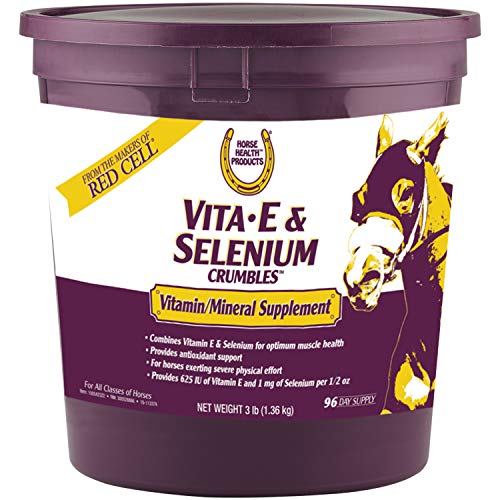
Horse Health Horse Health Vita E & Selenium Crumbles
Antioxidant support for nerve and muscle on hay-based diets

Horse Health Horse Health Vita B-1 Crumbles
B-vitamin support often used for appetite and demeanor

Formula 707 Formula 707 Digestive Health Supplement
Probiotics and prebiotics to support nutrient absorption
One caution before nutrition: feed and supplements help a horse that is dull from being under-fed or poorly absorbing its ration, but they do nothing for lethargy caused by infection, pain, or organ disease. Find the cause first with your vet, then feed to support recovery.
Lethargy Is a Symptom, Not a Diagnosis
The single most important idea in this whole topic is that dullness is a signpost, not a destination. Two lethargic horses can have completely different problems, and treating the tiredness without finding its source wastes time the horse may not have. The goal is always to ask why, and the answer comes from observation, vital signs, and your veterinarian's exam.
Common Causes in Older Horses
- PPID (Cushing's): the most common hormonal disease of senior horses, frequently causing dullness alongside a long coat, muscle loss, and laminitis. See our guide to PPID in senior horses.
- Pain: arthritis, sore feet, or laminitis can sap a horse's energy and willingness to move.
- Fever and infection: any infection, from a hidden abscess to a respiratory bug, makes a horse listless.
- Anemia: a low red cell count from chronic disease, blood loss, or parasites reduces oxygen delivery and leaves a horse weak.
- Gastric ulcers: discomfort that dulls appetite and mood. See gastric ulcers in horses.
- Dental pain: sharp points or loose teeth that stop a horse eating enough.
- Liver or kidney disease: organ dysfunction shows up as dullness and poor appetite. See liver disease and kidney disease.
- Dehydration: common in older horses and a quiet driver of weakness and dullness.
- Depression and poor nutrition: isolation, the loss of a companion, or simply not enough quality feed.
How to Assess a Dull Horse
Before you call, gather information. A few minutes of careful observation and a set of vital signs give your veterinarian a head start and help you judge how urgent the situation is.
| Check | Normal in an Adult Horse | Concern |
|---|---|---|
| Temperature | 99 to 101 degrees F | Above 101.5 suggests fever |
| Heart rate | 28 to 44 beats per minute | Elevated rate signals pain or illness |
| Respiratory rate | 8 to 16 breaths per minute | Fast or labored breathing |
| Gum color | Moist, pale pink | Pale, dark, or muddy gums |
| Capillary refill | Under two seconds | Slow refill suggests poor circulation |
Also note appetite, water intake, manure output, body condition using the Henneke score, and whether the horse is showing any colic signs such as pawing, flank watching, or rolling. Learn your horse's normal numbers while it is healthy so abnormal readings jump out at you later.
When to Call the Vet Right Away
Some findings turn a dull horse into an emergency. Call your veterinarian without delay if you find a fever, a heart rate above the normal range, pale or dark gums, a slow capillary refill, colic signs, refusal to eat or drink, or a horse that is lying down and reluctant to get up. Older horses have less margin than younger ones, so resist the urge to wait overnight when these signs appear. Our guide to when to call the vet covers the full list of red flags.
Supporting a Recovering Senior
Once your veterinarian identifies and treats the cause, good nutrition helps an older horse rebuild energy. Senior feeds are designed to be easy to chew and digest, and soaking them into a mash suits horses with worn teeth. Vitamin E supports nerve and muscle health on hay-based diets, B vitamins are often used to encourage appetite and demeanor, and a digestive supplement may improve how much a horse takes from its ration. Make every dietary change gradually, and keep clean water and free-choice salt available at all times to guard against the dehydration that quietly worsens dullness.
The Bottom Line
A lethargic senior horse is telling you something, and your job is to listen carefully and find out what. Take vital signs, look at the whole picture of appetite, manure, and demeanor, and decide whether this is an off day or an emergency. When in doubt, an aging horse always earns the cautious response, so loop in your veterinarian early. Solve the underlying problem and the energy usually follows.
Related Senior Horse Health Guides
- PPID (Cushing's) in Senior Horses - A leading cause of dullness in older horses.
- Senior Horse Not Eating - When a loss of appetite drives the lethargy.
- When to Call the Vet - The red flags that cannot wait.
- Common Health Problems in Senior Horses - An overview of aging-horse conditions.
Frequently Asked Questions
Why is my senior horse suddenly lethargic?
Lethargy is a symptom, not a diagnosis, and in an older horse it can point to many things: PPID or another hormonal problem, pain from arthritis or feet, a fever from infection, anemia, gastric ulcers, dental pain that stops a horse eating, liver or kidney disease, dehydration, or simply poor nutrition. A sudden change in a normally bright horse deserves attention, especially if it comes with not eating, fever, or colic signs. Start by taking vital signs and calling your veterinarian to help find the cause.
How do I take my horse's vital signs?
Three numbers tell you a lot. A resting adult horse normally has a temperature around 99 to 101 degrees Fahrenheit, a heart rate of about 28 to 44 beats per minute, and a respiratory rate of roughly 8 to 16 breaths per minute. Check gum color, which should be moist and pink, and capillary refill, which should return within two seconds. Learn these baselines when your horse is healthy so abnormal readings stand out. A fever, a fast heart rate, or pale or dark gums all warrant a call to your vet.
When is lethargy an emergency?
Treat lethargy as urgent when it comes with a fever, a heart rate above the normal range, pale, dark, or muddy gums, a slow capillary refill, signs of colic such as pawing or rolling, refusal to eat or drink, or a horse that is down and reluctant to rise. Any of these suggest a serious underlying problem such as infection, severe pain, organ disease, or dehydration. Senior horses have less reserve, so do not adopt a wait-and-see approach when these signs appear. Call your veterinarian promptly.
Can PPID make a horse dull and tired?
Yes. PPID, the hormonal disease still called equine Cushing's, commonly causes lethargy and a duller attitude in older horses, often alongside a long coat that sheds poorly, muscle loss over the topline, increased drinking, and a tendency toward laminitis. Because PPID also weakens the immune system, affected horses pick up infections more easily, which adds to the tiredness. If your senior horse is dull and showing these other signs, ask your vet about an ACTH blood test. Treatment with pergolide often restores energy over weeks.
Could dental problems cause lethargy?
Indirectly, yes. A horse with sharp enamel points, loose or missing teeth, or painful EOTRH may eat less, drop feed, and slowly lose condition, and a horse that is not getting enough calories becomes dull and low on energy. Painful teeth can also make a horse generally miserable. Quidding, dropping balls of half-chewed hay, and slow eating are warning signs. Regular dental floating by a veterinarian or qualified equine dentist keeps the mouth comfortable and is one of the most overlooked supports for a senior horse's vitality.
What nutrition supports a low-energy senior horse?
Once your vet rules out disease, nutrition can help a thin or under-fed senior regain energy. Senior feeds are formulated to be easy to chew and digest, with adequate protein, calories, and balanced vitamins and minerals. Soaking feed into a mash helps horses with poor teeth. Vitamin E supports nerve and muscle health on hay-based diets, and a digestive supplement may help horses absorb more from their ration. Make changes gradually and work with your vet or an equine nutritionist to match the diet to the cause.
Is my horse depressed or sick?
Horses can become withdrawn and dull from genuine depression, often after losing a companion, a change in routine, isolation, or chronic discomfort, and a herd animal kept alone may simply shut down. The trouble is that true illness looks very similar from the outside. The safe approach is to rule out physical causes first: take vital signs, check appetite and manure, and have your vet examine the horse. Only once disease is excluded should you treat the problem as behavioral, with companionship, turnout, and enrichment.
Need more help with your senior horse?
Browse our guides by topic to find practical solutions.
Senior Horse Care Kit: $24