How Long Do Miniature Horses Live? Mini Lifespan
Miniature horses typically live 25 to 35 years and often reach their 30s. Learn mini horse lifespan, common senior health risks, and how to care for an old mini.
Miniature horses typically live 25 to 35 years, and many reach their early to mid 30s, often outliving full-size horses. Their small size contributes to this longevity, but minis carry their own health risks, including obesity, dental crowding, and hyperlipemia. Careful weight and dental management is what gets a miniature horse to the top of that range.
Owning a miniature horse is a long commitment, often three decades or more. This guide explains how long minis live, why they tend to be long-lived, the specific health problems that come with age, and how to keep a senior mini healthy. Compare your mini with other equines using our horse age calculator and the average lifespan by breed chart, and see our full senior miniature horse care guide.
Care Essentials for a Senior Mini

Triple Crown Balancer (Ration Balancer)
Nutrient top-up for easy-keeper minis that gain weight on little feed.

Manna Pro NutriGood Low-Sugar Apple Treats
Low-sugar, low-starch apple treats with no added molasses, a safer reward for an older horse
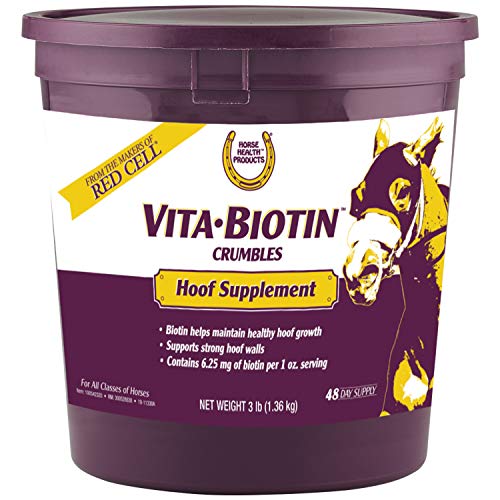
Horse Health Horse Health Vita Biotin Crumbles
Biotin support for healthy hooves on a long-lived miniature horse.
How long miniature horses live
The typical miniature horse lives 25 to 35 years, with many comfortably reaching their early to mid 30s and some documented into their late 30s. Like ponies, minis benefit from the general rule that smaller equines tend to live longer, because their compact frames place less lifelong strain on the heart, joints, and feet than a large horse's. A mini bought as a family companion may well share three decades of life with you, so planning for its long senior years is part of responsible ownership.
The standard life stages apply: senior around 15 to 20 and geriatric from about 20. Given their longevity, a senior mini usually has many active years ahead, and the senior label is simply a cue to tighten up dental, weight, and veterinary care.
Health risks that affect mini lifespan
Minis are hardy, but their small size and efficient metabolism create distinctive risks that owners must manage:
- Obesity and laminitis. Minis gain weight on tiny amounts of feed, and excess weight drives metabolic syndrome and painful laminitis.
- Dental crowding. Full-size teeth packed into a small jaw lead to crowding and abnormalities, making frequent dental exams essential.
- Hyperlipemia. A dangerous fat-metabolism disorder that can be triggered when a mini, especially an overweight one, goes off feed, so any loss of appetite needs prompt veterinary attention.
- Colic. Impaction colic can occur, so steady feeding, dental care, and fresh water matter.
Understanding these risks is the key to longevity, because most are preventable or manageable with good daily care.
Keeping a senior mini healthy
Two things dominate miniature horse care: weight and teeth. Measure feed carefully and resist the urge to overfeed a small, appealing animal, since minis stay healthy on surprisingly little. Often a ration balancer alongside appropriate forage supplies the vitamins and minerals they need without excess calories. Never let a mini go off feed for long, and call your vet quickly if appetite drops, because of the hyperlipemia risk.
Beyond that, keep up the senior care fundamentals: frequent dental exams for crowded mouths, regular farrier trims, parasite control guided by fecal egg counts, and at least yearly veterinary visits, often twice yearly for geriatric minis. Daily turnout, movement, and companionship keep an aging mini physically and mentally well.
Decades of small-package companionship
A miniature horse's long life makes it a rewarding, decades-long companion, but that longevity rests on disciplined weight and dental management. Guard against obesity, watch closely for any loss of appetite, keep the teeth and feet in good order, and lean on your vet for the rest. Do that, and most minis stay bright and active well into their 30s. For more, read our senior miniature horse care guide and our nutrition resources on managing easy keepers.
Frequently Asked Questions
How long do miniature horses live?
Miniature horses typically live 25 to 35 years, and many reach their early to mid 30s, often outliving full-size horses. Their small size contributes to this longevity, much as it does in ponies. With good dental care, careful weight management, and regular veterinary attention, plenty of minis stay active and healthy into their 30s. Some well-cared-for miniature horses have been documented living into their late 30s and beyond.
Do miniature horses live longer than regular horses?
Generally yes. Miniature horses often live into their 30s, while most full-size horses live 25 to 30 years. Smaller equines tend to be longer-lived because their compact frames place less lifelong strain on the heart, joints, and feet. That said, minis face their own health risks, including obesity, dental crowding, and hyperlipemia, so their longevity depends heavily on careful management rather than size alone.
What health problems do miniature horses have as they age?
Miniatures are prone to obesity and the laminitis and metabolic disease that follow, since they gain weight easily on little feed. Dental crowding and abnormalities are common because full-size teeth are packed into a small jaw, making regular dental care essential. They are also at risk of hyperlipemia, a dangerous fat-metabolism disorder triggered by going off feed, plus colic from impaction. Close weight and dental management is central to a healthy old age.
At what age is a miniature horse considered senior?
Miniature horses are considered senior around 15 to 20 years and geriatric from about 20, the same broad stages as full-size horses. Because minis are long-lived, a senior mini frequently has many active years ahead. The senior label is a cue to increase dental exams, monitor weight and metabolism closely, and adjust care, rather than a sign that a hardy miniature horse is nearing the end of its long life.
How do you keep a senior miniature horse healthy?
Focus on weight and dental care above all. Measure feed carefully, since minis gain weight on tiny amounts, and often a ration balancer plus appropriate forage is enough. Never let a mini go off feed for long, because that risks hyperlipemia, so call your vet promptly if it stops eating. Keep up frequent dental exams for their crowded mouths, regular farrier care, parasite control, and at least yearly veterinary checks, often twice yearly for geriatrics.
Why should you not let a miniature horse get fat?
Obesity is one of the most serious threats to a miniature horse's health and lifespan. Excess weight drives equine metabolic syndrome and laminitis, a painful, potentially crippling foot condition, and strains the heart and joints. Minis are extremely efficient at using feed, so they gain weight easily and need careful portion control and limited grazing. Keeping a mini at a healthy body-condition score is one of the best things you can do for its longevity.
Can miniature horses be too old to do anything?
Even very old minis usually enjoy gentle activity, companionship, and turnout, and many continue light driving, in-hand work, or therapy visits into their senior years if sound. As with any equine, capacity depends on health and soundness rather than age alone. A geriatric mini that can no longer work still benefits greatly from daily movement, social contact, and mental engagement, so retirement should mean a comfortable, active life, not isolation or confinement.
Need more help with your senior horse?
Browse our guides by topic to find practical solutions.
Senior Horse Care Kit: $24