How Long Do Draft Horses Live? Draft Lifespan
Draft horses typically live 18 to 22 years, shorter than lighter breeds. Learn why, how to care for an aging Clydesdale, Shire, or Percheron, and what to watch for.
Draft horses typically live 18 to 22 years, a shorter lifespan than lighter riding breeds and ponies. Their large size places greater lifelong strain on the heart, joints, and feet, which contributes to earlier aging. Breeds such as Clydesdales, Shires, Percherons, and Belgians fall in this range, though good weight management and care can push a draft toward the longer end, and some reach their mid 20s.
If you own a draft horse, understanding its shorter lifespan helps you start senior care at the right time and make the most of every year. This guide explains why drafts live shorter lives, the health issues that come with age, and how to care for an aging heavy horse. Compare lifespans across equines with our horse age calculator and the average lifespan by breed chart, and see our full senior draft horse care guide.
Care Essentials for an Aging Draft Horse

Purina Purina Active Senior Feed
Easy-to-chew complete feed to keep an aging draft horse in condition.

Cosequin Cosequin ASU Joint Pellets
Joint support for heavy frames carrying years of weight and work.
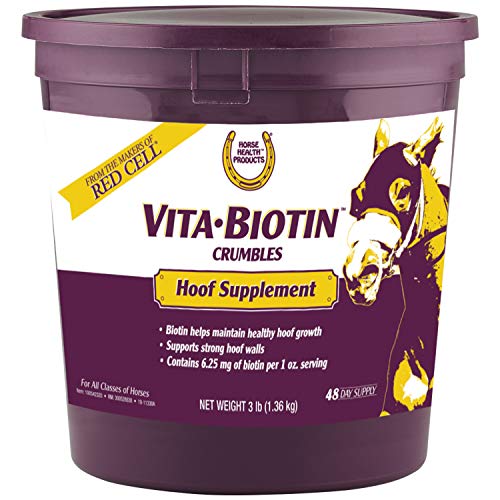
Horse Health Horse Health Vita Biotin Crumbles
Biotin support for the large feet of an aging draft horse.
How long draft horses live
The typical draft horse lives 18 to 22 years, noticeably shorter than the 25 to 30 years usual for light riding horses and well short of the 30-plus years many ponies and miniatures reach. This places drafts at the large, shorter-lived end of the equine size and lifespan spectrum. Individual drafts vary, and a sound, well-managed heavy horse with excellent foot and weight care can reach its mid 20s, but owners should plan around the shorter typical range.
Because their lives are shorter, drafts often reach senior changes a little earlier than small horses. Many are considered senior by their mid teens and geriatric by their late teens to early 20s, so senior monitoring of teeth, joints, and weight should begin somewhat sooner.
Why size shortens the lifespan
Across the animal world, larger individuals within a species often live shorter lives, and horses follow this pattern. The reasons in drafts include:
- Heavy lifelong loads. Great body weight strains the heart, joints, and feet year after year, accelerating wear and arthritis.
- Joint and foot stress. Large frames and big feet carrying heavy loads are prone to earlier joint disease and foot problems.
- Breed predispositions. Some draft breeds are predisposed to specific issues, such as chronic progressive lymphedema in the lower legs or certain muscle disorders.
This is the mirror image of why ponies and minis live longer. Genetics and size set the broad pattern, but attentive care still determines how close a draft gets to the top of its range.
Caring for an aging draft horse
Senior draft care centers on protecting the joints and feet that carry so much weight:
- Manage weight tightly. Every extra pound compounds joint strain on a large frame, so keep a draft at a healthy body-condition score.
- Prioritize foot care. Regular farrier work on big feet, plus biotin support, helps keep an aging draft sound underfoot.
- Support the joints. Use joint supplements as your vet advises, alongside daily turnout and good footing to keep stiff joints mobile.
- Match feed to the teeth. Shift to easy-chew senior feed and soaked forage as dental wear makes long hay harder to manage.
- Keep up routine care. Maintain dental exams, parasite control, vaccines, and at least yearly veterinary checks, watching for breed-specific issues.
Making the most of a draft's years
A draft horse's shorter lifespan is a reason to start senior care early and stay attentive, not a cause for gloom. By keeping these powerful horses lean, sound in the feet, and comfortable in the joints, you help them stay active and content through their late teens and, with luck, into their 20s. Lean on your vet and farrier, who understand the particular demands of heavy horses. For more, read our senior draft horse care guide and explore our mobility and joint care resources.
Frequently Asked Questions
How long do draft horses live?
Draft horses typically live 18 to 22 years, a shorter lifespan than light riding breeds and ponies. Their large size places greater lifelong strain on the heart, joints, and feet, which contributes to earlier aging. Breeds such as Clydesdales, Shires, Percherons, and Belgians fall in this range, though individual care, weight management, and soundness can push a draft toward the longer end. Some well-managed drafts do reach their mid 20s.
Why do draft horses have shorter lifespans?
Larger animals generally live shorter lives, and draft horses are a clear example. Their great size and weight load the heart, joints, and feet heavily over a lifetime, accelerating wear and arthritis. Big horses are also more prone to certain conditions and to weight-related joint strain. This is the opposite end of the scale from ponies and miniatures, which are smaller and longer-lived. Genetics set the pattern, but good care still matters greatly.
At what age is a draft horse considered senior?
Because drafts have shorter lifespans, they often show senior changes a little earlier, with many considered senior by their mid teens and geriatric by their late teens to early 20s. As always, condition matters more than the exact number. A sound, well-managed draft can stay active into its late teens and beyond, but owners should start senior monitoring of teeth, joints, and weight somewhat earlier than they might for a small horse or pony.
What health problems are common in older draft horses?
Older drafts are particularly prone to arthritis and joint disease from carrying so much weight, and to foot problems given their large feet and heavy loads. Some draft breeds are predisposed to conditions such as chronic progressive lymphedema in the lower legs and certain muscle disorders. Weight management is critical, since extra pounds compound joint strain. Regular farrier care, joint support, and veterinary monitoring are especially important for aging draft horses.
How do you care for a senior draft horse?
Prioritize joint and foot care, since these large horses carry heavy loads on their frames. Keep them at a healthy weight to spare the joints, provide regular farrier work for their big feet, and use joint support as your vet advises. Match feed to their dental condition with easy-chew senior feed and soaked forage when needed, and keep up dental, parasite, and veterinary care. Daily turnout and gentle movement help keep stiff joints mobile.
Can older draft horses still work or be ridden?
Many can, in light work, if they remain sound and comfortable. Drafts are powerful and willing, and a healthy older draft may continue gentle driving, light riding, or in-hand work into its late teens. As with any senior, soundness and comfort decide, not age, and the heavy demands once asked of a working draft should be reduced. A veterinary soundness check guides what work remains appropriate for an aging draft horse.
Which draft horse breeds live the longest?
Lifespan varies more by individual care than by specific draft breed, and most common drafts such as Clydesdales, Shires, Percherons, and Belgians fall in the 18 to 22 year range. Lighter-built or part-draft horses may live somewhat longer, closer to the figures for riding breeds. Within any draft breed, the horses that live longest are those kept at a healthy weight with excellent dental, foot, and veterinary care throughout their lives.
Need more help with your senior horse?
Browse our guides by topic to find practical solutions.
Senior Horse Care Kit: $24