Arthritis Care Kit for Senior Horses
A practical arthritis care kit for older horses: joint supplements, soothing liniments, hoof support, blanketing, weight and movement management, and vet guidance.
Arthritis is one of the most common challenges of old age in horses, and a stiff, sore senior can lose comfort and mobility if it goes unmanaged. The encouraging news is that a thoughtful, consistent care program keeps most arthritic horses moving comfortably for years. There is no cure, but the combination of movement, weight control, farrier care, joint support, and comfort measures makes a real difference. This guide pulls together a practical arthritis care kit to support the plan you build with your veterinarian.
Arthritis should always be diagnosed and its treatment directed by your vet, who can confirm the affected joints, gauge severity, and prescribe medication or injections when needed. The items here support that medical plan and your horse's day-to-day comfort.
Senior Horse Arthritis Care Kit

Cosequin Cosequin ASU Joint Supplement
Glucosamine and chondroitin with ASU to support arthritic joints.

Nutramax Cosequin Optimized with MSM
Adds MSM to joint support for horses needing extra help with stiffness.

Cushioned support and comfort for sore feet, used with vet and farrier input.

Tech Equestrian 1200D Waterproof Turnout Blanket
Spares an arthritic senior from shivering through cold, damp weather.
Joint support from the inside
Joint supplements are a common starting point for an arthritic senior. Products containing glucosamine and chondroitin, often with ASU or MSM, are widely used to support joint health as part of a broader program. They are not a cure, and results vary between horses, so choose a quality product, give it time to work, and judge the effect over weeks. For more advanced arthritis, your vet may add prescription anti-inflammatory medication or joint injections, which work alongside, not instead of, the supportive measures here.
Movement and weight management
Two of the most powerful tools for arthritis cost nothing: keeping the horse moving and keeping it at a healthy weight. Gentle, regular movement lubricates the joints and maintains the muscle that supports them, while standing still lets joints stiffen. Daily turnout and light, consistent exercise on good footing usually beat box rest for a chronically arthritic horse. At the same time, excess weight loads already compromised joints, so aim for a moderate, healthy body-condition score, neither fat nor so thin that the horse loses supportive muscle.
Comfort measures for daily life
Several simple measures keep an arthritic senior more comfortable through the day and the seasons:
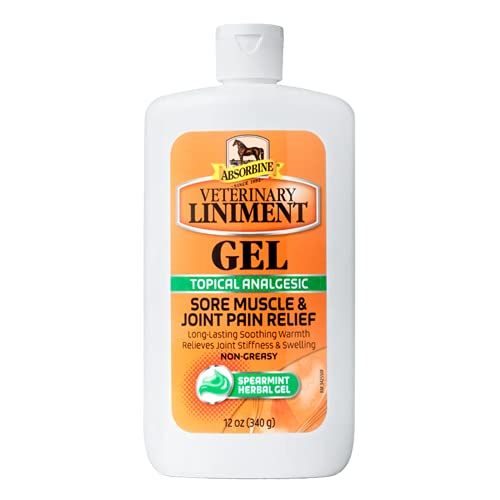
- Topical liniment. Soothes sore muscles and stiff joints after work or on cold days, applied to intact skin.
- Hoof support. Cushioned therapy boots can ease sore feet, used under vet and farrier guidance.
- Turnout blanket. Spares the horse from spending energy shivering in cold, damp weather.
- Good footing. Clear ice and mud from gateways and paths to prevent slips and strain.
Managing arthritis through the seasons
Cold, damp weather is the enemy of arthritic joints, so winter needs extra planning.
| Season | Arthritis focus |
|---|---|
| Winter | Keep moving, blanket, clear ice, warm up before work |
| Mud season | Firm footing, avoid deep mud that strains stiff legs |
| Summer | Maintain movement and condition, manage flies that cause stamping |
| Year-round | Joint support, farrier care, weight control, vet rechecks |
A warm-up before any work helps loosen stiff joints, and planning ahead for cold snaps spares your horse the worst flare-ups.
Keeping your senior comfortable
Arthritis does not have to steal an older horse's comfort. With joint support from supplements, steady movement and healthy weight, soothing comfort measures, and smart seasonal management, most arthritic seniors stay mobile and content. Build the program around your veterinarian's diagnosis and treatment, watch your horse for changes in stiffness and mood, and adjust as needed. The reward is an old horse that keeps moving freely and enjoying its days, which is exactly what good arthritis care is for.
Frequently Asked Questions
What are the signs of arthritis in an older horse?
Common signs include stiffness when first moving off that eases with warming up, reluctance to turn tightly, back, or pick up a foot, a shortened stride, swelling or heat around a joint, and a general slowing down. Arthritis often worsens in cold, damp weather. Some horses become grumpy when asked to work because they are uncomfortable. Any persistent stiffness or lameness should be evaluated by your vet, who can confirm arthritis and rule out other causes.
How is equine arthritis managed?
Management combines several approaches: keeping the horse moving with daily turnout to lubricate joints, weight control to reduce load, regular balanced farrier care, joint supplements, topical liniments for comfort, and veterinary treatments such as anti-inflammatory medication or joint injections when needed. There is no cure, but a thoughtful program keeps most arthritic seniors comfortable and mobile. Your vet tailors the plan to the joints involved and the severity, so professional guidance is central.
Do joint supplements actually help arthritic horses?
Many owners and vets find joint supplements helpful as part of a broader program, particularly those containing glucosamine, chondroitin, and ingredients like ASU or MSM. Results vary between horses and supplements are not a cure, but they are a reasonable supportive measure for an arthritic senior. Choose a quality product, give it time to work, and pair it with movement, weight control, and farrier care. Discuss options with your vet, who may also recommend prescription treatments for more advanced arthritis.
Should an arthritic horse be exercised or rested?
Movement generally helps arthritis, because gentle, regular activity keeps joints lubricated and muscles supporting them strong, while standing still lets joints stiffen. Daily turnout and light, consistent exercise usually beat box rest for a chronically arthritic horse. That said, painful flare-ups may need short-term rest and veterinary attention. The aim is steady, low-impact movement on good footing rather than hard work or total inactivity. Let your vet guide the workload for an individual horse.
Can liniments and topical treatments help?
Topical liniments and braces containing ingredients like menthol can provide temporary soothing relief for sore muscles and stiff joints, and many owners use them after work or on cold days. They are a comfort measure, not a treatment for the underlying arthritis, and should be applied to intact skin per the label, avoiding the eyes and any broken skin. Used sensibly alongside the core management plan, they help keep an arthritic senior more comfortable day to day.
How does weight affect an arthritic horse?
Excess weight adds load to already compromised joints, worsening pain and accelerating wear, so keeping an arthritic horse at a healthy body-condition score is one of the most effective things you can do. At the same time, a very thin senior lacks the muscle that supports and protects joints, so the goal is a moderate, healthy condition. Combine appropriate forage-based feeding with regular movement to maintain both healthy weight and supportive muscle.
Does cold weather make arthritis worse?
Yes, cold and damp weather commonly stiffen arthritic joints and make horses more reluctant to move. In winter, keep the horse moving with daily turnout rather than confinement, clear ice from gateways and paths to prevent slips, use a blanket to reduce the energy spent shivering, and keep up the joint supplement and comfort measures. A warm-up before any work helps too. Plan ahead for cold snaps, since that is when arthritic seniors struggle most.
Need more help with your senior horse?
Browse our guides by topic to find practical solutions.
Senior Horse Care Kit: $24