Hospice Care for Horses
What equine hospice and palliative care mean: comfort over cure, a vet-led plan, pain control, nutrition, and knowing when hospice becomes euthanasia.
When a horse faces a terminal illness or the cumulative frailty of great age, there comes a point where chasing a cure no longer serves him. Equine hospice care, also called palliative care, is the gentle alternative: a deliberate shift from trying to extend life toward protecting the quality of the life that remains. The goal is comfort, dignity, and peace, for as long as those can genuinely be maintained.
Hospice is not about giving up. It is one of the most loving forms of care you can offer, a promise that your horse's final chapter will be as soft and pain-free as you can make it. This guide explains what equine hospice involves, how to build a plan with your veterinarian, and how to recognize when hospice gives way to a humane goodbye.
Comfort Support for a Hospice Horse

Tough 1 Tough 1 HTB Therapy Boot
Cold therapy support for sore, arthritic legs in a hospice horse

LEAFOREST LEAFOREST 1200D Turnout Blanket
Keeps a thin, frail horse warm when he can no longer hold body heat
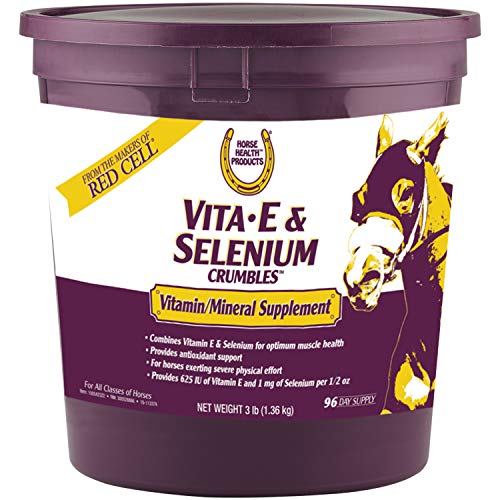
Horse Health Horse Health Vita E & Selenium Crumbles
Antioxidant and muscle support for the aging body, if your vet advises
A reminder before you read on: these items support comfort, but the foundation of hospice is daily observation and a vet-directed plan. Let products lighten the work, never replace the watching or the partnership with your veterinarian.
What Equine Hospice Really Means
Hospice care begins when a horse has a condition that cannot be cured, whether a terminal illness, advanced organ disease, severe chronic laminitis, or simply the failing of a very old body. Rather than pursuing treatments that may cause stress without changing the outcome, you and your veterinarian agree to focus everything on comfort. Pain is controlled, hunger and thirst are met, warmth and rest are provided, and companionship is preserved. The measure of success is no longer how long the horse lives, but how well he lives each remaining day.
Building a Care Plan With Your Vet
Hospice should always be vet-led. Your veterinarian assesses your horse's condition, sets a pain-management protocol, and helps you define what good quality of life looks like for this particular horse. Together you decide how often the vet visits, what you will monitor day to day, and crucially, what signs will tell you the time has come. Writing these things down keeps everyone honest and calm. Revisit the plan often, because a hospice horse's needs change.
The Goals of Comfort Over Cure
Hospice care rests on a handful of comfort-focused goals. Each one is something you can deliver with your vet's guidance.
| Goal | How It Is Met |
|---|---|
| Pain control | Scheduled NSAIDs (bute or Equioxx) and other vet-directed medication |
| Nutrition | Soft, soaked feeds in small, frequent, tempting meals |
| Warmth and rest | Blanketing, deep bedding, shelter, soft footing |
| Mobility support | Therapy boots, easy access to feed and water, level ground |
| Companionship | A calm herd mate nearby, gentle human presence |
| Quality-of-life monitoring | Daily check-ins and a structured scale to weigh good days against bad |
Pain Management
Controlling pain is the single most important part of hospice. NSAIDs such as phenylbutazone, known as bute, or firocoxib, sold as Equioxx, are the usual mainstays, given on a steady schedule to stay ahead of discomfort rather than reacting to it. Your veterinarian may layer in other medications for severe pain or specific problems like laminitis. These drugs strain the kidneys and gut, so dosing stays firmly in your vet's hands. Watch for the equine pain face, reluctance to move, and lost appetite, and report breakthrough pain at once.
Nutrition for the Aging Body
A hospice horse often has worn or missing teeth and a delicate appetite. Soft, soaked feeds are the answer: hay pellets, beet pulp, or a senior complete feed soaked into a warm mash that needs no chewing, offered in small, frequent meals. Tempt him with favorites and keep clean water within a few steps. The point is comfort and a little pleasure at the feed tub, not perfect nutrition. A vitamin E and selenium supplement may help support failing muscle, but only if your veterinarian recommends it.
Mobility and Daily Comfort
Stiffness and sore feet make movement hard for an old, ailing horse. Cold therapy boots can ease aching legs, soft deep bedding cushions a horse that lies down often, and keeping feed, water, and shelter close together spares him long, painful walks. Gentle grooming feels good and keeps you connected. Blanketing guards against the chill a thin horse cannot fight off. Small comforts, repeated daily, add up to real relief.
Senior Horse Care Planner
Track your senior horse's vital signs, feed and body condition, farrier and dental schedule, medications, and quality of life, all in one printable planner.
Monitoring Quality of Life
The defining duty of hospice is honest, ongoing assessment. Each day, weigh the good moments against the bad: is he eating, resting comfortably, interested in his companions and surroundings, and free of obvious pain? A structured quality of life scale turns a vague feeling into something you can track over time and discuss with your vet. As long as the good days outnumber the bad and pain stays controlled, hospice is doing its work.
When Hospice Becomes Euthanasia
Good hospice care includes knowing when it must end. The transition to humane euthanasia comes when pain can no longer be controlled, when the horse refuses food and water, cannot rise, breathes with difficulty, or when the suffering plainly outweighs the comfort. When the bad days outnumber the good, it is time, and choosing that moment is the final gift of hospice, not its failure. Your veterinarian will confirm what you are seeing and help you let go gently, before suffering takes hold.
Hospice care, done with love and a good vet at your side, lets a horse spend his last weeks or days warm, fed, comforted, and surrounded by what he knows. Whatever time it gives, it ensures that time is kind.
Related Senior Horse End of Life Guides
- Keeping a Senior Horse Comfortable in Final Days - Hands-on comfort measures for a declining horse.
- A Quality of Life Scale for Senior Horses - The tool at the heart of hospice monitoring.
- When to Euthanize a Horse - Recognizing the turning point.
- Signs a Horse Is Dying - Reading decline and active dying.
Pet Insurance · Sponsored
Have a Dog or Cat at Home Too? Protect Them From Surprise Vet Bills
Most horse owners share their home with a dog or cat as well, and one emergency visit can run into the hundreds or thousands. Pet insurance can help cover surprise vet bills so a sudden cost does not force a hard choice. Get a free quote and see what coverage fits your household.
Frequently Asked Questions
What is hospice care for horses?
Equine hospice, also called palliative care, is care focused on comfort rather than cure for a horse near the end of life. Instead of pursuing aggressive treatment for a terminal or untreatable condition, you and your veterinarian work to keep the horse comfortable, free of pain, well fed, and content for whatever time remains. It is not about giving up. It is about shifting the goal from extending life at any cost to protecting the quality of the life that is left.
How is equine hospice different from euthanasia?
Hospice is the comfort-focused care that may come before euthanasia, not a replacement for it. During hospice you manage pain, nutrition, and quality of life while the horse still has good days. Euthanasia is the humane ending chosen when comfort can no longer be maintained. Good hospice care includes watching closely for that turning point. The two work together: hospice gives a horse gentle, dignified final weeks or days, and euthanasia ensures the end itself is peaceful and free of suffering.
Can I provide hospice care for my horse at home?
Often yes, with your veterinarian guiding the plan. Many owners care for a hospice horse in his familiar surroundings, managing medication, soft feed, bedding, and daily comfort while the vet visits and adjusts the plan. Home hospice suits horses whose pain can be controlled and who still enjoy food and company. It asks for honest daily monitoring and a clear line that, once crossed, means it is time for euthanasia. Your vet helps you set and recognize that line.
How do I manage pain during equine hospice?
Pain control is the heart of hospice, and it belongs to your veterinarian. NSAIDs such as phenylbutazone (bute) or firocoxib (Equioxx) are the usual mainstays, given on a regular schedule to stay ahead of discomfort. Your vet may add other medications for arthritis, laminitis, or severe pain, and will monitor for side effects on the kidneys and gut. Never adjust doses yourself. Report any breakthrough pain promptly so the plan can change before your horse suffers.
What should I feed a horse in hospice care?
Feed for comfort and ease. Worn teeth and a fading appetite call for soft, soaked feeds: soaked hay pellets, beet pulp, or a senior complete feed made into a warm mash, offered in small, frequent meals. Tempt a poor appetite with favorites and keep water close. A vitamin E and selenium supplement may support muscle in an aging body if your vet advises it. The aim is enjoyment and gentle nourishment, not a textbook ration.
How do I know when hospice should become euthanasia?
Use a structured quality of life scale and watch the balance of good days against bad. Hospice has reached its limit when pain can no longer be controlled, the horse refuses food and water, cannot rise, breathes with difficulty, or the suffering clearly outweighs the comfort. When more days are bad than good, it is time. Your veterinarian can confirm what you are seeing and help you choose the moment, so the end comes before real suffering takes hold.
Is hospice care right for every horse?
Not always. Hospice suits horses whose pain and symptoms can genuinely be managed and who still find pleasure in food, rest, and company. For a horse in uncontrollable pain, unable to stand, or suffering from a rapidly worsening condition, prolonging things through hospice would be unkind, and immediate euthanasia is the more loving choice. Your veterinarian can help you judge honestly whether comfort can realistically be maintained, which is the true test of whether hospice fits your horse.
Need more help with your senior horse?
Browse our guides by topic to find practical solutions.
Wellness Planner: $39