Signs of Dental Problems in Senior Horses
Learn to spot the warning signs of dental disease in older horses, from quidding and dropped feed to weight loss and bad breath, and when to call your vet.
Horses are remarkably stoic about pain, and a mouth that hurts is no exception. An older horse with a sharp tooth, a loose molar, or infected gums will often keep trying to eat, masking its discomfort until the problem is advanced. That is why learning to recognize the subtle signs of dental trouble is one of the most valuable skills a senior horse owner can develop. The earlier you spot a problem and call your veterinarian, the more comfortable your horse stays and the easier it is to protect its weight and condition.
Support While You Investigate
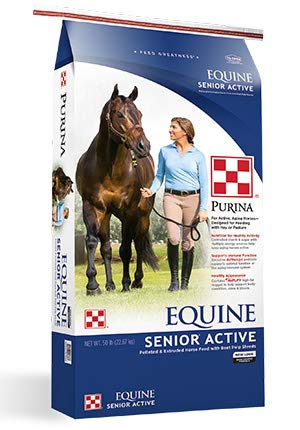
Purina Active Senior Horse Feed
Easy-to-chew complete feed to maintain condition while dental issues are diagnosed.
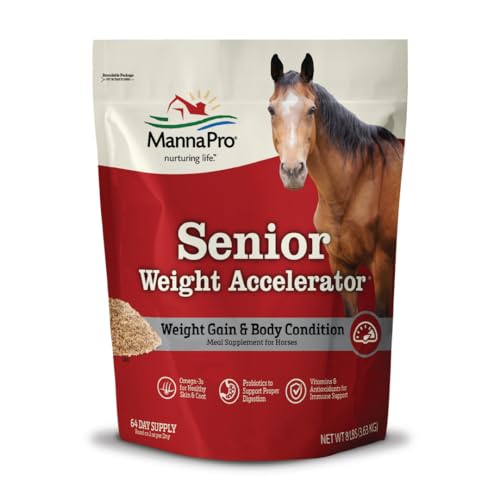
Manna Pro Weight Accelerator for Senior Horses
Supplement to help an older horse regain condition lost to poor chewing.
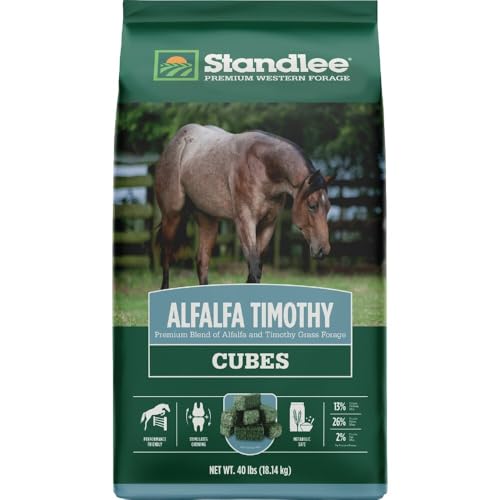
Standlee Alfalfa Timothy Hay Cubes
Soak into a soft mash so a sore-mouthed horse keeps eating fiber.
The warning signs to watch for
Dental problems rarely announce themselves dramatically. Instead they show up as small changes in how a horse eats and looks. The following are the signs that most often point to dental disease in an older horse.
Quidding
Quidding is the dropping of balls of partly chewed hay, and it is one of the clearest signs that a horse cannot grind forage properly. You will find these wads of half-chewed hay around the feeder or on the ground. Quidding usually means worn, missing, or painful teeth, and it is a strong reason to book a dental exam and consider switching to softer hay replacers.
Slow, messy, or lopsided eating
A horse that suddenly takes far longer over its feed, drops grain, tilts its head to one side, or chews in a careful, guarded way is telling you something hurts. Sharp enamel points that lacerate the cheek or tongue, a sore or loose tooth, or feed packed painfully between teeth can all cause this. Any change in the normal rhythm of eating deserves attention.
Weight loss
Losing condition despite a healthy appetite is a major red flag. When teeth cannot grind feed effectively, the horse simply cannot extract enough nutrition from it, no matter how much it eats. Weight loss should always prompt both a dental exam and a broader veterinary check, since several senior conditions can be involved at once.
Whole fiber or grain in manure
Long, undigested hay stems or whole, unbroken grains in the droppings are direct evidence that food is passing through without being properly chewed. This points firmly toward a dental cause and is something you can monitor yourself between vet visits.
Bad breath and discharge
A persistent foul smell from the mouth usually means infection: rotting feed in a gap between teeth, gum disease, a decaying tooth, or the incisor condition EOTRH. A one-sided nasal discharge or facial swelling can also point to a diseased tooth root. These signs of infection should never be ignored.
| Sign | What it often means | Urgency |
|---|---|---|
| Quidding hay | Cannot grind forage | Exam within days |
| Weight loss with appetite | Poor chewing efficiency | Exam soon, check whole horse |
| Foul breath, discharge | Infection or diseased tooth | Veterinary exam promptly |
| Dropping grain | Sharp points or sore tooth | Dental exam |
| Whole grain in manure | Food not being chewed | Dental exam |
What you can check at home
While you cannot safely examine the back teeth yourself, you can gather useful clues. Smell your horse's breath, look for any swelling or asymmetry of the face, watch closely how it chews and whether it favors one side, and inspect the manure for long fiber and whole grain. Keeping simple notes of eating speed, dropped feed, and body condition helps you and your vet track changes over time. Use these home observations to decide when to call for a professional exam, not as a replacement for one.
Keeping condition while you investigate
If you suspect a dental problem and are waiting for an exam, you can protect your horse's weight by softening its feed. Soaking hay cubes or pellets and a complete senior feed into a mash removes much of the chewing demand and keeps fiber and calories going in. A weight-support supplement can help an older horse rebuild condition once the dental issue is corrected. These measures bridge the gap but do not fix the underlying problem, which still needs proper diagnosis.
Senior Horse Care Planner
Track your senior horse's vital signs, feed and body condition, farrier and dental schedule, medications, and quality of life, all in one printable planner.
When to call the vet
Dental disease is rarely an emergency in the way colic or laminitis is, but it should not be left for months either. A horse that is quidding, dropping feed, losing weight, chewing oddly, or showing bad breath should be examined within days. Your equine veterinarian can sedate the horse, use a full-mouth speculum to see and feel every tooth, take radiographs if needed, and treat or extract the problem tooth. Acting on the early signs keeps a small dental issue from becoming a painful, weight-robbing one, and it is the surest way to keep your senior horse comfortable and well fed.
Pet Insurance · Sponsored
Have a Dog or Cat at Home Too? Protect Them From Surprise Vet Bills
Most horse owners share their home with a dog or cat as well, and one emergency visit can run into the hundreds or thousands. Pet insurance can help cover surprise vet bills so a sudden cost does not force a hard choice. Get a free quote and see what coverage fits your household.
Frequently Asked Questions
What is the most common first sign of dental trouble?
For many senior horses the first thing owners notice is quidding, the dropping of partly chewed balls of hay around the feeder. Slow eating, dropping grain, and a head tilt while chewing are also early clues. Because horses hide pain well, these eating changes often appear before any obvious distress. Noticing them early lets your vet address the problem before the horse loses weight.
Can dental problems cause weight loss in horses?
Yes, and it is one of the most common reasons an older horse loses condition. When worn, missing, or painful teeth prevent proper grinding, the horse cannot extract enough nutrition from its feed even with a good appetite. Whole fiber and grain pass through into the manure. Weight loss with a normal or eager appetite should always prompt a dental exam alongside a general veterinary check.
Why does my horse drop grain while eating?
Dropping feed from the mouth, sometimes called quidding when it involves hay, suggests the horse is having trouble chewing comfortably. Sharp enamel points cutting the cheek or tongue, a loose or painful tooth, gum disease, or a foreign object packed between teeth can all be responsible. A dental exam identifies the cause. Until then, softening feed into a mash can keep the horse eating.
What does bad breath in a horse mean?
A persistent foul odor from the mouth often signals infection: feed rotting in a gap between teeth, periodontal gum disease, a decaying tooth, or the painful incisor condition EOTRH. Bad breath should never be ignored in an older horse, as it usually means active disease that causes pain and can lead to weight loss. Have your vet examine the mouth to find and treat the source.
How can I check my horse's mouth at home?
You can do a gentle external check: smell the breath, look for facial swelling or asymmetry, watch how the horse chews, and feel along the cheeks for sensitivity. You can also examine the manure for long fiber or whole grain. You cannot, however, safely or thoroughly examine the back teeth yourself. Use home observation to decide when to call the vet, not as a substitute for a professional exam.
Is a head tilt while eating a dental sign?
It can be. Tilting the head to one side while chewing often means the horse is favoring one side of the mouth because the other side is painful, perhaps from a sharp point, a sore tooth, or gum disease. Chewing in a slow, careful, or lopsided way is worth investigating with a dental exam, especially when it appears alongside quidding or dropped feed.
How quickly should I act on dental warning signs?
Promptly. Dental problems tend to worsen and can lead to significant weight loss, infection, and pain if left unaddressed. While not usually an emergency in the way colic or laminitis is, a horse that is quidding, dropping feed, losing weight, or showing mouth pain should be seen for a dental exam within days rather than left for months until the next routine visit.
Need more help with your senior horse?
Browse our guides by topic to find practical solutions.
Wellness Planner: $39