Quidding in Senior Horses: Causes and Feeding
Why older horses drop balls of half-chewed hay, what quidding reveals about their teeth, how to feed a quidding horse, and when to call the vet or dentist.
If you have found wet, balled-up wads of half-chewed hay scattered around your older horse's feeder, you have witnessed quidding. It is one of the most common and telling signs of dental trouble in senior horses, and it means your horse is struggling to chew forage well enough to swallow it. Quidding is not a disease in itself but a symptom, a window into what is happening in the mouth. Understanding it helps you respond quickly with both a dental exam and the diet changes that keep a quidding horse well fed.
Feeding the Quidding Horse
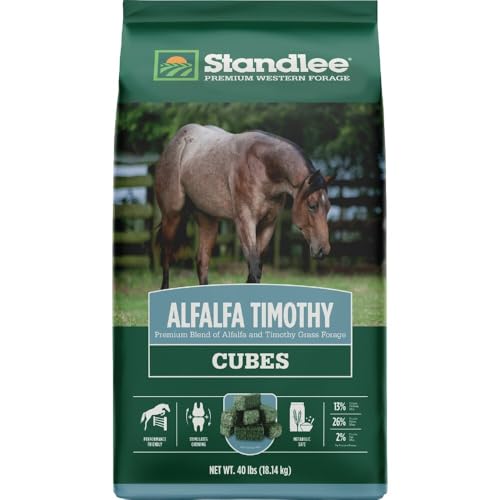
Standlee Alfalfa Timothy Hay Cubes
Soak into a soft mash so a quidding horse gets chewable forage fiber.
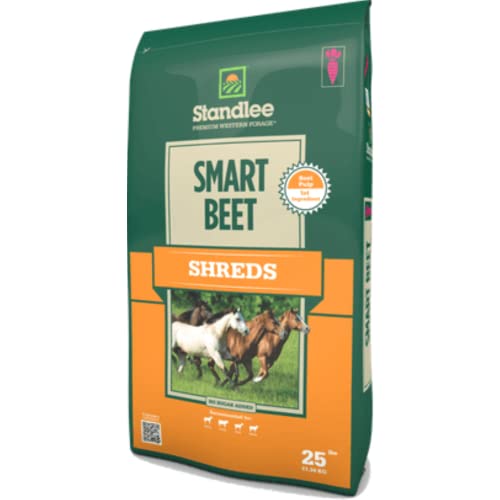
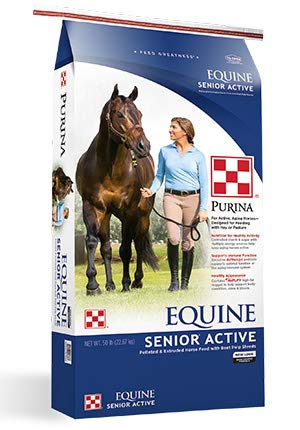
Purina Active Senior Horse Feed
Complete pelleted feed that replaces hay for a horse with a worn mouth.
What quidding is and why it happens
When a healthy horse eats hay, it grinds each mouthful into a moist, uniform mass called a bolus, which it can swallow easily. Quidding happens when the horse cannot complete that grinding. It chews a mouthful, finds it cannot reduce the fibrous hay to a swallowable consistency, and drops the partly processed wad rather than swallowing a coarse mass that might choke it. In a sense, quidding is the horse protecting itself, but it also means valuable forage is being wasted and nutrition is not getting in.
In senior horses, quidding almost always traces back to the teeth. Decades of grinding forage gradually wear the teeth down, and by old age many horses have smooth, ineffective grinding surfaces, loose teeth, gaps where teeth have been lost, or painful conditions that make chewing hurt. Any of these can leave a horse unable to process long hay, and quidding is the visible result.
The common causes behind quidding
- Worn-out teeth. The reserve crown that erupts through life eventually runs low, leaving smooth teeth that no longer grind effectively.
- Missing teeth. Lost molars create gaps, and the opposing tooth can grow long into the space, disrupting the grinding surface.
- Sharp enamel points. Points on the cheek edges lacerate the cheek or tongue, making chewing painful enough to provoke quidding.
- Diastema and trapped feed. Gaps between teeth pack with feed that rots, causing painful gum infection.
- Periodontal disease and EOTRH. Gum disease and the painful incisor condition EOTRH both make eating uncomfortable.
Why quidding leads to weight loss
A horse that quids long hay is not extracting full nutrition from it, which is exactly why quidding so often appears alongside dropping weight. The horse may have a healthy appetite and spend plenty of time at the feeder, yet much of the forage ends up on the ground as half-chewed wads rather than being digested. Left unaddressed, this gradual shortfall steadily erodes the horse's condition. Recognizing quidding early lets you change the diet before significant weight loss sets in.
How to feed a quidding horse
The key principle is to supply the fiber a horse must have in a form that does not require strong grinding. Long-stem hay is the problem, so replace or supplement it with soaked forage alternatives:
| Feed | Role | How to serve |
|---|---|---|
| Hay cubes | Chewable forage fiber | Soak into a soft mash |
| Hay pellets | Forage replacement | Soak before feeding |
| Beet pulp | Digestible fiber and water | Soak well, never feed dry |
| Complete senior feed | Whole ration in one bag | Dampen or soak to a mash |
Soaking everything into a mash makes it easy to eat, adds water to support hydration, and reduces the risk of choke, which older horses are prone to. Introduce any new feed gradually over a week or two to let the gut adjust, and split the ration into several meals a day so a slow-eating senior has time to finish. An equine nutritionist or your vet can help you build a balanced ration around these feeds.
Senior Horse Care Planner
Track your senior horse's vital signs, feed and body condition, farrier and dental schedule, medications, and quality of life, all in one printable planner.
When to involve the vet or dentist
Quidding always justifies a dental exam. Your equine veterinarian or qualified equine dentist can sedate the horse, examine and feel every tooth with a full-mouth speculum, and identify what is causing the chewing problem. Sometimes the fix is simple, such as floating a sharp point, and chewing comfort returns. Other times the teeth are simply worn out or gone, and diet management becomes the long-term answer. A sudden onset of quidding is worth a prompt visit, as it can signal a newly loose or fractured tooth or an infection. Whatever the cause, the combination of professional dental care and a soaked, easy-to-eat diet allows even a horse with a very poor mouth to stay comfortable and hold its condition.
Pet Insurance · Sponsored
Have a Dog or Cat at Home Too? Protect Them From Surprise Vet Bills
Most horse owners share their home with a dog or cat as well, and one emergency visit can run into the hundreds or thousands. Pet insurance can help cover surprise vet bills so a sudden cost does not force a hard choice. Get a free quote and see what coverage fits your household.
Frequently Asked Questions
What exactly is quidding in horses?
Quidding is when a horse takes a mouthful of hay, chews it partly, then drops it as a wet, balled-up wad instead of swallowing it. You find these half-chewed clumps around the feeder or on the ground. It happens because the horse cannot grind the forage well enough to form a swallowable bolus, usually due to worn, missing, or painful teeth in an older horse.
Is quidding a sign of serious dental disease?
Quidding is always a sign that something is wrong with the horse's ability to chew, and in seniors it often reflects significant dental wear or disease. The underlying cause can range from sharp enamel points and a loose tooth to gum disease, gaps that trap feed, or simply teeth worn out with age. It warrants a dental exam to find the cause and a diet change to keep the horse fed.
Can a quidding horse still get enough nutrition?
A horse that is quidding long hay is not extracting full nutrition from it, which is why quidding so often comes with weight loss. The solution is to provide fiber in a form that does not need strong grinding, such as soaked hay cubes, hay pellets, beet pulp, or a complete senior feed. Switched to these, a quidding horse can maintain good condition despite a poor mouth.
What should I feed a horse that quids hay?
Replace or supplement long hay with soaked forage alternatives. Hay cubes and pellets soaked into a soft mash provide chewable fiber, beet pulp adds digestible fiber and water, and complete senior feeds are formulated to be the entire ration. Soaking everything into a mash makes it easy to eat and reduces choke risk. Make changes gradually and ideally with guidance from your vet or an equine nutritionist.
Will floating the teeth stop quidding?
Sometimes. If quidding is caused by sharp points or a correctable imbalance, floating can restore comfortable chewing. But if the horse has simply worn out or lost teeth, floating cannot replace what is gone, and diet management becomes the main answer. Your vet or equine dentist will examine the mouth and tell you whether dental work alone will help or whether feeding changes are needed too.
Why has my horse suddenly started quidding?
A sudden onset of quidding suggests a new problem in the mouth: a tooth that has loosened or fractured, a sharp point that has developed, feed packed painfully into a gap, or an infection. Because it appeared suddenly, it is worth a prompt dental exam rather than waiting. In the meantime, offering soaked, soft feeds keeps the horse eating while you arrange the appointment.
Can young horses quid too?
Quidding is far more common in old horses with worn teeth, but it can occur at any age when chewing is painful. Young horses occasionally quid while shedding caps, the baby teeth, or because of sharp points. Whatever the age, quidding signals a chewing problem and should be checked by a vet or equine dentist. In a senior, age-related wear is the usual explanation.
Need more help with your senior horse?
Browse our guides by topic to find practical solutions.
Wellness Planner: $39