Floating Teeth in Senior Horses Explained
What floating a horse's teeth means, how often older horses need it, why it is done more gently in seniors, and how floating fits into senior dental care.
Floating is the cornerstone of routine equine dental care, and it is a term every horse owner eventually meets. For senior horses, floating is still important, but the approach changes with age. Understanding what floating actually does, why an older mouth needs a gentler hand, and how floating fits alongside diet management helps you make good decisions for your aging horse. This guide explains the procedure in plain terms and shows where it fits in keeping a senior comfortable and well fed.
Diet Support Alongside Dental Care
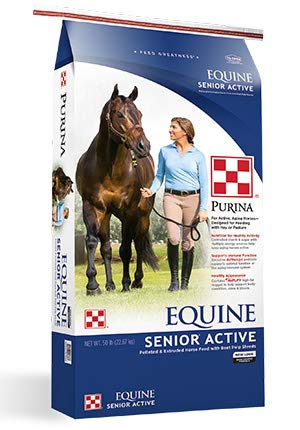
Purina Active Senior Horse Feed
Easy-to-chew complete feed for seniors whose teeth need more than floating.

Standlee Certified Alfalfa Hay Cubes
Soakable forage to keep fiber up when worn teeth limit hay chewing.

Manna Pro Weight Accelerator for Senior Horses
Helps an older horse rebuild condition once dental comfort is restored.
What floating actually is
Horses chew with a sideways grinding motion, and because the upper jaw is naturally wider than the lower jaw, the teeth do not wear perfectly evenly. Over time, sharp enamel points develop along the outer edges of the upper cheek teeth and the inner edges of the lower cheek teeth. These points can cut into the cheek and tongue, causing ulcers and making chewing painful. Floating is the process of filing those points smooth with a rasp-like tool called a float, restoring a comfortable, functional grinding surface. The part of the tooth being filed has no nerves, so the procedure itself does not hurt.
How floating is done
A proper float begins with a full oral exam. The horse is usually sedated so it stands quietly and the practitioner can safely place a full-mouth speculum to hold the mouth open and examine every tooth with a good light. The vet or equine dentist then floats the sharp points using hand floats, motorized power floats, or a combination. Sedation is as much about a thorough exam as about the floating itself, because the back teeth cannot be properly assessed in an awake, resistant horse. A good practitioner checks for loose teeth, gaps, gum disease, and other problems while they work, not just the points.
Why seniors are floated differently
The crucial difference with an older horse is that there is less tooth to work with. Because horse teeth erupt continuously and slowly wear away over a lifetime, by old age the reserve crown is running low. Aggressive floating could remove tooth the horse still needs for grinding. Skilled practitioners therefore float seniors conservatively, smoothing the worst points and balancing the bite without over-reducing the precious remaining grinding surface. The aim in an old horse is comfort and function, not a textbook-perfect even mouth achieved at the cost of tooth the horse cannot afford to lose.
| Aspect | Young or adult horse | Senior horse |
|---|---|---|
| Tooth available | Ample reserve crown | Limited, running low |
| Floating approach | Standard correction | Conservative, preserve tooth |
| Main goal | Balance and prevention | Comfort and function |
| Diet role | Usually still chews hay | Often needs hay replacers too |
When floating is not enough
Floating can do a great deal for a horse with sharp points or a correctable imbalance, often restoring comfortable chewing and resolving quidding. But floating cannot replace tooth that is worn out or gone. A very old horse with smooth, missing, or diseased teeth may need little floating and a great deal more diet management. This is why a full exam matters so much: it tells you whether floating alone will help, whether a tooth needs extraction, or whether the long-term answer is a soaked, easy-to-chew diet built around hay replacers and a complete senior feed. Floating and feeding work together in senior dental care.
How often to float a senior
Rather than floating on a rigid schedule, the best approach is an annual oral exam that lets your vet decide what each horse needs. Some seniors form points that warrant attention every six to twelve months, while others with worn or missing teeth need little rasping. Floating a mouth that does not need it wastes precious tooth, and skipping the exam misses developing problems. Let the exam, not the calendar, guide the work.
Choosing who floats your horse
Both equine veterinarians and qualified equine dental technicians perform floating, but veterinary involvement is especially valuable for a senior. A vet can sedate the horse for a complete exam, take radiographs to assess a tooth root, diagnose disease, and extract a tooth when needed. Be wary of anyone offering to float without a proper sedated exam, because smoothing points while overlooking loose teeth, gaps, and infection misses the problems that most affect an older horse. With careful, conservative floating from a skilled professional and a diet adjusted to the mouth your horse actually has, you can keep your senior chewing comfortably and holding its condition for years.
Frequently Asked Questions
What does floating a horse's teeth mean?
Floating is the filing or rasping down of the sharp enamel points that naturally form on the edges of a horse's cheek teeth. Because horses chew with a sideways grinding motion and the upper jaw is wider than the lower, points develop on the outer edge of the upper teeth and inner edge of the lower teeth. These points can cut the cheek and tongue, so a vet or dentist smooths them with a tool called a float.
How often does a senior horse need floating?
Many older horses are floated about once a year, but the right frequency depends on the individual mouth. Some seniors with active points need attention every six to twelve months, while very old horses with worn or missing teeth may need little floating and more diet management. An annual oral exam lets your vet decide what each horse needs rather than floating on a fixed schedule regardless of the mouth.
Is floating painful for the horse?
Floating itself is not painful when done properly, as the part of the tooth being filed has no nerves, much like trimming a fingernail. Horses are usually sedated for a thorough float so they stay still and relaxed and the practitioner can work safely. Sedation also allows a complete exam of the back teeth. A horse with sharp points is often in far more discomfort before the float than after it.
Why is floating done more gently in old horses?
Because horse teeth erupt continuously and the supply of tooth runs low in old age, a senior simply has less tooth to spare. Aggressive floating could remove tooth that the horse needs for grinding. Skilled practitioners float seniors conservatively, smoothing the worst points and balancing the bite without over-reducing the grinding surfaces. The goal in an old horse is comfort and function, not a perfectly even mouth at the cost of precious tooth.
Can floating fix a horse that has lost weight?
If weight loss is caused by sharp points or a correctable imbalance that prevents proper chewing, floating can genuinely help. But if the horse has worn out or lost teeth, floating cannot restore grinding ability, and the answer becomes a soaked, easy-to-chew diet. That is why a full exam matters: it tells you whether floating alone will help or whether feeding changes are also needed to rebuild condition.
Should I use a vet or an equine dentist for floating?
Both can float teeth, but a veterinarian can also sedate the horse, take radiographs, diagnose disease, and extract teeth, which matters for a senior with complex problems. Many owners use a vet or a qualified equine dental technician working with veterinary involvement. Avoid anyone offering to float without a proper exam, since smoothing points without checking for loose teeth, gaps, and infection misses the real problems.
Are power floats safe for older horses?
Motorized power floats are widely used and safe in skilled hands, and they can do precise work efficiently. The risk with any float, hand or power, is over-reduction of a senior's limited tooth or overheating the tooth if used carelessly. What matters most is the practitioner's training and judgment rather than the type of tool. A careful, experienced professional using either method will float an old horse appropriately.
Need more help with your senior horse?
Browse our guides by topic to find practical solutions.
Senior Horse Care Kit: $24