Best Feeds for Horses With Bad Teeth
Compare the best soakable feeds for senior horses that can no longer chew hay: complete feeds, hay cubes, pellets, and beet pulp, plus how to feed and soak them.
When age, wear, or disease leave a horse unable to chew long hay, the answer is not to feed less fiber but to feed it in a form the horse can manage. Soakable hay replacers and complete senior feeds let a horse with very poor teeth, even one with almost no grinding surfaces left, keep its fiber intake up and hold good condition. Below we compare reliable, widely available options and explain how to choose, soak, and serve them so your senior stays comfortable and well fed.
Best Feeds for Horses With Bad Teeth
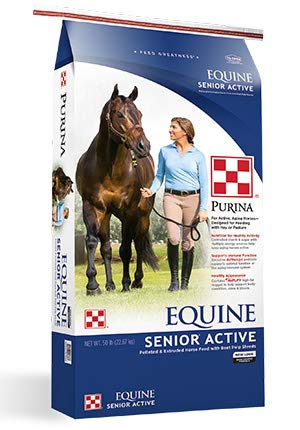
Purina Active Senior Horse Feed
Pelleted complete senior feed that can replace hay and soaks into a soft mash.

Triple Crown Triple Crown Senior Feed
High-fat, high-fiber senior feed formulated to be fed as a complete ration.
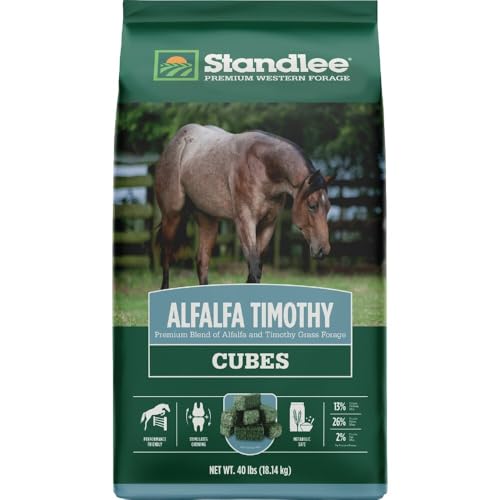
Standlee Alfalfa Timothy Hay Cubes
Soakable forage that delivers chewable fiber for horses that quid hay.
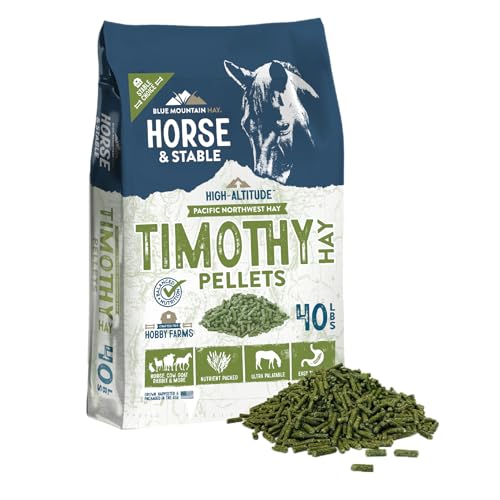
Blue Mountain Hay Timothy Hay Pellets
Soakable grass forage pellets, a lower-sugar hay replacement for seniors.
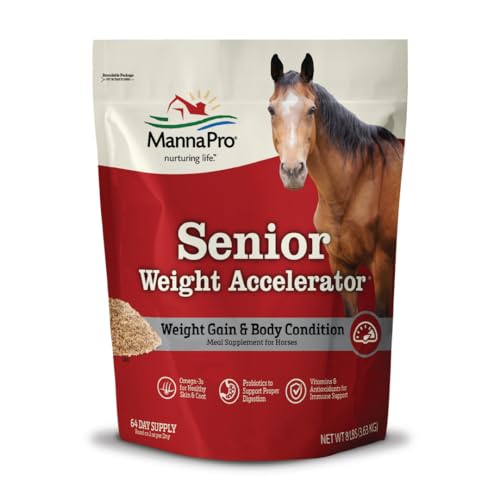
Manna Pro Weight Accelerator for Senior Horses
Calorie and muscle support to help a thin senior rebuild lost condition.
How we chose these feeds
We did not run a feeding trial. Instead we compared products on what matters for a horse that cannot chew hay: the ability to be soaked into an easy-to-eat mash, adequate digestible fiber to replace forage, appropriate calorie and protein levels for seniors, sugar and starch content for metabolic horses, and broad availability so owners can reliably restock. We drew on equine nutrition guidance and verified owner feedback, and we favored established feeds that vets and nutritionists routinely recommend for old horses. Always introduce any new feed gradually and ideally with veterinary or nutritionist input.
Comparison at a glance
| Feed | Type | Best for | Approx. price |
|---|---|---|---|
| Purina Active Senior | Complete feed | Whole ration for poor mouths | $60 |
| Triple Crown Senior | Complete feed | High-fat, high-fiber condition | $54 |
| Standlee Hay Cubes | Hay replacer | Chewable soaked forage | $41 |
| Standlee Beet Pulp | Fiber add | Calories and water, low sugar | $33 |
| Timothy Hay Pellets | Hay replacer | Lower-sugar grass forage | $45 |
The feeds in detail
Purina Active Senior Feed (Top Pick)
A pelleted complete feed formulated to serve as the entire ration, this is a dependable choice for a horse whose teeth can no longer handle hay. It supplies fiber, calories, protein, vitamins, and minerals in one bag, and the pellets soak readily into a soft mash. For owners who want a single, well-balanced foundation for a toothless or near-toothless senior, a complete feed like this is the simplest place to start.
Triple Crown Senior Feed
This high-fat, high-fiber senior feed is designed to be fed as a complete ration and is popular for putting and keeping condition on hard-keeping older horses. The added fat provides calorie-dense energy without large amounts of sugar and starch, which suits seniors that struggle to maintain weight. Like other complete feeds, it can be dampened or soaked into an easy-to-eat mash.
Standlee Alfalfa Timothy Hay Cubes (Best Hay Replacer)
Hay cubes are compressed forage that, once soaked, break down into a soft, chewable mash delivering the long-fiber nutrition a horse would normally get from hay. The alfalfa and timothy blend offers good protein and palatability. For a horse that quids long hay, soaked cubes are one of the most natural ways to keep forage in the diet. Always soak them fully so they are soft and safe to swallow.
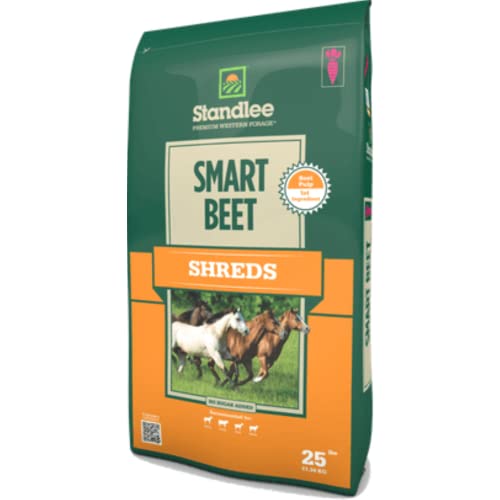
Standlee Beet Pulp Shreds
Beet pulp is a highly digestible fiber that is low in sugar and starch in its plain form, making it a versatile add to a senior's ration for extra calories and fiber. Soaked beet pulp also carries a lot of water, which supports hydration in horses prone to choke and impaction. Never feed it dry, and choose a plain version for metabolic horses. It pairs well with a complete feed or hay replacer.
Timothy Hay Pellets
Grass hay pellets are a lower-sugar forage replacement than richer alfalfa products, which makes them useful for metabolic seniors that still need a hay alternative. Soaked into a mash, they provide chewable grass fiber. Many owners use them as part of a blend with cubes and beet pulp to build a varied forage base for a horse that cannot chew long hay.
Manna Pro Weight Accelerator
For a thin older horse that has lost condition to dental trouble, a calorie and muscle support supplement can help rebuild weight once the mouth is comfortable and the diet is corrected. It is a top-up, not a forage replacer, so feed it alongside the soaked fiber base rather than in place of it. Restoring lost condition takes weeks, so be patient and consistent.
How to feed and soak
- Soak thoroughly. Soak cubes, pellets, and beet pulp until soft, following the maker's time, so the mash is safe and easy to eat and choke risk is minimized.
- Feed several meals. Split the ration into three or more meals to mimic trickle feeding and keep fiber moving through the gut.
- Make fresh in heat. In hot weather, prepare smaller, fresher mashes so feed does not spoil between meals.
- Mind the sugar. Choose plain, low-sugar options for metabolic horses, and avoid molasses-coated feeds.
- Change gradually. Introduce any new feed over a week or two to let the gut adjust and reduce colic risk.
Senior Horse Care Planner
Track your senior horse's vital signs, feed and body condition, farrier and dental schedule, medications, and quality of life, all in one printable planner.
Build the diet around your horse's mouth
There is no single best feed for every horse with bad teeth, because the right ration depends on how much chewing ability remains, the horse's body condition, and whether it has a metabolic condition. A horse with some grinding ability may need only partial hay replacement, while a near-toothless horse needs a fully soaked diet built on a complete feed and forage replacers. Work with your equine veterinarian or an equine nutritionist to balance the ration, and keep watching body condition and manure to see how your horse responds. With the right soaked diet, even a horse that can no longer chew a single strand of hay can stay comfortable, well nourished, and in good flesh.
Pet Insurance · Sponsored
Have a Dog or Cat at Home Too? Protect Them From Surprise Vet Bills
Most horse owners share their home with a dog or cat as well, and one emergency visit can run into the hundreds or thousands. Pet insurance can help cover surprise vet bills so a sudden cost does not force a hard choice. Get a free quote and see what coverage fits your household.
Frequently Asked Questions
What can a horse eat with no or few teeth?
A horse with very poor teeth can thrive on soaked forage replacers that need no grinding: hay cubes, hay pellets, beet pulp, and a complete senior feed designed to be the whole ration. Soaked into a soft mash, these supply the fiber a horse must have without demanding strong chewing. Many horses with almost no functional teeth maintain good condition on this kind of diet.
What is a complete feed for senior horses?
A complete feed is formulated to provide the entire ration, including enough fiber, so it can replace hay for a horse that can no longer chew forage. It differs from a regular concentrate, which is meant to top up a hay-based diet. Complete senior feeds are usually fed in larger amounts split across several meals and are often soaked into a mash for horses with bad teeth.
Should I soak my horse's feed?
For a horse with poor teeth, yes. Soaking hay cubes, pellets, beet pulp, and complete feeds into a soft mash makes them easy to eat, adds water to support hydration, and greatly reduces the risk of choke, which older horses are prone to. Soak for the time the manufacturer recommends, and in hot weather make fresh mashes often so they do not spoil between meals.
Is beet pulp safe for horses?
Beet pulp is a safe, highly digestible fiber source widely used for senior horses, and it is low in sugar and starch in its plain form. Always soak it thoroughly before feeding, never offer it dry, and choose a plain or low-sugar version for metabolic horses. Soaked beet pulp is excellent for adding calories and fiber to the diet of a horse that cannot chew hay.
How do I feed a metabolic horse with bad teeth?
Choose low-sugar, low-starch options. Plain soaked beet pulp, soaked grass hay pellets, and a complete feed formulated for metabolic or senior horses keep the sugar load down while replacing forage. Avoid molasses-coated feeds and sweet treats. Because metabolic horses with poor teeth need both careful sugar control and chewable fiber, work with your vet or an equine nutritionist to balance the ration.
How many meals a day should a toothless horse get?
Spreading the ration across several meals, often three or more, suits a horse that eats slowly and cannot graze effectively. Frequent meals keep fiber moving through the gut, mimic natural trickle feeding, and prevent long empty periods that raise colic and ulcer risk. Some owners also offer a soaked mash available for much of the day. Your vet can help set a feeding plan for your individual horse.
Need more help with your senior horse?
Browse our guides by topic to find practical solutions.
Wellness Planner: $39