Managing Chronic Pain in Senior Horses
A vet-first guide to recognizing and managing chronic pain in older horses, from arthritis and laminitis to medication, supplements, movement, and comfort care.
Chronic pain is one of the quiet realities of caring for an aging horse. Years of work, the slow wear of arthritis, old injuries, and conditions like laminitis or dental disease can leave a senior horse uncomfortable in ways that are easy to miss. Horses are masters at hiding pain, an instinct that once protected them from predators, so the signs are often subtle: a little stiffness on cold mornings, a reluctance to move off, a slightly pinched expression, or simply not being quite themselves.
The good news is that chronic pain in horses can usually be managed well with a thoughtful, layered plan built alongside your veterinarian. This guide walks through how to recognize the signs, find the source, and combine medication, supplements, movement, weight control, and everyday comfort care so your older horse can stay sound in mind and body for as long as possible.
Comfort Support for a Painful Senior

Nutramax Cosequin ASU Joint Health Supplement
A widely used glucosamine and chondroitin powder to support joint comfort in arthritic seniors

RICHDEL RICHDEL Legacy Joint Support Pellets
Senior-formulated joint pellets for daily support of older, stiffer horses
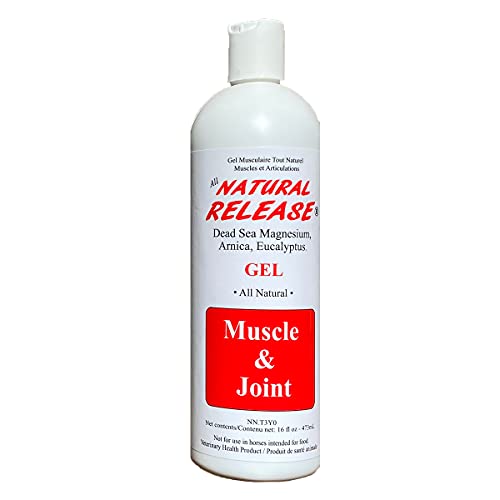
Four Oaks Farm Natural Release Muscle Gel
A topical horse liniment gel many owners use to soothe tired, sore muscles around stiff joints

Amouu Equine Recovery Pro Massage Gun
A percussion massager to ease muscle tension that builds up around painful, guarded joints
Start by Finding the Source
Pain management only works when you know what hurts. Chronic discomfort in a senior horse can come from many places, and the right treatment depends entirely on the cause. Common sources include:
- Arthritis (osteoarthritis): The most common cause, affecting the hocks, knees, fetlocks, coffin joints, and spine.
- Chronic laminitis: Often linked to PPID (Cushing's) or EMS, and a leading cause of ongoing foot pain.
- Dental disease: Worn, loose, or diseased teeth and conditions like EOTRH cause mouth pain and quidding.
- Gastric ulcers: A frequently overlooked source of low-grade discomfort, picky appetite, and irritability.
- Old injuries and navicular changes: Soft-tissue damage and foot pain that linger into old age.
- Back and sacroiliac pain: Often secondary to compensating for sore limbs or feet.
Because several of these can coexist in one horse, a thorough veterinary exam, including a lameness evaluation, dental check, and bloodwork to screen for PPID, is the essential first step. Treating the wrong thing wastes time and money and leaves your horse uncomfortable.
The Role of Veterinary Pain Medication
For many seniors, prescription pain relief is the foundation of comfort. Non-steroidal anti-inflammatory drugs (NSAIDs) like phenylbutazone (bute) and firocoxib (Equioxx) reduce inflammation and ease pain. Firocoxib is often favored for long-term daily use because it tends to be gentler on the stomach, while bute is powerful for flare-ups. Joint injections, such as corticosteroids or hyaluronic acid, can target specific arthritic joints, and newer options continue to emerge.
Every one of these decisions belongs with your vet. Long-term NSAID use carries genuine risks, including gastric ulcers and kidney strain, so vets aim for the lowest effective dose, may add gut protection, and monitor with periodic bloodwork. Never adjust doses on your own.
Supportive Layers: Supplements and Topicals
Around the medical core, several supportive tools can add comfort. Oral joint supplements containing glucosamine, chondroitin, MSM, and avocado-soybean unsaponifiables (ASU) are widely used to support cartilage and ease stiffness. They work gradually and the evidence varies by ingredient, so think of them as a helpful layer rather than a cure. Topical liniments and arnica gels can soothe the tired, guarding muscles that build up around a painful joint, and gentle massage helps release that tension. None of these replace veterinary care, but together they can meaningfully improve a horse's daily comfort.
Movement, Footing, and Turnout
It is tempting to rest a painful horse, but for most arthritic seniors, gentle consistent movement is medicine. Turnout and light regular exercise keep joints lubricated, preserve the muscle that supports them, and prevent the deep stiffness that sets in during long standing periods. Aim for low-impact, daily activity rather than hard or occasional work. Soft, level footing, good traction, and easy access to shelter, water, and feed all reduce the effort and risk of moving around. The exception is active laminitis, which requires rest and vet-directed support, so always tailor the plan to the diagnosis.
Weight Management Matters
Body condition has a direct effect on pain. An overweight horse loads already-sore joints and feet harder and faces a higher laminitis risk, so keeping a comfortable senior near a moderate body condition score, around 5 on the Henneke 1 to 9 scale, lightens the burden. An underweight, painful horse needs the opposite approach, building condition and topline with appropriate forage and feed to support the frame. Your vet can help you set a target and a feeding plan that fits your horse's metabolic status.
Everyday Comfort Care
- Warmth and shelter: Cold, damp weather stiffens arthritic joints, so a well-fitted blanket and dry shelter make a real difference.
- Soft bedding: Deep, supportive bedding helps a sore horse lie down and rise more comfortably.
- Easy access: Feed and water at a comfortable height, with short, level walks, reduce strain.
- Consistent farrier care: Proper trimming and balanced feet are central to managing foot and joint pain.
- Routine: A predictable, low-stress daily rhythm helps a horse that is coping with discomfort.
Tracking Quality of Life
Managing chronic pain is an ongoing process, not a one-time fix. Keep notes on good days and bad days, appetite, willingness to move, and how your horse copes through weather changes. This record helps you and your vet adjust the plan over time and, eventually, make honest decisions about quality of life. When pain can no longer be controlled enough for a horse to live comfortably, a frank conversation with your vet, planned ahead rather than in a crisis, is the kindest path.
This article is educational and does not replace advice from your equine veterinarian. Any horse showing signs of pain should be examined by a vet, who can diagnose the cause and build a safe, effective treatment plan.
Related Guides
- Equine Massage for Seniors - Releasing muscle tension around sore joints.
- Heat and Cold Therapy for Horses - Simple at-home comfort tools.
- Arthritis in Senior Horses - The full management picture.
Frequently Asked Questions
How do I know if my senior horse is in chronic pain?
Horses are stoic and hide discomfort, so look for subtle, persistent changes rather than obvious lameness. Watch for a reluctance to move, shifting weight, a tense or pinched expression known as the equine pain face, lying down more or less than usual, weight loss, irritability when groomed or saddled, and trouble getting up. A gradual decline in willingness to work or move is often the clearest sign. When in doubt, have your equine vet examine the horse.
What are the most common sources of chronic pain in older horses?
Arthritis in the joints and feet is the leading cause, followed by chronic laminitis, which is often linked to PPID or EMS. Dental disease, gastric ulcers, old soft-tissue injuries, navicular changes, and back or sacroiliac pain are also common. Several of these can occur together in one aging horse. Because the causes differ so much, a veterinary workup is essential before you build a pain-management plan, since the right approach depends entirely on what hurts and why.
Can I give my horse bute or other pain medication long term?
Phenylbutazone (bute), firocoxib (Equioxx), and similar NSAIDs are valuable tools, but long-term use carries real risks including gastric ulcers and kidney damage. Many vets reach for the lowest effective dose, use longer-acting or gut-friendlier options like firocoxib for daily management, and monitor with bloodwork. Never start, stop, or adjust pain medication on your own. Your vet will weigh the benefits against the risks for your individual horse and may add gut protection.
Do joint supplements actually help with chronic pain?
Oral joint supplements with ingredients like glucosamine, chondroitin, MSM, and ASU are widely used to support comfort and slow the progression of joint wear. Evidence varies by ingredient and product, and they work gradually rather than overnight, so they are best seen as one supportive layer rather than a replacement for veterinary pain control. Many owners combine a quality supplement with vet-directed medication, good farrier care, and weight management for the best results.
Does keeping my horse moving help or hurt chronic pain?
For most arthritic seniors, gentle consistent movement helps more than stall rest. Turnout and light, regular exercise keep joints lubricated, maintain muscle that supports those joints, and prevent the stiffness that builds during long periods of standing. The key is low-impact, consistent activity rather than hard or sporadic work. Always tailor the program to your horse and check with your vet, since some conditions such as active laminitis require rest instead.
How does body weight affect a horse in chronic pain?
Excess weight puts more load on already painful joints and feet and raises the risk of laminitis, so keeping a senior at a moderate body condition score, around 5 on the Henneke 1 to 9 scale, is one of the most powerful things you can do. For an underweight, painful horse the goal is the opposite, building topline and condition to support the frame. Either way, work with your vet to set a target and adjust feeding accordingly.
When is chronic pain bad enough to consider euthanasia?
This is one of the hardest parts of senior horse ownership. When pain can no longer be controlled to allow a reasonable quality of life, when the horse struggles to get up, stops eating, or has more bad days than good despite treatment, it may be time to talk openly with your vet. A quality-of-life assessment, done honestly and without guilt, helps you make a kind decision. Planning ahead with your vet means you are never deciding in a crisis alone.
Need more help with your senior horse?
Browse our guides by topic to find practical solutions.
Senior Horse Care Kit: $24