Keeping a Senior Horse Comfortable in Winter
Practical winter care for older horses: blanketing, feeding for warmth, water, shelter, and arthritis comfort to help your senior thrive through the cold months.
Winter is the season that tests a senior horse the most. The cold raises energy needs just as worn teeth, weight loss, a thinner coat, and stiff arthritic joints make it harder for an older horse to keep up. A horse who sailed through winters in his prime may now need more help: a blanket against the wet and wind, extra forage to fuel internal warmth, unfrozen water, and a little thought given to creaky joints on frosty mornings.
None of this needs to be complicated. With a sensible plan covering warmth, feeding, water, shelter, and comfort, most senior horses come through winter in good shape. This guide walks through each piece so you can keep your older horse cozy, well-fed, and content until spring.
Winter Comfort Essentials

Challenger Challenger Heavyweight Turnout Blanket
A 1200D waterproof, 300g heavy-fill blanket for cold, wet winter turnout
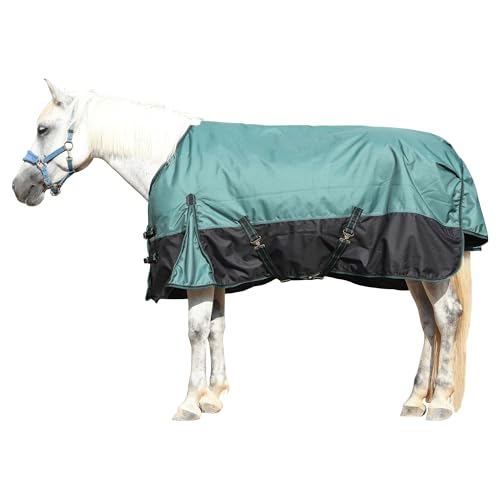
Gallopoff Gallopoff Medium-Weight Turnout Blanket
A 1200D ripstop, 200g blanket for milder cold and transitional weather

Tough 1 Tough1 Soft Fleece Cooler
A wicking fleece cooler to dry a damp or sweaty horse before a winter chill sets in

Country Pride Country Pride Ceramic Therapy Sheet
A far-infrared sheet for gentle warmth over stiff muscles on cold days
To Blanket or Not to Blanket
Healthy adult horses with a good coat, body condition, and shelter often handle cold remarkably well, but seniors frequently need extra help. Consider a well-fitted, waterproof turnout blanket if your older horse is underweight, body-clipped, struggles to maintain condition, has a thin or poorly shedding coat (common with PPID), or simply looks cold. A medium-weight blanket suits milder cold and transitional weather, while a heavyweight is for genuinely cold, wet, windy conditions. Make sure any blanket fits properly so it does not rub or slip, keep it dry inside, and check underneath regularly for weight loss hidden beneath the fabric.
Feeding for Warmth
One of the most important winter facts is that forage is your horse's internal furnace. Chewing and digesting hay generates body heat, so plentiful forage does more to keep a horse warm than almost anything else. During cold snaps, feed more hay, ideally free-choice or in frequent portions.
For seniors who can no longer chew long-stem hay well, provide forage in a chewable form: soaked hay pellets, soaked beet pulp, or a complete senior feed. These deliver fiber and calories without demanding a full set of grinding teeth. Watch body condition closely through the season, since weight can slip away under a blanket unnoticed, and adjust feed to hold a moderate condition score.
Water in Freezing Weather
Water is easy to overlook in winter, but it is critical. Horses drink less when water is very cold or iced over, and reduced drinking raises the risk of impaction colic, a real winter danger. Keep fresh, unfrozen water available at all times using a tank heater or heated bucket, and offer lukewarm water if you can, since many horses drink more of it. Adding water to feed through soaked hay pellets, beet pulp, or warm mashes boosts intake too. Check water sources several times a day during hard freezes, and consider a little extra salt to encourage drinking.
Shelter and Turnout
Most seniors still do best with turnout and access to shelter rather than being shut in. Movement keeps arthritic joints loose and supports digestion and overall health, while constant stabling can stiffen an older horse and worsen respiratory problems from dust. Provide a windbreak or run-in shelter where your horse can escape wind, rain, and snow, keep footing as dry and safe as possible, and add a blanket when conditions warrant. A frail or very arthritic horse may need more shelter on the harshest days, so tailor the balance to your individual horse and climate.
Comfort for Stiff Joints
Cold, damp weather stiffens arthritic joints, so winter is when comfort care matters most. Gentle daily movement helps loosen joints, and a warming session with a fleece cooler or ceramic sheet before light exercise can ease a horse into work. Keep up any veterinary-directed pain management and joint support through the cold months, provide deep, dry bedding so a sore horse can lie down and rise comfortably, and dry off any damp or sweaty horse with a wicking cooler before a chill sets in. Small kindnesses add up to a much more comfortable winter.
This article is educational and does not replace advice from your equine veterinarian. If your senior horse is losing weight, shivering, or struggling in cold weather, consult your vet to rule out underlying problems and build a winter care plan.
Related Guides
- Best Fleece Coolers for Horses - Drying off and warming up in the cold.
- Managing Chronic Pain in Senior Horses - Winter joint comfort.
- Heat and Cold Therapy for Horses - Targeted comfort tools.
Frequently Asked Questions
Do senior horses need to be blanketed in winter?
Many do, though not all. Older horses often struggle to maintain body heat because of dental issues that limit forage intake, weight loss, a thinner coat, reduced muscle, or conditions like PPID that affect coat shedding. A senior who is underweight, clipped, body-clipped, or visibly cold will usually benefit from a well-fitted, waterproof turnout blanket in cold, wet, or windy weather. A healthy, fuzzy, well-conditioned senior with shelter may not need one. Assess your individual horse with your vet's input.
How can I tell if my older horse is cold?
Shivering is the most obvious sign and means the horse is struggling to stay warm, so address it promptly. Other clues include a tucked, hunched posture, standing with the tail to the wind, seeking shelter, and cold ears. You can feel behind the ears or the base of the neck and chest for a sense of warmth, though this is rough. A horse that is dropping weight over winter is also losing the battle to keep warm. When in doubt, add a layer and monitor.
Why do senior horses lose weight in cold weather?
Cold weather raises a horse's energy needs because the body burns calories to stay warm, and forage digestion is itself a key internal heat source. An older horse with worn or missing teeth may not be able to chew enough hay to keep up, so weight slips away just when calories matter most. PPID, reduced appetite, and competition from herdmates can compound it. The fix is plenty of accessible forage or forage alternatives, appropriate feed, and often a blanket to reduce heat loss.
What is the best way to feed a senior horse in winter?
Forage is the priority, because chewing and digesting hay generates internal warmth, so offer free-choice or frequent hay. For horses that cannot chew long-stem hay well, soaked hay pellets, soaked beet pulp, or a complete senior feed provide forage and calories in a chewable form. Feed more during cold snaps, keep water from freezing since horses drink less when it is icy, and consider warm or lukewarm water and soaked feeds to encourage drinking and reduce impaction colic risk.
Should I keep my senior horse in the barn during winter?
Not necessarily. Most horses, including seniors, do well with turnout and access to shelter, since movement keeps arthritic joints loose and supports overall health, while constant stabling can stiffen them and increase respiratory issues from dust. What matters is access to a windbreak or run-in shelter, dry footing, a blanket if needed, and plenty of forage. A frail or very arthritic horse may need more shelter on the worst days. Tailor the balance to your horse and your climate.
How do I keep my horse drinking water in freezing weather?
Horses often drink less when water is very cold or iced over, which raises the risk of impaction colic, so this deserves real attention. Offer fresh, unfrozen water at all times using a tank heater or heated bucket where possible, and many horses drink more if the water is lukewarm. Adding water to feeds through soaked hay pellets, beet pulp, or mashes boosts intake. Some owners offer a little extra salt to encourage drinking. Check water sources several times daily in hard freezes.
Need more help with your senior horse?
Browse our guides by topic to find practical solutions.
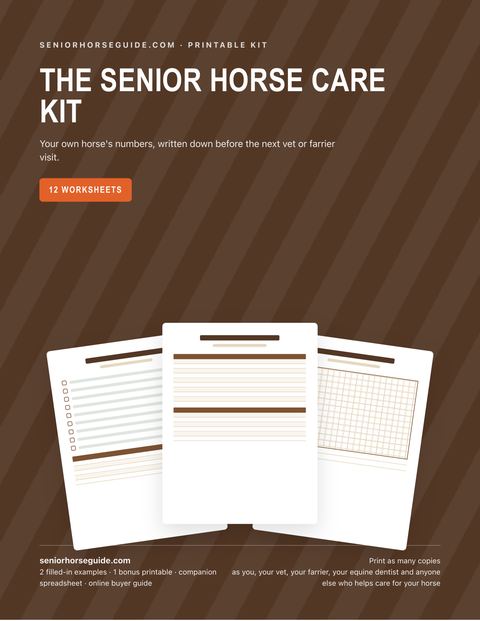
Senior Horse Care Kit: $24