Acupuncture for Senior Horses: A Practical Guide
Understand how equine acupuncture works, what conditions it may help in older horses, safety, and how it fits as a complementary therapy alongside veterinary care.
Acupuncture has moved from the fringes of horse care into many mainstream sport and pleasure barns, and it is increasingly used as a complementary therapy for older horses. The idea of fine needles placed at specific points can sound unusual, but for some seniors with chronic stiffness and back soreness, owners and veterinarians feel it offers a gentle, low-risk way to support comfort and well-being.
This guide takes a calm, honest look at equine acupuncture: what it is, how it is thought to work, what conditions it may help in an aging horse, and, most importantly, the central rule that it should always be performed by a qualified veterinarian and used alongside conventional care rather than in place of it. Acupuncture is a procedure, not a product, so the supportive items below are comfort aids you might use as part of a broader plan.
Supportive Comfort Care

BENEFAB BENEFAB Therapeutic Poll Pad
A far-infrared poll pad some owners use between sessions to ease poll and jaw tension
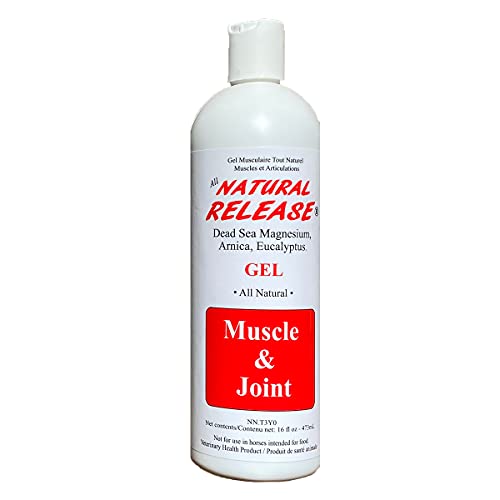
Four Oaks Farm Natural Release Muscle Gel
A topical horse liniment gel to soothe tired, sore muscles as part of a comfort routine

Nutramax Cosequin ASU Joint Health Supplement
A widely used joint supplement to support arthritic comfort alongside other therapies
What Acupuncture Is
Acupuncture is a practice with roots in traditional Chinese medicine. A trained practitioner places very fine needles at specific points on the body, sometimes adding stimulation through pressure, mild electrical current (electroacupuncture), or other techniques. In horses it is used mainly as a complementary therapy for musculoskeletal pain, back and neck soreness, and general comfort.
Proposed explanations for any effect focus on the nervous system: stimulating certain points may influence nerve signaling, circulation, and the release of the body's own pain-modulating substances. The scientific evidence is still developing and outcomes vary from horse to horse, so a measured, realistic outlook serves you better than either dismissing it outright or expecting miracles.
What It May Help in Senior Horses
Owners most often consider acupuncture for older horses dealing with:
- Chronic musculoskeletal pain and stiffness: Especially back, neck, and arthritis-related soreness.
- General comfort and relaxation: Many horses settle deeply during a session.
- Compensatory muscle tension: Tightness that builds as a horse protects sore joints or feet.
- Supportive care for some other issues: Such as poor appetite, used alongside conventional treatment.
It is important to be realistic: acupuncture does not cure structural problems such as advanced arthritis or repair damaged tissue. At its best it is a possible comfort and quality-of-life aid, and responses differ widely, so a fair trial under veterinary guidance is the sensible way to find out whether your horse benefits.
Who Should Perform It
This is the single most important point in this guide. Acupuncture on a horse should only be performed by a licensed veterinarian with additional certified training in veterinary acupuncture. There are several good reasons for this. A vet can diagnose the underlying problem first, decide whether acupuncture is actually appropriate, integrate it with the rest of your horse's care, and recognize when a different treatment is needed. A qualified veterinary acupuncturist also understands equine anatomy and the cautions involved. Avoid anyone offering acupuncture without proper veterinary credentials.
What a Session Looks Like
A typical session is calm and unhurried. The vet examines your horse, selects points based on the assessment, and places the fine needles, often leaving them in place for a period while the horse stands quietly. Many horses relax noticeably, lowering the head, softening the eye, even dozing. Electroacupuncture may add gentle stimulation for certain cases. Most veterinary acupuncturists begin with a short series of treatments to see how the horse responds, then adjust the schedule, with some horses receiving periodic maintenance and others treated only for specific flare-ups.
Where Acupuncture Fits
Acupuncture works best as one thread woven into a complete, vet-directed plan for a senior horse, alongside accurate diagnosis, appropriate pain medication, joint support, weight management, good farrier work, and sensible exercise. It should complement, never replace, the conventional care your horse needs, and you should never stop prescribed medication on your own in favor of it. Used thoughtfully and by the right hands, it can be a gentle addition to the comfort toolkit for an aging horse.
This article is educational and does not replace advice from your equine veterinarian. Always consult a qualified veterinary acupuncturist before pursuing this therapy for your horse.
Related Guides
- Managing Chronic Pain in Senior Horses - The full comfort plan.
- Equine Massage for Seniors - Hands-on muscle comfort.
- PEMF Therapy for Horses - Another complementary therapy.
Frequently Asked Questions
What is equine acupuncture and how does it work?
Acupuncture is a practice rooted in traditional Chinese medicine in which fine needles are placed at specific points on the body. In horses it is used as a complementary therapy, most often for musculoskeletal pain, back soreness, and general well-being. Proposed mechanisms include effects on the nervous system, circulation, and the release of the body's own pain-modulating chemicals. The evidence is still developing and results vary, so it is best viewed as a supportive therapy used alongside conventional veterinary care, not a replacement.
Is acupuncture safe for senior horses?
When performed by a qualified veterinarian trained in acupuncture, it is generally considered low-risk for older horses, which is part of its appeal for seniors who may not tolerate other treatments well. The needles are fine and most horses relax during a session. As with any therapy there are cautions, including avoiding certain points in pregnant mares and using care around infections or skin problems, so it should always be done by a licensed professional who knows your horse's full history.
Who should perform acupuncture on my horse?
Acupuncture on horses should be performed by a licensed veterinarian who has additional certified training in veterinary acupuncture, such as through a recognized program. This matters because a vet can diagnose the underlying problem, decide whether acupuncture is appropriate, and integrate it with the rest of your horse's care. Avoid unqualified practitioners. A properly trained veterinary acupuncturist understands equine anatomy, knows which conditions may respond, and recognizes when a different treatment is needed instead.
What conditions might acupuncture help in older horses?
Owners and veterinarians most commonly turn to acupuncture for chronic musculoskeletal pain, back and neck soreness, arthritis-related stiffness, and general comfort or relaxation in senior horses. Some also use it as supportive care for issues like poor appetite or anhidrosis. Responses vary widely from horse to horse, and acupuncture does not cure structural problems such as advanced arthritis. It is best framed as a possible comfort and quality-of-life aid within a broader, vet-directed management plan.
How many acupuncture sessions will my horse need?
There is no fixed number. Many veterinary acupuncturists start with a short series of sessions spaced a week or two apart to gauge how the horse responds, then adjust based on results. Some horses receive periodic maintenance treatments for ongoing comfort, while others are treated only for specific flare-ups. Your vet will recommend a schedule based on your horse's condition and response. If there is no benefit after a fair trial, it is reasonable to reconsider the approach.
Can I use acupuncture instead of pain medication?
Acupuncture should not be assumed to replace prescribed pain medication or other veterinary treatment. For some horses it may allow a vet to fine-tune a pain-management plan, but that decision belongs to your veterinarian, who can weigh the whole picture. Stopping necessary medication on your own could leave your horse in pain. Think of acupuncture as a complementary therapy that may add comfort, used in coordination with, not in place of, the conventional care your horse needs.
Need more help with your senior horse?
Browse our guides by topic to find practical solutions.
Senior Horse Care Kit: $24