Senior Thoroughbred Care: A Complete Guide
How to care for an aging Thoroughbred: managing hard-keeper weight loss, gastric ulcers, arthritis, and dental change, with feeding and turnout tips for the senior years.
Thoroughbreds are athletic, sensitive, and wonderfully people-oriented, and many of the horses in retirement homes today came off the racetrack decades ago. Caring for a senior Thoroughbred means working with a body type that runs lean and a history that often includes hard work and a touchy stomach. The good news is that with a forage-first diet, attention to the teeth, and steady turnout, most Thoroughbreds age into calm, affectionate seniors. This guide covers the conditions this breed tends to face and the daily care that keeps an older Thoroughbred comfortable.
Senior Thoroughbred Care Essentials
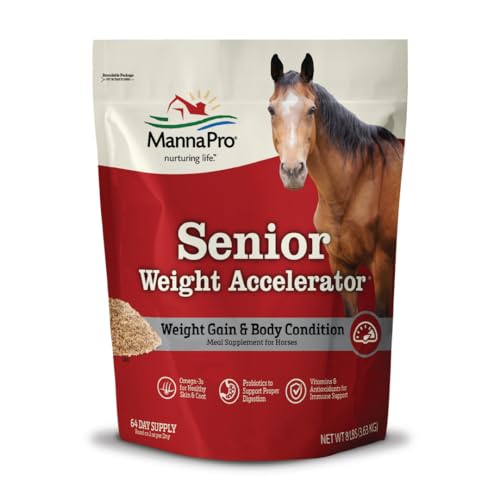
Manna Pro Weight Accelerator for Senior Horses
High-calorie topper to rebuild condition on a lean senior Thoroughbred.

MagnaGard Gastric Support Supplement
Daily gut support for a breed prone to ulcers and a sensitive stomach.

Triple Crown Senior High Fat High Fiber Feed
Calorie-dense senior feed that holds weight without a sugar spike.

Cosequin Cosequin ASU Joint Supplement
Glucosamine and chondroitin support for hard-worked aging joints.
Typical lifespan and what shapes it
A well-managed Thoroughbred commonly lives into the mid to late twenties, and plenty reach 28 to 30. Longevity in this breed has less to do with bloodlines than with how well you stay ahead of the predictable problems: dental wear, weight loss, ulcers, and old joint injuries. A senior Thoroughbred that keeps its teeth working, holds a healthy body condition, and moves freely every day tends to do well for a long time. The horses that decline early are usually those whose weight or soundness slips without anyone noticing soon enough.
The hard keeper challenge
Thoroughbreds are built to be lean, with a fast metabolism and a frame that shows weight loss quickly. In old age, that tendency combines with worn teeth and slightly less efficient digestion, and a horse that held condition easily at ten can become genuinely thin at twenty-two. The answer is not simply more grain. Build the diet on as much good forage as the horse can chew, then add calories from fat and fiber: a senior feed formulated high in fat and fiber, beet pulp, rice bran, or added oil. These supply energy without the sugar and starch load that can upset the gut or trigger metabolic trouble.
Weigh feed rather than guessing by the scoop, feed senior products at the full recommended rate, and make every change slowly over a week or two. Track progress with a Henneke body condition score and a weight tape every couple of weeks so you can adjust before the horse drops too far. If the teeth are worn, soak feeds and consider a hay replacer so the horse actually absorbs what you are providing.
Gastric ulcers and a sensitive gut
Gastric ulcers are common in Thoroughbreds and do not vanish at retirement. The racing life leaves many of these horses prone to a touchy stomach, and ongoing risk factors include stall confinement, gaps between meals, high-grain diets, and stress. A senior that is girthy, grinds its teeth, eats reluctantly, or loses weight for no clear reason deserves a veterinary ulcer evaluation. Day to day, the best prevention is forage in front of the horse as close to constantly as possible, smaller and more frequent meals, generous turnout, and a calm routine. Gastric support supplements can complement, but not replace, veterinary diagnosis and treatment when ulcers are confirmed.
Arthritis and old injuries
A horse that raced or worked hard carries that history into old age. Arthritis in the knees, fetlocks, and hocks is common in senior Thoroughbreds, and old soft-tissue injuries can stiffen as the years add up. The most protective things you can offer are daily turnout and gentle, consistent movement, which keep joints lubricated far better than stall rest. Good hoof balance from a regular farrier reduces strain on aging legs. A joint supplement with glucosamine and chondroitin supports many seniors, and your vet can add targeted treatment such as joint injections or anti-inflammatories if lameness persists.
| Concern | Why Thoroughbreds are prone | Senior care focus |
|---|---|---|
| Weight loss | Lean build, fast metabolism | Fat and fiber calories, dental checks |
| Gastric ulcers | Racing history, sensitive gut | Constant forage, turnout, vet workup |
| Arthritis | Old work and injuries | Turnout, farrier balance, joint support |
| Dental wear | Age, not breed specific | Yearly exams, soaked feeds if needed |
Dental care for the older Thoroughbred
Dental change is not unique to the breed, but it has an outsized effect on a horse that is already prone to weight loss. As cheek teeth wear down and points or gaps develop, chewing becomes less efficient and the horse extracts fewer calories from its forage. A yearly oral exam by your vet, with floating as needed, keeps the mouth comfortable. When teeth are too worn to manage long hay, switch to soaked hay cubes, a complete senior feed, and other easy-to-chew forage so the horse keeps the fiber and calories it needs.
Daily management and quality of life
Senior Thoroughbreds thrive on routine, turnout, and companionship. Plenty of forage and movement guard against both ulcers and stiffness. Because their lean coats offer little insulation, many older Thoroughbreds appreciate a turnout sheet or blanket in wind and cold and benefit from extra forage in winter, since fermenting hay generates warmth. Keep an eye on water intake, especially in cold weather, and provide salt or electrolytes to encourage drinking. Watch your horse for the small early signs of trouble, a little less weight, a touch more stiffness, slower eating, because catching them early is what keeps a retired Thoroughbred comfortable well into old age. Work with your equine vet and farrier to tailor a plan to your individual horse.
Frequently Asked Questions
How long do Thoroughbreds live?
Most Thoroughbreds live into their mid to late twenties, and many reach 28 to 30 with good care. A horse that came off the track sound and was managed well through middle age often ages gracefully. Lifespan depends far more on teeth, weight, and soundness than on breeding, so consistent dental care, parasite control, and a diet that holds condition matter most for a long, comfortable retirement.
Why are senior Thoroughbreds often hard keepers?
Thoroughbreds tend toward a lean, high-metabolism body type, and many carry a history of gastric ulcers and stress from their racing years. As teeth wear and digestion becomes less efficient with age, that naturally lean frame can tip into being underweight. The fix is usually more calories from fat and fiber rather than sugar and starch, plus a careful look at the teeth, since a senior cannot hold weight on feed it cannot chew.
Do older Thoroughbreds still get ulcers?
Yes. Gastric ulcers are common across the breed and do not disappear with retirement. Stress, stall confinement, limited forage, and high-grain meals all raise risk. A senior Thoroughbred that is girthy, picky about feed, or dropping weight without an obvious cause should be evaluated for ulcers by your vet. Free-choice forage, smaller frequent meals, and turnout reduce risk, and gastric support supplements can help alongside veterinary treatment.
What should I feed a thin senior Thoroughbred?
Build the diet on forage first, then add a senior feed designed for high fat and high fiber, fed at the full recommended rate. Beet pulp, rice bran, and added oil supply safe calories without a sugar spike. Soak feeds if the teeth are worn. Always make changes slowly over a week or two, weigh feed rather than guessing by scoop, and track condition with a body score and a weight tape every couple of weeks.
Are Thoroughbreds prone to joint problems as they age?
Many are, especially horses that raced or worked hard, since old joint injuries and general wear catch up in the senior years. Arthritis in the knees, fetlocks, and hocks is common. Daily turnout, consistent light movement, hoof balance from a good farrier, and a joint supplement with glucosamine and chondroitin all help. If you see persistent stiffness, heat, or lameness, your vet can tailor treatment that may include injections or anti-inflammatories.
Can an off-the-track Thoroughbred be a good senior companion?
Absolutely. Many retired Thoroughbreds settle into wonderful, people-oriented seniors and companions once the pressure of competition is gone. They often stay forward-thinking and curious well into old age. The key is matching their workload to their soundness, keeping ulcers and weight in check, and giving them plenty of turnout and forage. With thoughtful management, a senior Thoroughbred can be a calm, affectionate partner for years.
Need more help with your senior horse?
Browse our guides by topic to find practical solutions.
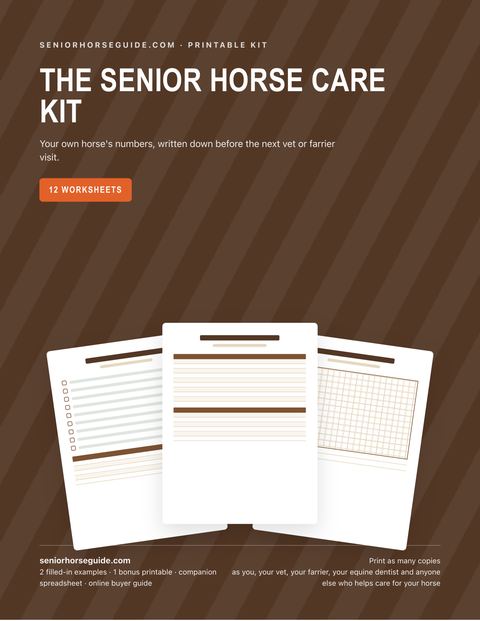
Senior Horse Care Kit: $24