Senior Arabian Horse Care: A Complete Guide
Caring for an aging Arabian: managing PPID, EMS, and laminitis risk in an easy-keeper breed, with low-sugar feeding, weight control, and dental and joint care for the senior years.
Arabians are hardy, intelligent, and famously long-lived, with many staying active and useful well into their twenties and beyond. That longevity is a gift, but it also means a long senior phase to manage thoughtfully. The single biggest theme in aging Arabian care is metabolism: this efficient, easy-keeper breed is prone to equine metabolic syndrome, insulin dysregulation, and, with age, PPID, all of which raise the risk of laminitis. Get the diet and weight right, stay ahead of metabolic disease, and your Arabian can enjoy a comfortable, decades-long retirement. This guide walks through the priorities.
Senior Arabian Care Essentials
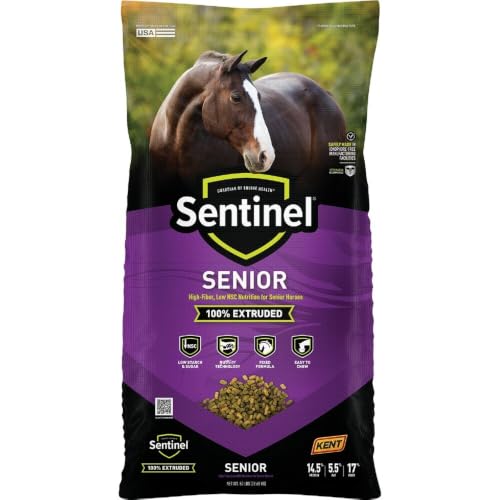
Kent / Blue Seal Low Sugar Low Starch Senior Feed
Metabolic-friendly feed for an easy-keeper Arabian prone to EMS and PPID.


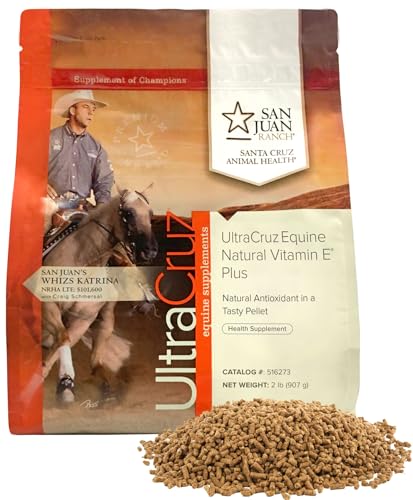
UltraCruz Natural Vitamin E Supplement
Antioxidant and muscle support for older horses, helpful with PPID muscle loss.
Typical lifespan and the long senior phase
Arabians routinely live 25 to 30 years, and many reach their mid thirties. Their desert heritage gave them an efficient metabolism and generally sound feet and legs, which serve them well in old age. Because they often stay sound and willing far longer than many breeds, plan for an extended senior chapter and resist the temptation to let an easy keeper carry extra weight. The conditions most likely to shorten a healthy Arabian's life are metabolic disease and the laminitis it can cause, both of which are largely manageable with attentive care.
The metabolic picture: EMS, insulin, and PPID
The same efficiency that makes Arabians easy keepers predisposes many of them to insulin dysregulation and equine metabolic syndrome. These horses gain weight readily, store fat in characteristic pads along the crest and tailhead, and respond to sugar and starch with insulin spikes that can damage the feet. Layered on top of this in the senior years is PPID, commonly called Cushing's disease, a disorder of the pituitary gland that becomes more common with age across all breeds. The two often coexist, and together they significantly raise laminitis risk.
Learn the early PPID signs: a coat that sheds late or grows long and curly, increased drinking and urination, topline muscle loss, fat redistribution, lethargy, and unexplained laminitis. If you see them, ask your vet about an ACTH blood test. PPID is well controlled with a daily medication called pergolide, paired with a low-sugar diet and diligent hoof care. Catching it early protects the feet before laminitis ever happens.
Feeding the easy keeper
Most senior Arabians do not need grain. Build the diet on low-sugar, low-starch forage, ideally hay tested below roughly 10 percent NSC, and use a slow-feed net so the horse can nibble through the day without consuming too many calories. A ration balancer fills the vitamin, mineral, and protein gaps that forage alone leaves, without adding the calories of a fortified grain. Skip sugary treats and lush pasture, and reach for a grazing muzzle when turnout grass is rich in spring and fall. The goal is a moderate body condition score, lean enough to protect the feet but never thin.
| Concern | Why Arabians are prone | Senior care focus |
|---|---|---|
| EMS / insulin dysregulation | Efficient easy-keeper metabolism | Low-sugar diet, lean weight, exercise |
| PPID (Cushing's) | Age-related, common in seniors | ACTH testing, pergolide, hoof care |
| Laminitis | Insulin spikes, PPID, easy weight gain | Limit grass, muzzle, monitor feet |
| Dental wear | Age, not breed specific | Yearly exams, soaked feeds if needed |
Protecting the feet from laminitis
Because endocrine laminitis is the chief threat to a senior Arabian, prevention deserves real attention. Keep the horse lean, feed low-sugar forage, restrict spring and fall grass, and manage any underlying EMS or PPID with your vet. Maintain a regular farrier schedule, since balanced feet handle metabolic stress better. Learn the warning signs cold: heat in the hooves, a strong bounding digital pulse, reluctance to move, and a shifting, rocked-back stance. These are an emergency. Call your vet at once, because early intervention dramatically improves the outcome.
Dental care, joints, and daily life
Like all seniors, older Arabians need yearly oral exams, with floating as needed, because worn or uneven teeth reduce chewing efficiency and can quietly cause weight loss. When the teeth can no longer manage long hay, soaked hay cubes and a complete senior feed keep fiber and calories coming. Arthritis is less of a burden for many Arabians thanks to their light build and good feet, but daily turnout, regular farrier care, and a glucosamine and chondroitin joint supplement help keep an active senior comfortable. Most Arabians enjoy light, regular work into their twenties, which also benefits their metabolism. Partner with your equine vet and farrier to fine-tune a plan for your individual horse, and you can look forward to many good years together.
Senior Horse Care Planner
Track your senior horse's vital signs, feed and body condition, farrier and dental schedule, medications, and quality of life, all in one printable planner.
Pet Insurance · Sponsored
Have a Dog or Cat at Home Too? Protect Them From Surprise Vet Bills
Most horse owners share their home with a dog or cat as well, and one emergency visit can run into the hundreds or thousands. Pet insurance can help cover surprise vet bills so a sudden cost does not force a hard choice. Get a free quote and see what coverage fits your household.
Frequently Asked Questions
How long do Arabian horses live?
Arabians are among the longest-lived breeds, commonly reaching 25 to 30 and frequently passing into their mid thirties with good care. Their hardy desert heritage and efficient metabolism contribute to that longevity. Because they often stay active and useful into their twenties, owners should plan for a long senior phase and watch closely for metabolic and dental change, which are the issues most likely to limit a healthy Arabian's later years.
Why are Arabians prone to PPID and EMS?
Arabians and Arabian crosses are an efficient, easy-keeper type, which predisposes many of them to insulin dysregulation and equine metabolic syndrome. With age, PPID, also called Cushing's disease, becomes common as well, since it is a disease of older horses across all breeds. The combination of an easy-keeper metabolism and advancing age raises laminitis risk, so monitoring weight, diet, and the classic PPID signs matters throughout the senior years.
What are the early signs of PPID in a senior Arabian?
Watch for a coat that sheds late or unevenly, a long or curly coat, increased drinking and urination, regional fat pads, muscle loss along the topline, lethargy, and bouts of laminitis. Some horses show only subtle changes at first. If you notice these signs, your vet can run a blood test, usually measuring ACTH, to diagnose PPID. It is well managed with a daily medication called pergolide alongside a low-sugar diet and good hoof care.
How should I feed an easy-keeper senior Arabian?
Base the diet on low-sugar, low-starch forage, ideally tested hay under about 10 percent NSC, fed in a slow-feed net to stretch eating without overfeeding. Most easy keepers do not need grain. A ration balancer supplies vitamins, minerals, and protein without excess calories. Avoid lush pasture and sugary treats, use a grazing muzzle when turnout is rich, and keep the horse at a moderate body condition score to protect against laminitis.
Are Arabians at higher risk of laminitis?
Many are, because their easy-keeper metabolism and tendency toward insulin dysregulation are the leading drivers of endocrine laminitis. Add age-related PPID and the risk climbs further. Prevention is far easier than treatment: keep the horse lean, feed low-sugar forage, limit access to spring and fall grass, and address PPID or EMS with your vet. Any heat in the feet, a bounding digital pulse, or a shortened, careful stride is an emergency that needs the vet immediately.
Do Arabians need joint support as they age?
Like any senior, an older Arabian can develop arthritis, though their light build and sound feet often serve them well into old age. Horses that competed in endurance or other disciplines may show more wear. Daily turnout, regular farrier care, and a joint supplement with glucosamine and chondroitin help keep aging joints comfortable. Because Arabians frequently stay active into their late twenties, supporting their joints helps them keep doing the light work they enjoy.
Can a senior Arabian still be ridden?
Many can, and light, regular exercise is good for an aging Arabian's metabolism, weight, and joints. Movement helps manage insulin resistance and keeps the horse fit and engaged. Match the workload to the horse's soundness and condition, keep sessions consistent rather than occasional and intense, and let your vet guide you if the horse has PPID, EMS, or arthritis. Plenty of Arabians enjoy trail rides and light work well into their twenties.
Need more help with your senior horse?
Browse our guides by topic to find practical solutions.
Wellness Planner: $39