Senior Appaloosa Care: A Complete Guide
Caring for an aging Appaloosa: protecting against equine recurrent uveitis and night blindness, plus weight, dental, hoof, and joint care for these spotted senior horses.
Appaloosas are striking, versatile, and generally hardy horses, but their later years carry one distinctive priority that sets them apart from other breeds: eye health. The breed is strongly predisposed to equine recurrent uveitis, the leading cause of blindness in horses, and some Appaloosas also carry congenital night blindness. Caring well for an aging Appaloosa means watching the eyes vigilantly and protecting them, while attending to the same weight, dental, hoof, and joint fundamentals every senior horse needs. This guide focuses on what makes Appaloosa aging unique and how to keep your spotted senior comfortable.
Senior Appaloosa Care Essentials
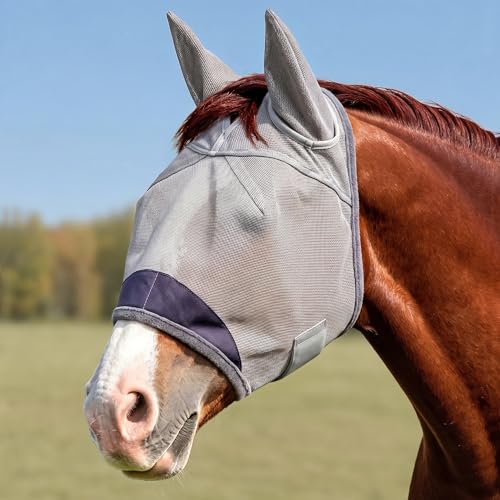
Animal-Gifts UV Protection Fly Mask with Ears
Shades sensitive eyes and blocks flies and debris that can trigger uveitis flares.
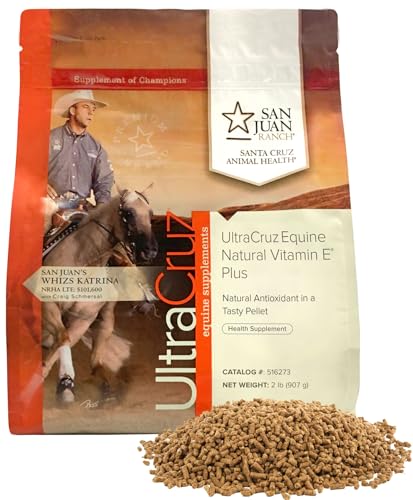
UltraCruz Natural Vitamin E Supplement
Antioxidant support for eye and muscle health in an aging horse.

Kent / Blue Seal Low Sugar Low Starch Senior Feed
Metabolic-friendly feed for an Appaloosa with easy-keeper tendencies.

Cosequin Cosequin ASU Joint Supplement
Glucosamine and chondroitin support for aging joints.
Typical lifespan and the central role of eye health
Appaloosas commonly live 25 to 30 years with good care, and many are sound, useful seniors. What most shapes the quality of those later years is vision, because the breed's predisposition to eye disease means an Appaloosa's comfort and safety depend heavily on how well its eyes are monitored and protected. A horse whose eyes are checked regularly and shielded from irritants, and whose weight, teeth, and feet are well managed, can age very comfortably. The eyes are the thread that runs through senior Appaloosa care.
Equine recurrent uveitis: the breed's signature risk
Appaloosas have a far higher risk of equine recurrent uveitis, or ERU, also known as moon blindness, than most breeds, an inherited predisposition tied to their coloration genetics. ERU is a recurring inflammation inside the eye, and each painful flare-up causes a little more damage. Over time, repeated episodes can lead to cataracts, glaucoma, and blindness, and ERU is in fact the leading cause of equine blindness, disproportionately affecting this breed. There is no cure, so the goals are to treat every flare promptly to limit damage and to reduce triggers through ongoing management. Working closely with your vet on a long-term eye plan is one of the most important things you can do for an Appaloosa.
Recognizing and protecting against flares
Because early treatment limits the harm each uveitis episode causes, learn the warning signs cold: a squinting or partly closed eye, excessive tearing, light sensitivity, a cloudy or bluish cornea, a constricted pupil, redness, and swelling. The horse may rub its face or act withdrawn. Treat any of these as a veterinary urgency. To reduce flares, a UV-blocking fly mask is invaluable, shading the eyes from sunlight and shielding them from flies, dust, and debris that can provoke inflammation. Provide shade in turnout, manage flies diligently, and keep irritants out of the environment. These simple, consistent protections meaningfully ease the burden of this disease.
| Concern | Why Appaloosas are prone | Senior care focus |
|---|---|---|
| Equine recurrent uveitis | Inherited breed predisposition | UV mask, treat flares fast, vet eye plan |
| Night blindness | Leopard complex gene in some | Consistent, safe, predictable environment |
| Vision loss / blindness | Repeated uveitis damage | Stable routine, careful handling |
| Easy-keeper metabolism | Varies by individual | Low-sugar diet, monitor weight and feet |
Night blindness and managing reduced vision
Some Appaloosas, especially those with strong leopard-complex spotting, are born with congenital stationary night blindness, a non-progressive condition that impairs sight in low light. It does not worsen with age, but a senior Appaloosa that has night blindness and is also coping with uveitis-related vision loss needs a safe, consistent world. Keep fencing visible, avoid rearranging the paddock or stall, introduce changes slowly, and always move calmly and announce yourself around a horse with limited vision. A predictable environment lets a partially sighted or blind horse continue to live confidently and comfortably.
Whole-horse senior care
Beyond the eyes, an aging Appaloosa needs the same foundation as any senior: yearly dental exams with floating as needed, regular farrier care, and joint support as arthritis develops, helped by daily turnout and a glucosamine and chondroitin supplement. Some Appaloosas lean toward an easy-keeper metabolism, so monitor weight and laminitis risk and feed low-sugar forage, adding antioxidant support such as vitamin E for both eye and muscle health. Soaked feeds help once teeth wear out. The eyes simply add a crucial extra layer to these fundamentals. With vigilant eye protection and solid whole-horse care, guided by your equine vet and farrier, a senior Appaloosa can enjoy many good years.
Frequently Asked Questions
How long do Appaloosas live?
Appaloosas commonly live 25 to 30 years with good care. They are generally a hardy, versatile breed, but their later years are shaped strongly by eye health, since the breed is predisposed to equine recurrent uveitis. An Appaloosa whose eyes are monitored and protected, and whose weight, teeth, and feet are well managed, often ages comfortably. The eyes are the feature that most distinguishes senior Appaloosa care from that of other breeds.
Why are Appaloosas prone to equine recurrent uveitis?
Appaloosas have a markedly higher risk of equine recurrent uveitis, or ERU, also called moon blindness, than most breeds, an inherited predisposition linked to their coloration genetics. ERU is a recurring inflammation inside the eye that, over repeated flare-ups, can lead to cataracts, glaucoma, and blindness. It is the leading cause of blindness in horses and is especially common in Appaloosas. Early veterinary treatment of each flare and ongoing management are essential to preserve vision for as long as possible.
What are the signs of a uveitis flare I should watch for?
Watch for a squinting or partly closed eye, excessive tearing, sensitivity to light, a cloudy or bluish cornea, a constricted pupil, redness, and swelling around the eye. The horse may rub its face or seem withdrawn. A uveitis flare is painful and is a veterinary urgency, since prompt anti-inflammatory treatment limits the damage each episode causes. Because Appaloosas are so prone, learn these signs well and call your vet quickly whenever an eye looks or behaves abnormally.
How can I protect a senior Appaloosa's eyes?
A UV-blocking fly mask is one of the most practical protections, shading the eyes from sunlight and shielding them from flies, dust, and debris that can trigger inflammation. Provide shade in turnout, manage flies well, and keep the environment free of irritants. Have your vet examine the eyes regularly and treat any flare immediately. For a horse already losing vision, keep its surroundings consistent and predictable. Diligent eye protection is the cornerstone of senior Appaloosa care.
Do Appaloosas have night vision problems?
Some Appaloosas, particularly those with certain spotted coat patterns linked to the leopard complex gene, are born with congenital stationary night blindness, a non-progressive condition that impairs vision in low light. It does not worsen with age, but a senior Appaloosa with night blindness, perhaps also coping with uveitis-related vision loss, needs a safe, consistent environment, especially at dusk and night. Keep fencing visible, avoid rearranging the paddock, and move calmly and predictably around a horse with limited vision.
Besides their eyes, what else do senior Appaloosas need?
Appaloosas need the same core senior care as any breed: yearly dental exams with floating, regular farrier visits, weight and metabolic monitoring, and joint support as arthritis develops. Some Appaloosas tend toward easy-keeper metabolism, so watch weight and laminitis risk and feed low-sugar forage. The eyes simply add an extra, important layer of care on top of these fundamentals. A whole-horse approach, with special attention to vision, keeps a senior Appaloosa comfortable.
Need more help with your senior horse?
Browse our guides by topic to find practical solutions.
Senior Horse Care Kit: $24